
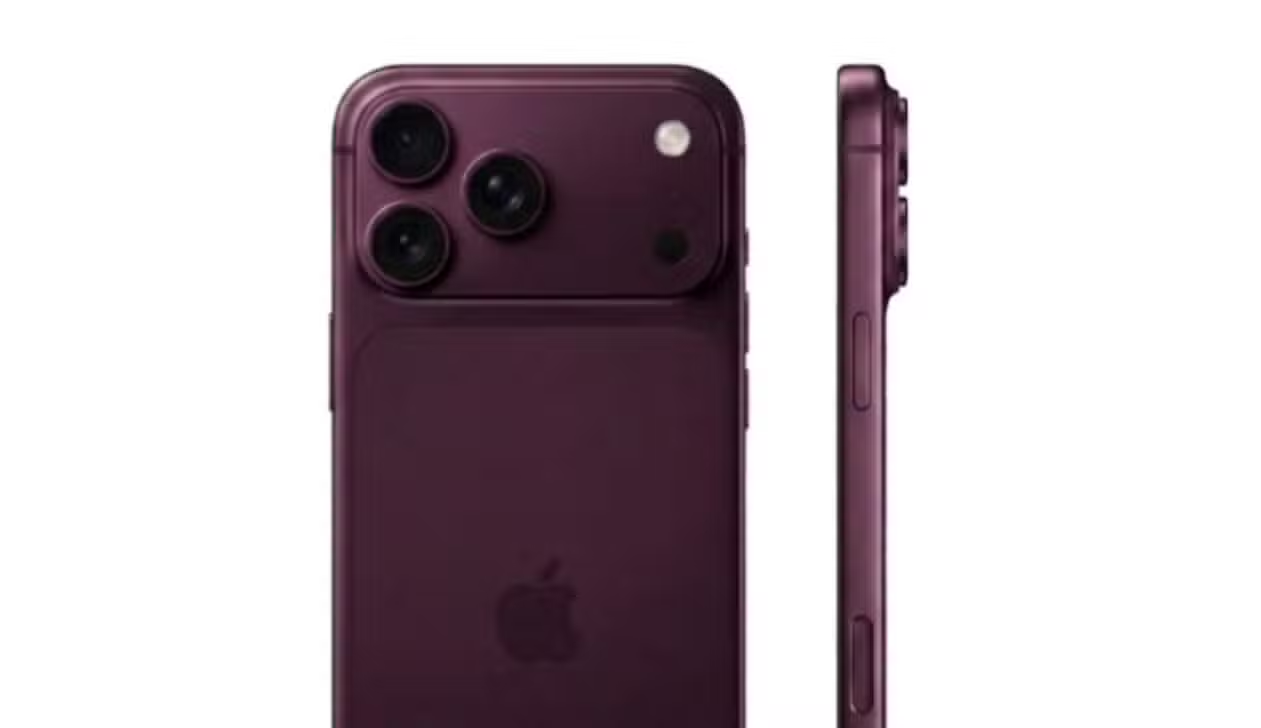
The Cupertino giant plans to shake up the mobile device market in the second half of 2026 with the launch of two devices aimed at completely different niches. While the iPhone 18 Pro focuses on extreme photography refinement and intelligent power management, the long-awaited iPhone Ultra represents the brand’s late but ambitious entry into the flexible screen segment, featuring a 7.8-inch internal panel. Historically, the company prefers to observe competitors’ mistakes before adopting a new format, which makes the decision between the safety of the traditional model and the innovation of the foldable device a matter of personal priority for the consumer.
Under the hood, the two smartphones will share the 2-nanometer architecture of the A20 chip, produced by Taiwanese giant TSMC. This microscopic lithography represents a monumental leap for the industry, guaranteeing up to 15% faster processing and battery savings of around 30% when compared to its direct predecessor, the A19. However, the manufacturer must create a performance segmentation: the A20 Pro version, equipped with superior graphics cores and an advanced neural engine, will be restricted to conventional luxury models. The A20 processor in its base version will power the flexible design, a strategy that industry experts point to as a way to control heating in a more complex chassis.

The photographic gulf that separates Apple’s new cutting-edge smartphones
The rear optical assembly will be the main factor in the technical distance between the two new products. The iPhone 18 Pro will sport a triple capture module, while the flexible variant will be limited to a dual system. The great advantage of the conventional edition lies in the introduction of a variable aperture in the 48 MP main lens, a physical mechanism inherited from professional DSLR cameras that debuts in the apple ecosystem. In practice, the lens diaphragm will mechanically close in strong sunlight to prevent overexposure and open as much as possible in dark environments, delivering authentic optical background blur that eliminates the need for software tricks.
Another undeniable advantage of the traditional line is the maintenance of the high-capacity telephoto lens, which inherits the 48 MP sensor with 8x optical zoom introduced on the iPhone 17 Pro. The engineering behind a smartphone that folds in half prevents the inclusion of this complex part in the Ultra model, as the periscope mechanism requires a physical depth that does not exist in this type of housing. Internal supply chain documents even suggest the development of a gigantic primary sensor, jumping from 1/1.28 inches to 1/1.12 inches, but this specific improvement is expected to remain for update cycles beyond September 2026.
The absence of the third camera on the expandable screen device perfectly illustrates the compromises necessary to fold a glass in half. Although the duo of 48 MP sensors guarantees very high quality recordings for the average user, the loss of the dedicated optical zoom keeps the device away from enthusiastic photographers and content creators who depend on focal versatility on a daily basis.
- Edition 18 Pro: Triple capture system, adaptive mechanical diaphragm and exclusive zoom lens.
- Ultra Edition: Dual set of lenses, no dedicated optical zoom and full focus on chassis portability.
- Practical advantage: Absolute superiority of the traditional model in night photography and long distance captures.
Power challenges and true usability away from the socket
When it comes to staying away from the charger, the iPhone 18 Pro Max appears like a real battle tank, housing an energy component that varies between 5,100 and 5,200 mAh. This massive capacity will work together with the new generation of LTPO+ displays, a technology capable of dropping the refresh rate to minimum levels and saving load when reading texts or viewing static images. Reports from Asian suppliers confirm these numbers, although the smaller Pro version still has no leaks that guarantee a leap in autonomy beyond that already provided by 2 nanometer lithography.
The scenario changes drastically when we analyze flexible design. Lighting a 7.8-inch internal panel requires a colossal amount of energy, much higher than the demand of the 6.9-inch screen present in the Max version. The big villain in this equation is the central hinge itself, which adds considerable weight to the product and steals precious space that could be filled by lithium-ion cells. Even with the device reaching 11mm thick when closed, engineers have struggled to accommodate a generous battery, and to date, no official data on actual amperage has leaked from the factories. Therefore, any consumption parallel must be drawn between the Ultra and Pro Max, and not with the base version.
Consumers who suffer from low battery syndrome and need equipment that supports intense work hours and GPS navigation will find Pro Max the only option based on concrete data on technical evolution.
The price of pioneering and the physical obstacles of the foldable form factor
Acquiring the first generation of any disruptive technology involves accepting the role of luxury tester, and Apple’s flexible smartphone will be no different. Fundamental questions such as the resistance of the central mechanism after thousands of openings, the dreaded crease mark in the middle of the display, the adaptation of applications to format transitions and the device’s survival from accidental drops will only be answered when the product hits the streets. The manufacturer devotes billions of dollars to research to avoid the structural flaws that haunt competing Android devices, but the heavy financial investment doesn’t always translate into immediate perfection in the real world.
The project’s physical barriers have already forced painful cuts to established features. The Ultra’s chassis does not hold the magnets required for the MagSafe system, eliminating the use of attachable wallets and magnetic desktop chargers. Furthermore, its 11mm thickness when folded makes it considerably more robust in the pocket. On the other hand, the iPhone 18 Pro follows the safe evolution guide, growing an imperceptible 0.36 mm in height and 0.39 mm in width compared to the iPhone 17 Pro. In the traditional model, the magnetic accessories work perfectly, the iOS operating system runs in its native environment and the photographic module does not hide any unpleasant surprises.
Which device best suits your usage profile and budget
The purchasing decision depends directly on identifying your main technological need. Image enthusiasts should rush to the iPhone 18 Pro, as the physical control of light input to the main camera represents the biggest advance in the brand’s photographic hardware in recent years, added to the exclusive power of the telephoto lens. Users obsessed with energy longevity have the iPhone 18 Pro Max as their definitive safe haven, supported by leaked specifications of 5,100 to 5,200 mAh, LTPO+ panel and highly efficient electronic brain.
Those who feel seduced by the magic of transforming a cell phone into a small tablet need to evaluate the cost-benefit of this adventure. Unless the 7.8-inch usable area is absolutely vital for reading spreadsheets, editing videos or consuming media in your everyday life, skipping the first generation and waiting for the Ultra line to mature seems like the most sensible course of action. The absence of magnetic charging, the lowering of the cameras and doubts about the useful life of the screen weigh against the novelty. Ultimately, the Pro line delivers absolute certainty, while the flexible format requires a vote of blind trust in the company’s engineering.