New animation Toy Story 5 explores the digital dilemma and becomes the most disturbing film of the year for parents

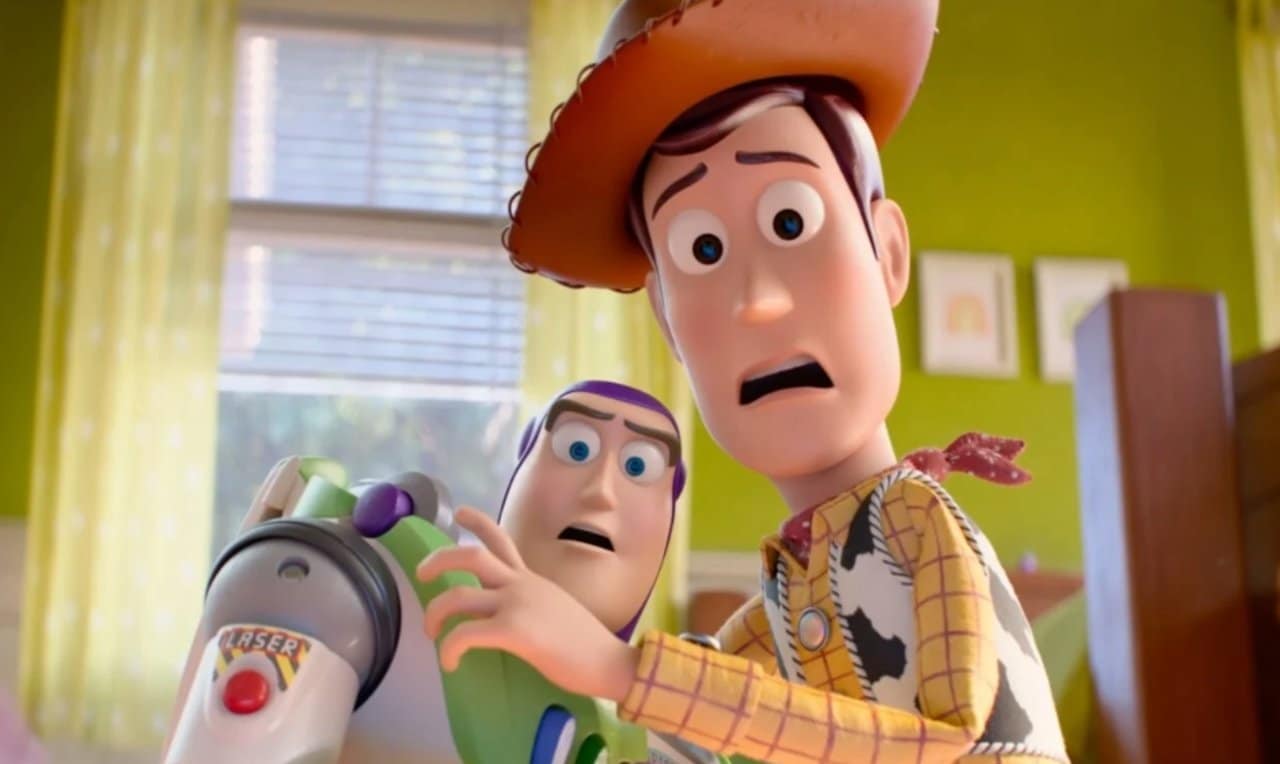
The launch of Pixar’s new production, “Toy Story 5”, suggests an unusual age rating: not suitable for a parental audience.
For those who live with school-aged children, the film’s narrative can generate countless points of identification and anguish, to the point of surpassing Taylor Swift’s sad melody that fills the final credits, if advance warning is not given.
The most recent sequel to the “Toy Story” series focuses on the character Bonnie, voiced in English by Scarlett Spears. At approximately eight years old, the girl loves interacting with well-known figures such as Jessie, played by Joan Cusack, and Buzz Lightyear, voiced by Tim Allen, as well as other dolls. However, Bonnie shows great shyness and difficulty forming social bonds with other children.
Faced with this situation, her parents, even with reservations, chose to purchase a tablet, called Lilypad and voiced by Greta Lee. The expectation is that the device will provide their daughter with access to digital games, allowing her to interact with classmates in the dance class.
The arrival of electronic devices causes apprehension among toys, who fear being considered outdated by the rise of digital technology.
The emerging scenario raises the level of stress for Bonnie’s parents, who find themselves in a dilemma: they are concerned about the child’s vulnerability to possible virtual dangers, but they also want to prevent her from suffering social isolation.
The plot proves to be remarkably relevant in the current context, coinciding with the recent announcement by British Prime Minister, Keir Starmer, who on June 15 established a ban on social media platforms for young people under the age of 16 in the United Kingdom, effective from January 2027. This movement reflects a growing concern globally about the impact of screen time and online exposure on mental health and child development, an intense debate that is gaining momentum among educators and health experts in several countries.
With this measure, the United Kingdom aligns itself with Australia, which became a pioneer in turning the restriction into legislation the previous year.
The creation of animated films by Pixar tends to require a long period of writing and production, which generally prevents their works from reflecting themes that are so immediately contemporary.
For parents, the experience of watching the script can generate a feeling of deep identification, almost like a personal attack, given the proximity to the dilemmas portrayed.
So, forget productions like “Obsessão” and “Backrooms: Um Não Lugar”; “Toy Story 5” emerges as the most terrifying film of the year, especially for adults who have children.
The recurrence of family dilemmas in Pixar productions
This approach doesn’t represent a drastic change for the studio. After all, Pixar often explores the challenges inherent in childhood and the complexity of being an adult responsible for a child.
From a father’s apprehension on his son’s first day of school in “Finding Nemo” (2003) to a girl’s confusion when faced with moving cities in “Inside Out” (2015), many of Pixar’s most acclaimed productions seem designed to evoke feelings of guilt and insufficiency in parents.
This characteristic gives the studio the unique ability to emotionally impact the viewer in a profound way, a feat rarely achieved by its competitors.
The notable distinction in “Toy Story 5” lies in the fact that the central protagonists are ordinary human beings.
Historically, most Pixar works use fantastical figures as metaphors for parents facing difficulties, exemplified by the emotions in “Inside Out” and the toys in the earlier installments of “Toy Story.” Other times, the emotional intensity is mitigated by the portrayal of parents as fish, in “Finding Nemo”, or superheroes, as in “The Incredibles” (2004).
In the “Toy Story” franchise in particular, children often occupy secondary roles and live their routines carefree, while the toys face existential dilemmas as they feel forgotten.
In fact, a good part of this dynamic is still present in “Toy Story 5”, suggesting that perhaps it is time for Jessie to abandon the regrets and move on with her journey.
However, this production stands out for being the only one from Pixar to devote such prolonged attention to ordinary human children, who experience profound loneliness, while their parents desperately search for ways to offer support.
A pivotal moment comes early in the plot, when Bonnie questions her parents: “Why doesn’t anyone want to be my friend?”
Maybe you need to look for a calmer film to recover from this scene, like, for example, “Extermination: The Temple of Bones”.
The thought-provoking and controversial nature of the new Toy Story
This does not imply that “Toy Story 5” is considered the best chapter in the saga.
In contrast to the original trilogy, released between 1995 and 2010, the most recent film does not deliver the same vibrant humor or dizzying action scenes, in addition to featuring an excessive cast of characters and an intricate plot.
There is, for example, a long sequence involving approximately fifty identical Buzz Lightyears on a cross-country trip, which could have been omitted without detriment to the narrative. It is possible that this inclusion of lighter elements, and less connected to the main plot, was a strategy to alleviate the emotional burden of Bonnie’s anguish, which could be excessively heavy for viewers, especially adults.
The end result is a failure, albeit intriguing. “Toy Story 5” is among Pixar’s most disjointed productions, failing to position an explicit condemnation of social networks and digital devices.
Given the vast array of Disney apps and video games available, the writers may have treaded carefully to avoid an overly critical tone. However, by so directly exposing the pains and insecurities of youth, the film establishes itself as possibly the most provocative work ever created by the studio.
Perhaps it’s time for Pixar to transcend childish themes, like dolls and action figures, and produce animation focused solely on the human experience.
Brazilian audiences can now check out “Toy Story 5” in movie theaters.