
Parastoo Ahmadi, Iranian artist is sentenced to 74 lashes after singing live without hijab and defying local law

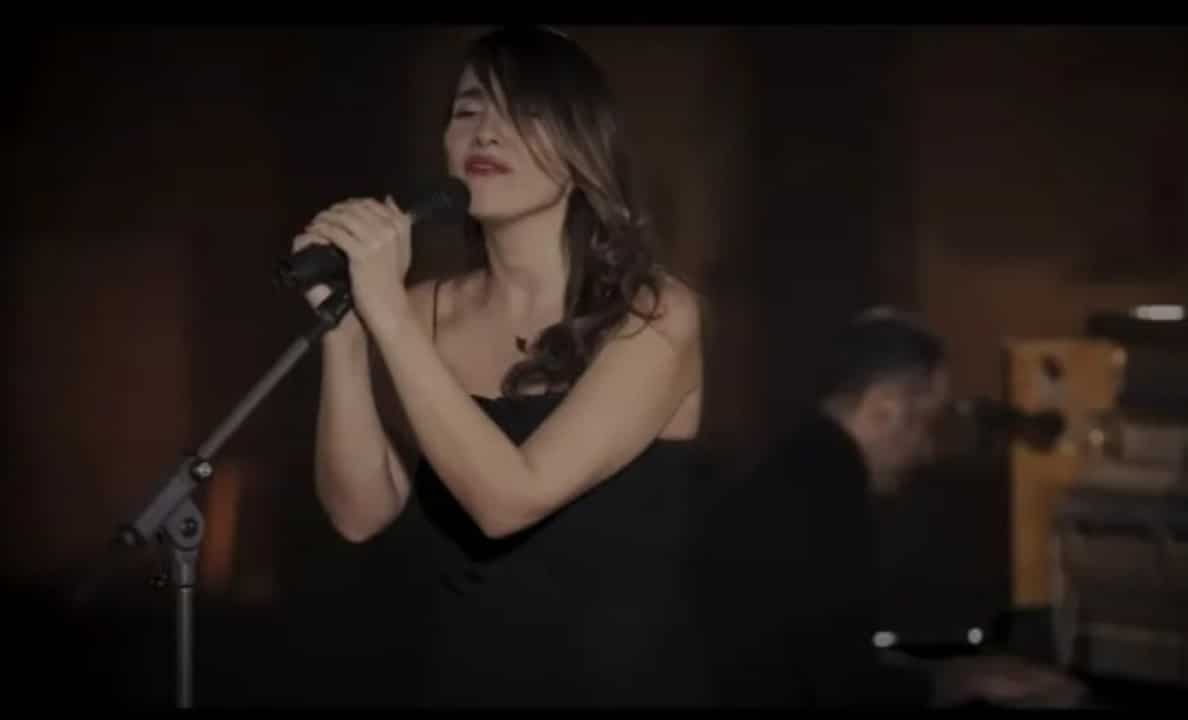
A severe sentence was handed down against 29-year-old Iranian singer Parastoo Ahmadi, who will receive 74 lashes for performing publicly without a hijab. The incident occurred during a live broadcast, highlighting the strictness of laws in the country.
Parastoo Ahmadi’s artistic activism and the laws of Iran
Parastoo Ahmadi is recognized as an independent singer, filmmaker and composer in Iran, becoming a figure of cultural resistance. With a degree in film directing from Soureh International University in Tehran, she also specializes in traditional Iranian musical genres, encompassing regional classical and folk styles.
During her controversial performance, the artist wore a strapless dress, without the hijab, a veil that covers hair and neck, and which is a legal requirement for women in public spaces in Iran. This piece of clothing is not just a religious symbol, but a pillar of public morality imposed by the regime, and its non-observance is treated as a direct challenge to state authority and the conservative Islamic values that govern Iranian society.
Ahmadi’s notoriety grew exponentially in 2022, at the height of the protests titled “Woman, Life, Freedom”. These movements were triggered after the death of Mahsa Amini, a 22-year-old girl of Kurdish origin.
Mahsa Amini had been detained for allegedly not wearing the hijab properly. His death, which occurred in hospital just three days after his arrest and after falling into a coma, generated commotion. An investigation conducted by the United Nations (UN) held Iran responsible for the physical violence that led to the young woman’s death.
Recordings of Parastoo Ahmadi performing the song “Az Khoone Javanane Vatan” (which means “From the Blood of the Youth of the Fatherland”) went viral on the internet after Amini’s case. The song was adopted as an anthem by the protesters, and the artist’s work began to be interpreted in the context of performances that gained relevance during periods of political instability in the country.
The court decision of 74 lashes and the future of the team
In addition to Ahmadi herself, eight other individuals on her production team face the possibility of receiving the same punishment, according to reports. The video in question was broadcast in 2024, through the artist’s channel on the YouTube platform.
Court documents also reveal that those involved were prevented from carrying out any artistic activity for a period of two years. Additionally, the Qom court imposed a ban on artists leaving the country, accusing them of violating public morals by producing and disseminating “vulgar content” online.
On the occasion of the live broadcast, Parastoo Ahmadi sang “Az Khoone Javanane Vatan” without the hijab. After the performance, she and other musicians were initially detained for their conduct. Only after his release from prison did authorities begin formal proceedings regarding the publication of the video.
Bahar Ghandehari, advocacy director at the Center for Human Rights in Iran, expressed strong criticism of the punishment. She emphasized that the conviction “serves as a further reminder that the human rights situation in Iran remains unchanged despite the Iranian authorities’ wartime propaganda campaign that sought to improve its international image.”





