
Steam Machine test leak shows performance twice as high as the Steam Deck

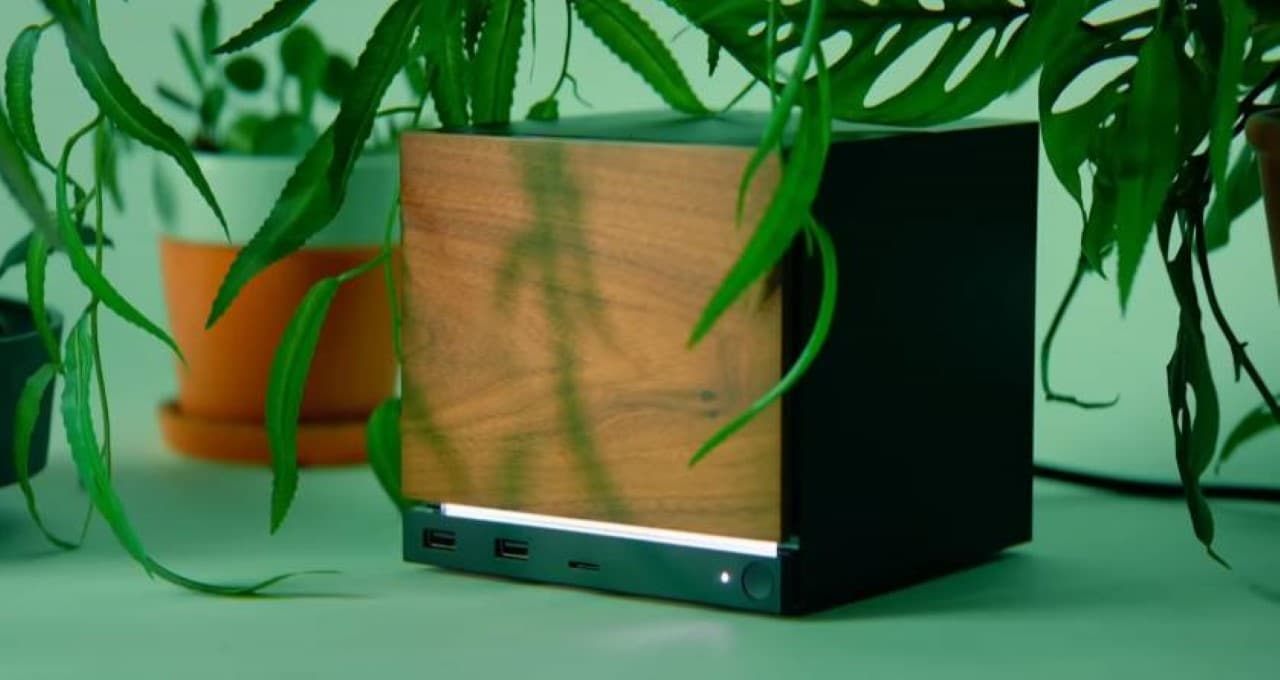
The CPU performance of the highly anticipated new version of the Steam Machine has been exposed again in recent tests as its launch approaches. The new device, now running SteamOS, has practically twice the power of the Steam Deck, approaching the capacity of some older, but still relevant, desktop processors.
This new Steam Machine device is equipped with a custom AMD processor that integrates 6 cores and 12 threads, all based on the modern Zen 4 architecture, and operates with a low power consumption of just 30 W TDP. Its specifications also include an AMD RDNA 3 graphics processing unit with 28 CUs, 16 GB of DDR5 RAM, 8 GB of GDDR6 VRAM, and offers 512 GB or 2 TB NVMe SSD storage options. In comparison, the original Steam Deck uses a chip based on the Zen 2 architecture, with a variable TDP between 4-15W, highlighting the generational leap and focus on energy efficiency of Valve’s new model.
Identified on Geekbench 6 as Valve Fremont, a codename that previous leaks had already confirmed, the device had already been seen in benchmark tests before its official presentation, but, interestingly, running Windows. The most recent records, however, show the use of SteamOS, without indicating significant changes in performance.

In tests, the system recorded 2,334 points in single-core and 7,392 points in multi-core, which practically doubles the Steam Deck’s CPU capacity, which reaches 1,050 and 4,200 points, respectively. In single-core performance, the new machine would even surpass the PlayStation 5, whose CPU is similar to the Ryzen 5 3600, with an average of 1,613 points.
Compared to conventional computer processors, the chip developed by Valve demonstrates remarkable energy efficiency. Although slightly inferior in multi-core performance compared to the Ryzen 5 5600X, which records approximately 8,649 points, the mini PC surpasses its desktop “brother” in the single-core test, which reaches 2,108 points.
Energy consumption is a crucial differentiator here. While AMD’s desktop processors require 65 W or more to operate, the solution integrated into the Steam Machine delivers very similar performance with a consumption of just 30 W, which is attributed to the difference in architecture, as the 5600X uses Zen 3 cores.
Recent results indicate that evaluations of the product may be ongoing, strengthening speculation about a possible launch as early as next week, on June 23rd.
Another relevant point of these published data is that its appearance suggests testing for future analyses, which validates the rumors of a launch next week, June 23rd. The big unknown remains the price, with expectations that are not very encouraging and could exceed US$1,000, equivalent to approximately R$5,095.





