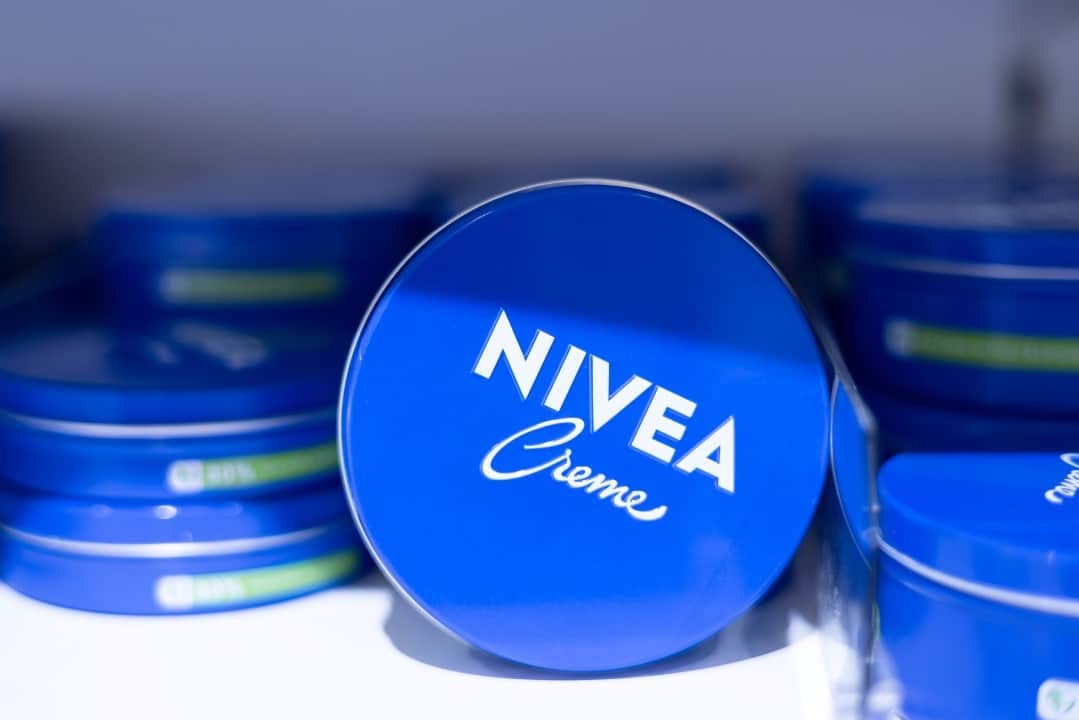
An iconic item in the world of beauty products, Nivea cream in the traditional blue can is part of the daily lives of millions globally. However, in addition to its recognized hydration capacity, this product has been popularized as a balm for relieving sunburn.
With a versatile history, the cream has been applied in a variety of situations, from moisturizing dry skin, hands and feet to caring for irritated areas and, more recently, as an after-sun and even as a type of sunscreen. Despite its widespread use, the product now faces questions from dermatology experts.
Expert opinions on the application of the product
Pharmacist Vicente Calduch, in statements made to the Spanish portal Okdiario, analyzed the use of Nivea cream and emphasized that it should not be used as a targeted treatment for skin injuries caused by the sun.
The origin of this mistaken perception is not random, according to the expert. The renowned blue cream formula provides intense hydration and, consequently, an immediate sensation of comfort and relief when applied to the skin, which mistakenly leads many users to believe that they are “repairing” the damage caused by sun exposure. However, this is not its curative function.
Calduch clarifies that the cream’s formulation was designed to preserve skin hydration, and not to cure sun damage. He states that “the composition of Nivea cream integrates a set of emollient, moisturizing and occlusive components that help maintain skin moisture after sun exposure.”
In other words, the product works to prevent excessive dryness of the skin after contact with the sun. The presence of ingredients such as glycerin contributes to the skin’s ability to retain water, while other oily elements form a protective barrier that prevents moisture evaporation. This combination justifies the perception of smoother and more pleasant skin after use.
The main issue arises when consumers extrapolate this function, assuming that the cream also has healing properties for burns. However, the pharmacist warns that Nivea’s formula does not contain specific active ingredients for treating burn injuries or reversing damage caused by ultraviolet radiation.
Reasons to avoid using cream on sunburn
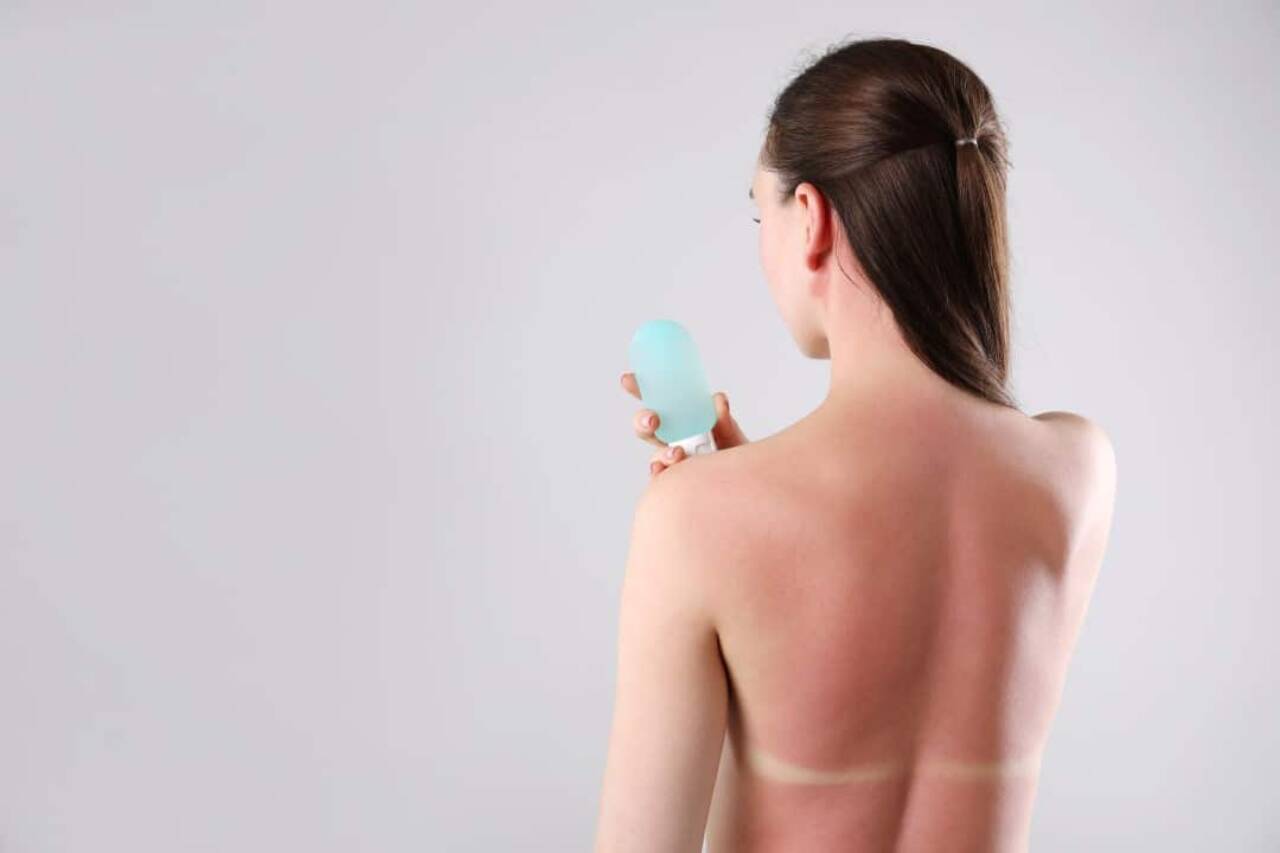
When the dermis is affected by sunburn, the condition is more serious than mere dryness. Inflammation, reddish coloration and, in certain situations, intense pain or peeling are observed, which are manifestations of the body in the face of excessive radiation.
In such circumstances, the focus of care needs to go beyond simply hydrating the skin, also seeking to alleviate irritation and restore the dermis’ protective barrier. To achieve this, there is a range of products developed for this purpose, such as after-sun lotions and specific creams that incorporate calming or regenerating components.
It is precisely at this point that the iconic Nivea cream in the blue can demonstrates its limitation: although it can mitigate the feeling of tight skin, it does not address the root cause of the problem. Additionally, the product is not only ineffective in treating burns, but also does not offer protection against the sun’s rays. Consequently, its application before exposure to the sun does not prevent burns from appearing.
Essential recommendations for the skin after sun exposure
Protecting your skin during sun exposure requires the use of specific sunscreens, not mere moisturizers. Vicente Calduch details that “the creams suitable for contact with the sun are those that include solar filters capable of absorbing, reflecting or dispersing ultraviolet radiation”.
Such formulations are developed with the exclusive purpose of safeguarding the skin against the consequences of solar irradiation, defending it from UVA and UVB rays and, thus, reducing the likelihood of developing burns.
However, having a sunscreen does not guarantee complete protection; It is essential to know the correct way to apply it. The ideal procedure involves application before any sun exposure, with periodic reapplications throughout the day, especially after water activities or intense sweating.
Additionally, the product must be used daily, including on overcast days, as solar radiation persists and can cause damage even without direct sunlight.
In conclusion, the traditional Nivea cream in the blue can remains a valuable choice for daily skin care, standing out as an excellent moisturizer. However, like any cosmetic, it has its usage restrictions.
Although it can help maintain skin hydration after contact with the sun, it should not be used as a sunscreen or as a treatment for burns. Understanding this distinction is crucial to ensuring an effective skin care routine that prevents long-term damage, such as premature aging and the risk of more serious skin conditions.