
Falcons become allies of producers against pigeons and caturritas in crops


Trained falcons emerge as a strategic solution for agricultural producers to combat avian pests, which result in significant financial losses. The methodology uses birds of prey to disperse pigeons, cockroaches and other harmful species of crops such as corn and sunflower.
Called biological control by falconry, this approach relies on instinctive predation behavior to drive unwanted birds away from crops. The mere presence of falcons is enough for flocks to withdraw from cultivation areas, minimizing losses without resorting to pesticides or invasive tactics.
The adoption of this strategy gains strength in the face of the increase in losses caused by pigeons and cockatiels in rural areas of Argentina. In certain locations, farmers reported damage that compromised 40% of the harvest, especially in sunflower and corn crops, directly impacting economic viability and local food security, making the search for effective solutions even more urgent.
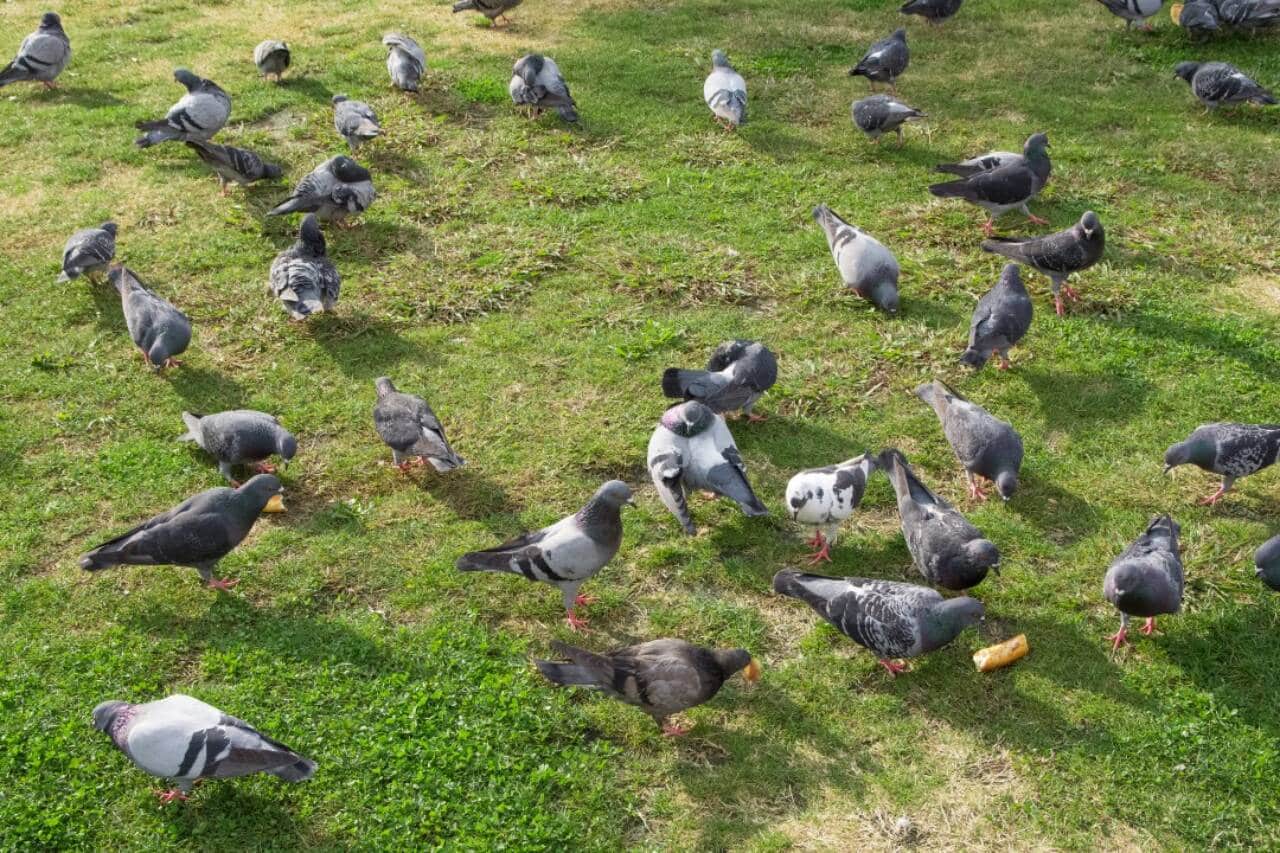
Experts emphasize falconry as an environmentally friendly option, capable of restoring the ecological balance without generating significant adverse effects on the environment. In addition to protecting crops in the field, the technique is applicable in spaces such as silos, warehouses and other rural facilities frequently affected by these birds.
This methodology is expanding in a context of heightened concern about the proliferation of pigeons and cockatiels in several Argentine provinces. Agribusiness representatives and producers have asked authorities to implement measures that expand management and containment tools for these species, associated with increasing crop losses.
It is expected that solutions that use natural predators will gain greater acceptance in the coming years, intensifying pest control in an effective and environmentally responsible manner.





