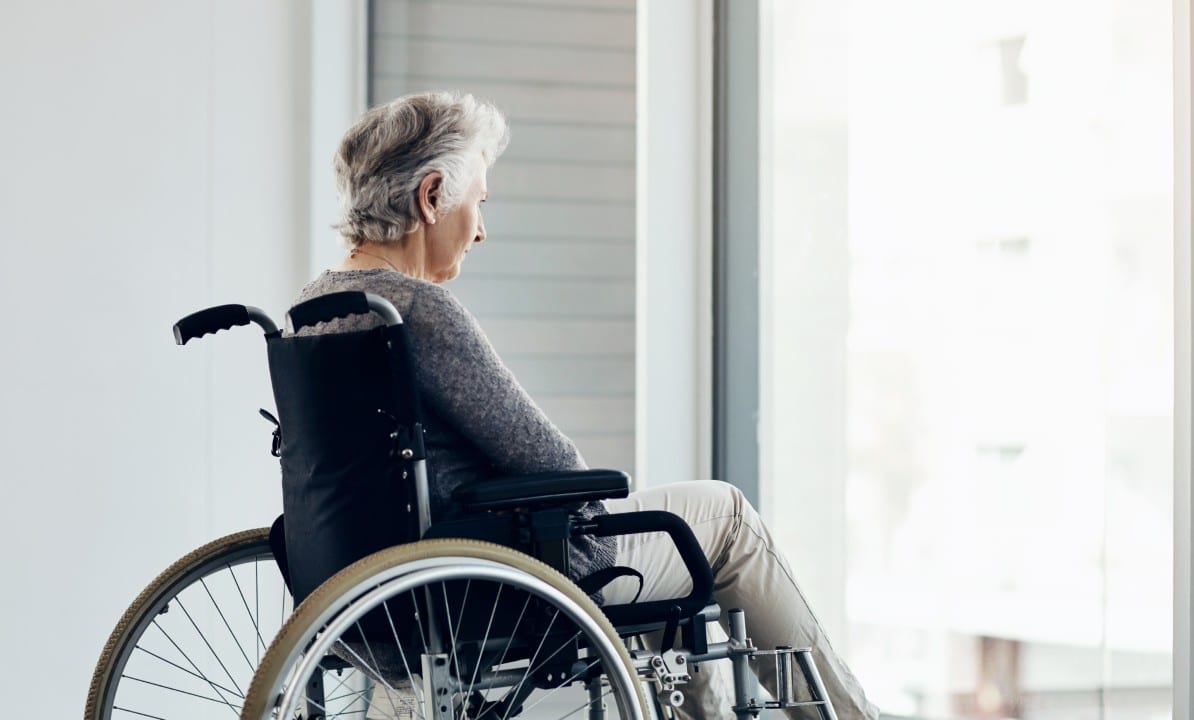
Changes such as gray hair, the appearance of wrinkles or a reduction in hearing acuity and height are often associated with an aging fate that would be the same for everyone. However, scientific research shows that reality is much more complex.
Despite being a universal biological phenomenon, the aging process does not progress at the same pace for everyone. Factors such as genetic makeup, daily habits, availability of medical care and the occurrence of chronic diseases play a significant role in an individual’s way of aging. The good news is that many of the impacts often linked to age can be delayed or mitigated through decisions made throughout life.
This disparity was highlighted by a survey by Duke University, published in 2015 in the journal PNAS. Scientists have found that people with the same number of years can show very different rates of biological decline, strongly influenced by their general state of health.
In some extreme situations, study participants aged up to three years biologically for every twelve months they lived, reaching an age that was 20 years older than their chronological age. Additionally, they exhibited lower cognitive performance, greater balance challenges, and an increased risk of developing dementia.
Understand how aging manifests itself unevenly
The passage of time triggers transformations in practically all systems of the human body, but the intensity and type of these changes vary considerably between individuals.
On the surface of the skin, for example, some spots may lighten or disappear, while lesions such as sun spots, seborrheic warts and small red dots tend to become more frequent. It is essential, however, that all skin changes are evaluated by a medical professional, as not all changes are part of normal aging.
The same pattern of variation is observed for vision and hearing. Although a certain degree of visual decline is expected with advancing age, numerous problems can be treated effectively if detected at an early stage. Conditions such as cataracts and glaucoma are known examples of this reality. More serious diseases, such as macular degeneration, diabetic retinopathy and retinal detachment, can severely compromise visual capacity.
Hearing capacity also tends to decrease over the years, but the speed of this loss is quite heterogeneous between people. Those who could benefit from technologies such as hearing implants are not always able to access these resources.
Habits and prevention that can stop the aging process
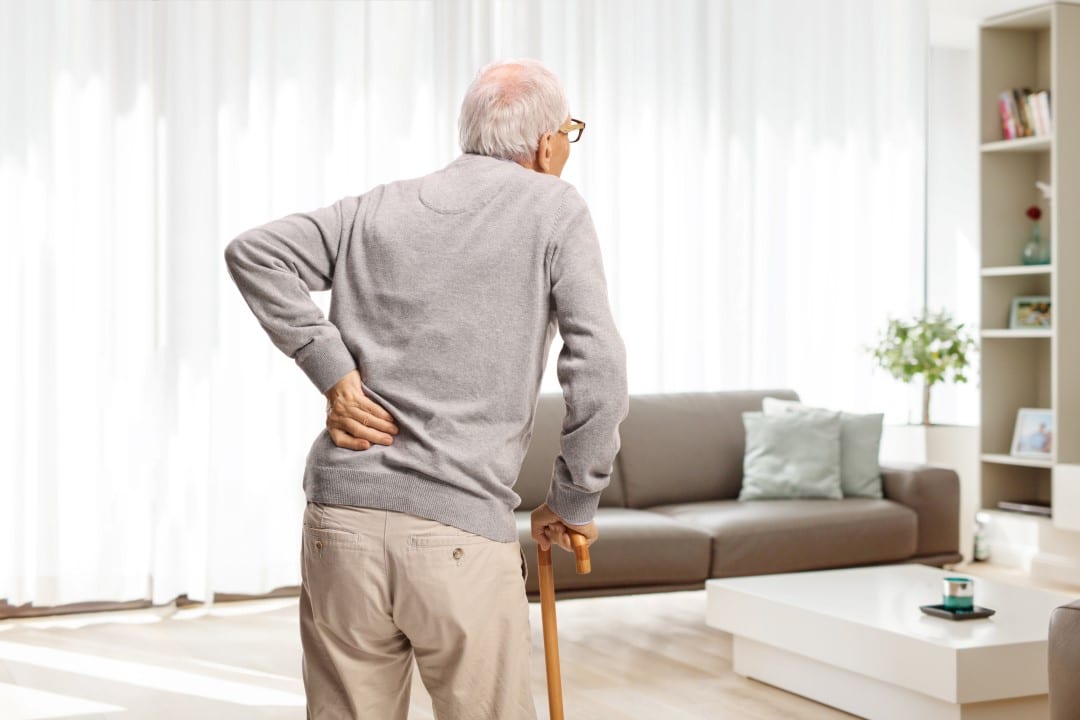
The traditional image of an elderly person with a hunched posture is not an inevitable consequence of time. The absence of exercises to strengthen the muscles, especially the abdomen and back, reduces the ability to support the trunk and contributes to the emergence of postural changes.
Osteoporosis also plays a crucial role in this scenario. With the weakening of the bones, the vertebrae can suffer deformations and small sags, which directly contributes to the development of a hunched posture.
In the joints, genetic predisposition combines with habits accumulated throughout life. Excess weight, repetitive mechanical overload and constant movements can accelerate wear and deformities, especially in the hands and feet. This manifests itself in certain forms of osteoarthritis and the development of bunions, the risk of which is greater in genetically susceptible individuals who have worn pointy-toed shoes and high heels for decades.
Oral health follows a similar logic. Aging, in itself, does not imply the loss of teeth. In most cases, the absence of teeth is linked to a history of untreated oral problems throughout life. Maintaining complete teeth also contributes to better digestion, as the body produces less hydrochloric acid in the stomach and digestive enzymes as we age, and teeth are essential for the grinding and efficient absorption of nutrients.
Almost universal transformations that the body experiences with age
However, some transformations are practically unpostponable and affect the majority of people. Wrinkles, decreased skin elasticity, thinning hair and the appearance of gray hairs are examples of changes that manifest themselves to a greater or lesser extent.
External factors, such as excessive sun exposure, smoking, environmental pollution, sleep deprivation and insufficient hydration, can accelerate these natural processes, making them more evident.
Another peculiarity that generates curiosity is the perception that the nose and ears seem to continue to grow over the years. In fact, these structures have already reached their maximum development in adolescence. What happens is a combination of collagen loss, tissue flaccidity and the constant action of gravity, which makes them appear larger as we age.
The skeletal system also undergoes progressive changes. The reduction in bone mass and dehydration of intervertebral discs contribute to many people losing a few centimeters in height over the decades. After the age of 40 or 50, a decrease of around one centimeter per decade is considered a variation within the normal range.
Regarding the senses, the statistical data are overwhelming. Cataracts affect virtually all individuals who reach the age of 90, while approximately 70% experience some level of hearing loss in this same age group.
Still, reaching old age does not necessarily mean accumulating impediments and limitations. Regular physical exercise, a balanced diet, ensuring restful sleep, maintaining an active social life, controlling chronic diseases and continuous medical monitoring are the most efficient strategies for living old age with greater independence and well-being.