
Developer Valve allows enthusiasts to build Steam Machines with the SteamOS 3.8 operating system

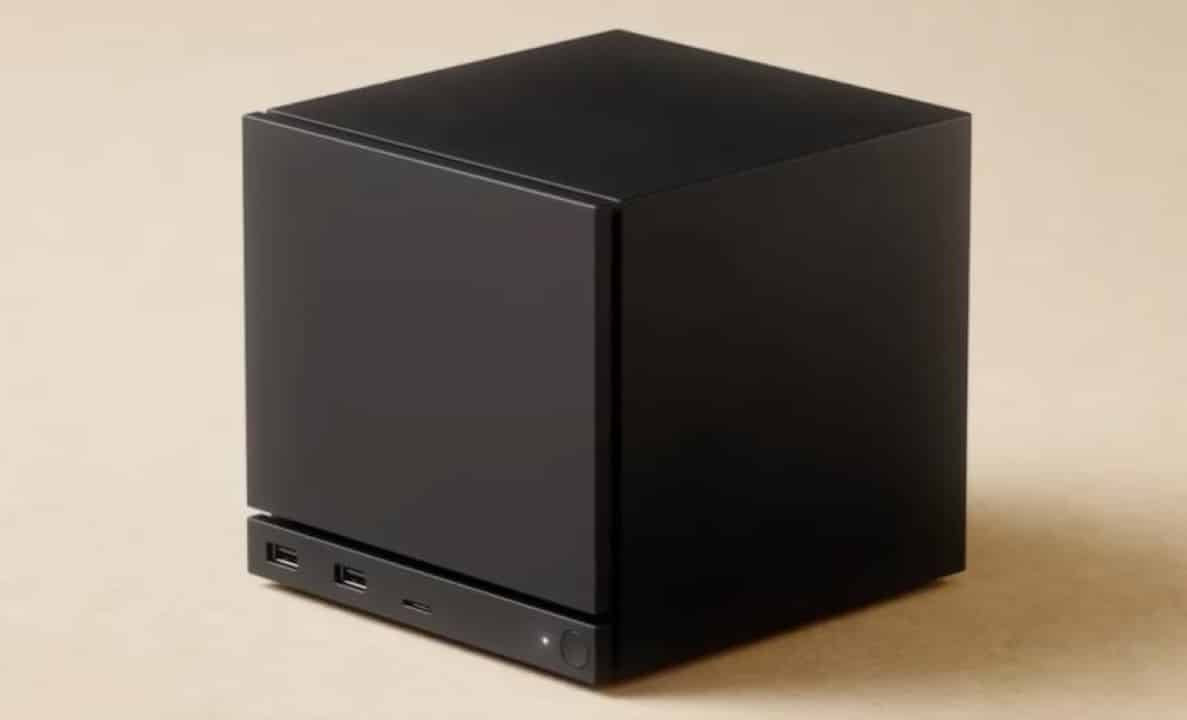
Valve has announced that it will make it easier to create your own Steam Machines by releasing the SteamOS operating system for installation on custom computers. This new feature allows players to use their own PC parts to build a dedicated gaming machine, starting with version 3.8 of SteamOS.
The recently released version 3.8.10 of SteamOS already includes important updates, such as better compatibility with the latest hardware platforms from Intel and AMD. With this, the company is officially opening the doors so that users can install the software on their own equipment.
In a conversation with The Verge, Valve’s Pierre-Loup Griffais confirmed that the team has been working hard to improve SteamOS’s compatibility with desktop hardware. He also said that support for Nvidia graphics cards is under development, the result of close collaboration between the companies. Griffais mentioned that while support for Nvidia may not arrive later this year, it’s a feature the team is “certainly working on behind the scenes.”
Until now, it was technically possible to install SteamOS on its own hardware, but the experience was mainly limited to AMD systems. Installation generally required the use of a Steam Deck recovery image, a considerably more complex procedure than installing other Linux distributions, and running the system on Intel or Nvidia hardware presented great difficulties.
The company is focused on changing this reality, according to Griffais. The goal is to soon allow gamers to run SteamOS on virtually any gaming PC configuration they want, including systems with Nvidia graphics cards. This expansion of support marks a significant step towards democratizing access to Valve’s gaming ecosystem, beyond Steam Deck devices.
For the near future, Griffais guaranteed that SteamOS, in its current configuration, already delivers a “good experience” on PCs that simulate consoles. He explained that if the user has a computer connected to a TV, with a single hard drive and without the intention of using dual boot, they can install SteamOS and have an experience very similar to that of a Steam Deck coupled to the TV or a Steam Machine, although with some particularities, such as the lack of support for HDMI-CEC.





