Japanese athletes clean dressing room after thrashing Tunisia, but symbol in the stands sparks debate
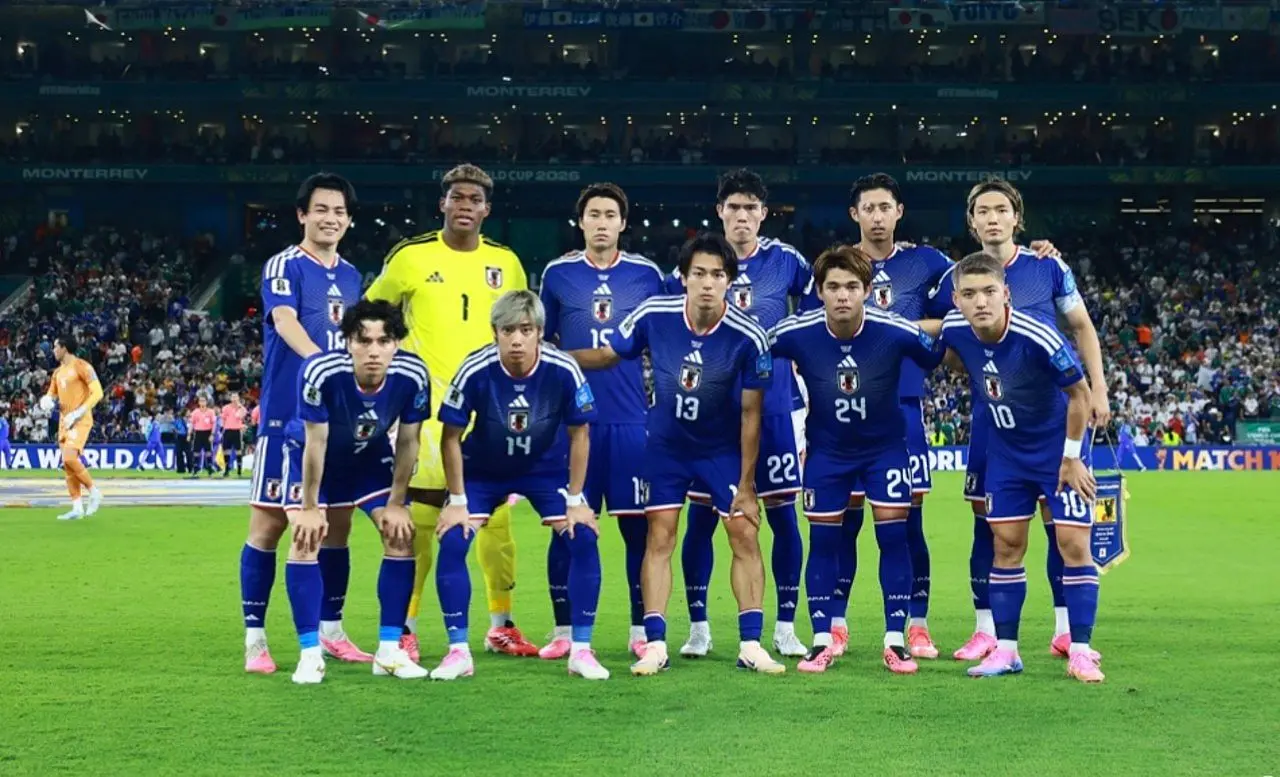
The Asian team achieved an impressive result by beating the Tunisian team four to zero during the tournament held in Mexican territory. With this elastic score, the Japanese squad reached the four-point mark within Group F, accumulating a triumph and a level score so far. In the current configuration of the table, the Easterners share second place with the Dutch team, having the same goal difference, being at a disadvantage only in the criterion of balls in the net in favor.
Example of citizenship in the stands after the final whistle
Supporters of the eastern team, often called “Blue Samurai”, staged a real party on the stadium’s seats, using plastic bags in celestial tones to support the athletes. As soon as the confrontation ended, the group took on the role of cleaning team, collecting all the waste left in the sector where they were accommodated. This attitude of respect for other people’s heritage gained immediate prominence in the international press, reinforcing the reputation of Asians as good guests at major sporting competitions.
Attitude of athletes inside the Mexican stadium facilities
Away from the eyes of the general public, the cast also demonstrated a high level of education and care for the space provided. Images captured and published by local newspaper ‘El Norte’ showed the interior of the locker room completely organized before the delegation left. The uniforms and towels used were folded and stacked with precision, while the tactical board displayed a handwritten message with the words: “Thank you very much, Samurai Blue”, highlighting the gratitude for the hospitality received in the host country.
Leia Também

Messi reaches 19 goals in FIFA World Cups with great free kick for Argentina in clash with Jordan

Cristiano Ronaldo shines beyond the pitch at the 2026 World Cup with business empire and family luxury

At 41, Cristiano Ronaldo reaffirms his historic legacy and prepares to shine in the 2026 World Cup
This exemplary behavior did not go unnoticed by global media outlets, earning honorable mentions in the programming of the North American network ESPN. The broadcaster’s commentators praised the group’s discipline, classifying the action as a fascinating cultural trait that should serve as an inspiration for sports delegations from all over the planet, regardless of the sport played.
Controversial symbol overshadows good deeds during sporting event
Despite the flood of positive comments, an incident in the stands ended up tarnishing the impeccable image built throughout the day. Broadcast cameras caught a group of Japanese spectators waving the Rising Sun flag in the middle of celebrating the goals. The situation took on greater proportions when local fans, unaware of the historical weight of the emblem, began to paint the same design on their faces to interact with Asian visitors.
The historical weight and strict rules of football’s highest entity
The Rising Sun banner carries extremely heavy baggage, being the main icon of Japanese imperialism and militarism during the conflicts of the Second World War. For neighboring countries that suffered invasions and atrocities in the past, such as China and South Korea, the design causes the same repulsion that the symbols of the Nazi regime provoke on the European continent. Faced with this scenario of geopolitical tension, sports authorities maintain strict guidelines to avoid diplomatic conflicts within the arenas, applying the FIFA Disciplinary Code, which establishes strict sanctions for infractions of this nature.
- Immediate ban on fans identified as carrying materials of an offensive political, religious or military nature.
- Application of severe financial fines to national federations responsible for offenders in the stands.
- Possibility of loss of points, closing of gates or disqualification in cases of serious recurrence in official tournaments.
Debate on the cultural contradictions exposed in the tournament
The episode generated intense discussions in international forums about the contrast evident in the behavior of the fans. Analysts have pointed out the irony of a group capable of meticulously cleaning someone else’s stadium, but simultaneously displaying an emblem that refers to a period of extreme violence against other nations. This duality raised profound questions about the preservation of historical memory and the need for greater global awareness in events that bring together different cultures in the same coexistence space.