Japanese government confirms 3.2% increase in retiree support benefits for 2026
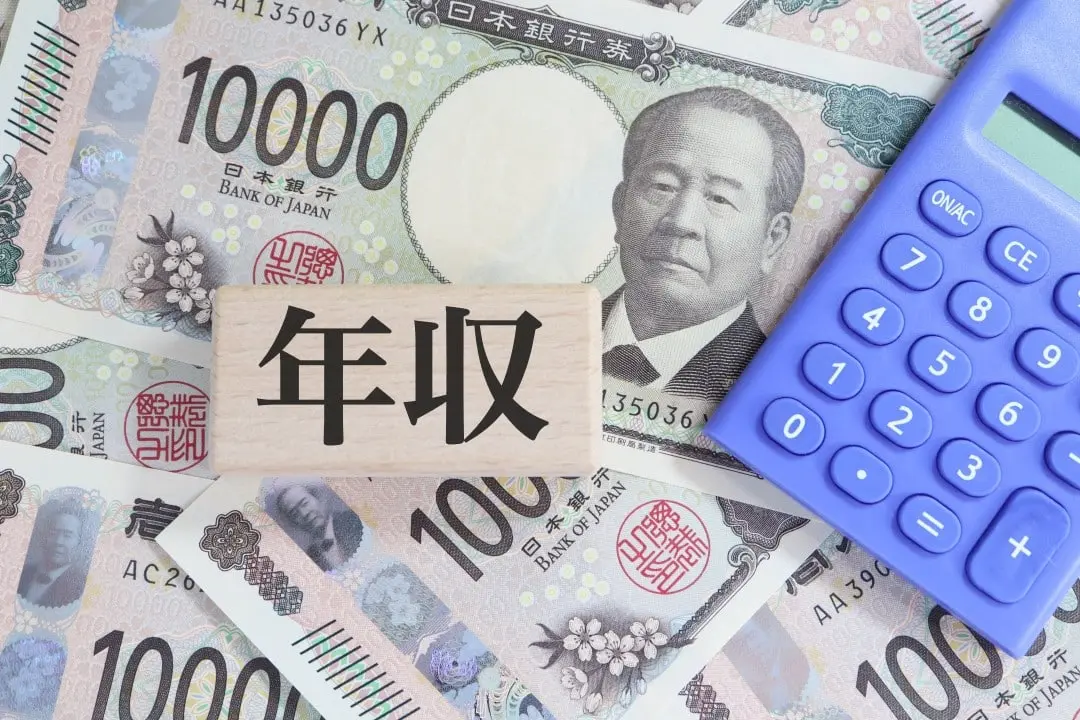
The Japanese government confirmed a positive adjustment of 3.2% in financial assistance transfers to retirees for the 2026 fiscal year. With this update, the base quota allocated to support the elderly will jump to 5,620 yen per month. Beneficiaries will begin receiving amounts with the new ceiling from June 15th.
This economic intervention appears as a direct response to the escalation in prices that affect the cost of living in the Asian archipelago. The main focus of the measure is to alleviate the budget of the low-income population that depends exclusively on basic social security. It is important to note that this aid works as a financial supplement, requiring a separate process, as it is not automatically incorporated into the traditional retirement payment.
Understand how inflation determined the new calculation of transfers
The 3.2% index applied to the benefit was established based on recent fluctuations in the country’s inflation rates, which have been putting pressure on purchasing power. During the previous fiscal calendar, the reference value was set at 5,450 yen. In practice, this difference represents an increase of 170 yen each month in the bills of seniors who meet the criteria for the standard assistance program.
The changes also cover citizens who depend on disability assistance, with variations depending on the category. For those classified in Grade 1, the monthly payment will reach 7,025 yen, while Grade 2 will remain aligned with the minimum of 5,620 yen. In the case of death pensions, the base amount follows the same line of 5,620 yen, with a proportional division of the money if there are multiple dependents, such as children.
The mathematics behind the final amount released for seniors takes into account the citizen’s entire contribution history to the social security system. The official formula crosses the months in which fees were actually paid with the exemption periods granted throughout working life. Consequently, the deposit varies drastically from person to person, which means that not all registrants will be entitled to withdraw the maximum ceiling stipulated by the government.
Eligibility criteria to access the financial supplement
Access to this extra support requires compliance with strict rules, focused on supporting those who truly face economic vulnerability. The candidate must be entitled to an old-age, disability or death pension in Japan. Furthermore, the total income of the residence cannot exceed a pre-defined limit, with tax exemption being one of the main indicators for approval.
- Individuals aged 65 or over who already receive basic pension.
- Disability benefit holders who meet the required income limits.
- Dependent family members who are beneficiaries of financial support upon death.
- Entire family groups that are exempt from municipal residence tax.
- People who formalize the request through documentation sent by the responsible body.
The release of money does not happen automatically for everyone, requiring the citizen to fill out and send a formal application. Anyone who already has the benefit active on their account does not need to go through a new approval process. For new recipients, the Japan Pension Service sends the necessary paperwork by mail, ensuring that payment begins in the month following validation, with the possibility of retroactive adjustment within specific deadlines.
Payment dynamics and the official deposit calendar
Although the new table of values will officially come into force in April 2026, the mechanics of bimonthly transfers in the Japanese system generate a small discrepancy in the physical transfer. The deposit scheduled for June 15th will be the first to include the amounts for April and May with the adjustment already applied. From that date onwards, monthly corrections will follow the normal flow of the country’s social security calendar.
Leia Também

Messi reaches 19 goals in FIFA World Cups with great free kick for Argentina in clash with Jordan

Cristiano Ronaldo shines beyond the pitch at the 2026 World Cup with business empire and family luxury

At 41, Cristiano Ronaldo reaffirms his historic legacy and prepares to shine in the 2026 World Cup
The Japan Pension Service organized a task force to send updated payment notices throughout the month of June. Policyholders will receive a postcard at their homes detailing exactly how much will fall into their account with the new rate. If the correspondence does not arrive within the expected timeframe, the advice is to access the institution’s digital portal or seek in-person assistance at local agencies.
Structural differences between extra aid and common pension
It is essential to understand that this financial support is not part of the structural calculation of the Japanese basic pension. It acts strictly as an additional safety net, designed to help those living in more fragile financial conditions. For this reason, the volume of money transferred fluctuates according to individual contribution time, dispelling the idea that there is a single, universal rate for all retirees.
A significant portion of senior citizens vitally depend on this injection of capital to cover basic expenses, such as food and housing in Japan. With the recent rise in prices of essential items, the relevance of this social protection mechanism has reached critical levels. Local authorities constantly reinforce the need to check access credentials so that no citizen loses their right to money due to misinformation.
Procedures for updating data and new registrations
Residents who fit the profile, but still do not see the money in their account, need to fill out the specific request form. In most cases, the system itself identifies potential new beneficiaries and automatically sends the document to the registered address. After the completed paperwork is returned, the government performs a screening and releases the first deposit in the following monthly cycle.
Keeping information up to date is crucial, especially if there is any change in income or the number of people living in the same house. The program undergoes periodic audits to ensure that resources reach those who need them. Updating data with the Japan Pension Service is the only way to avoid preventive blocking of the account or undue charges for overpaid amounts.
All of this government machinery aims to protect the elderly and vulnerable populations against poverty, without overloading the social security system in an unsustainable way. In a scenario where more than 29% of the Japanese population has already surpassed the 65-year-old barrier, public income transfer policies such as this become the center of debates about the economic future and the maintenance of well-being in the country.