Lionel Messi equals Miroslav Klose and shares the top of the World Cup’s historic goalscorer with 16 goals
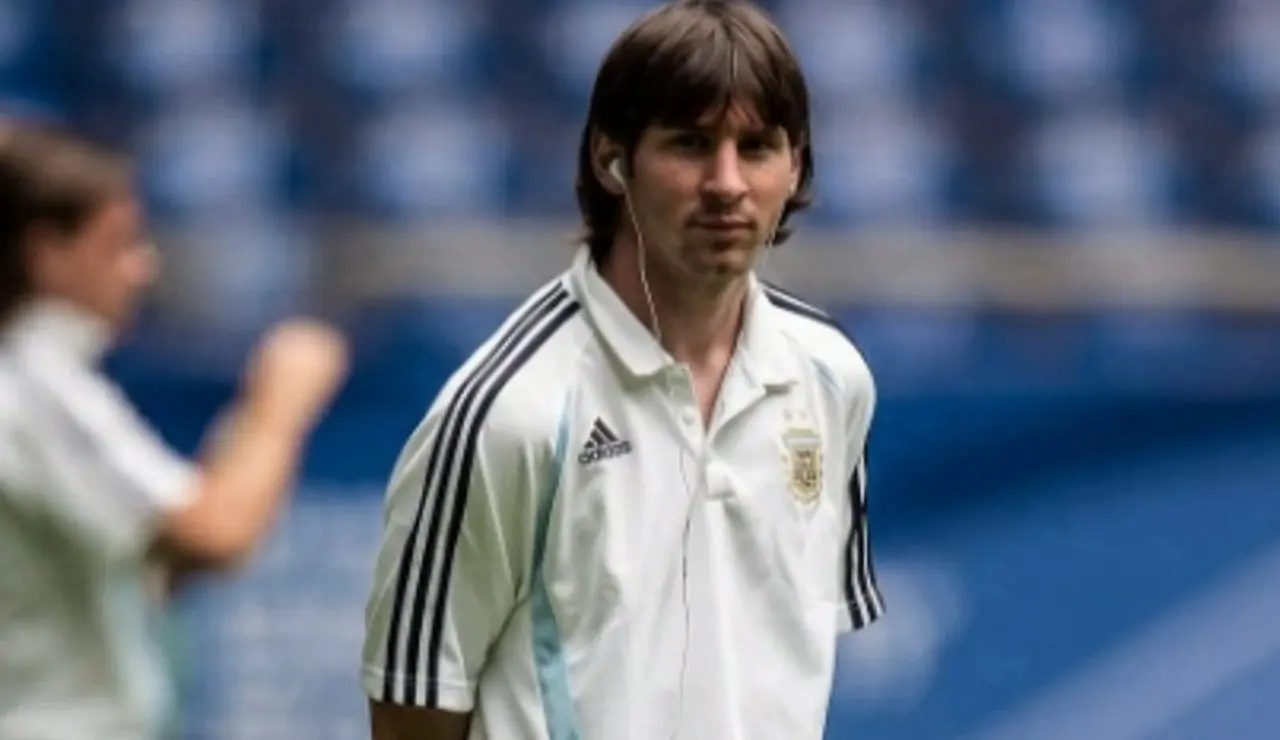
Two big names in world football, Miroslav Klose and Lionel Messi, now share the distinction of being the greatest scorers in World Cup history, both racking up 16 goals. This impressive milestone highlights the longevity and finishing ability of both athletes on the sport’s biggest stages.
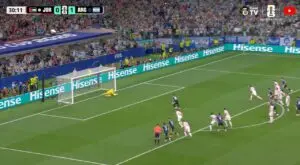
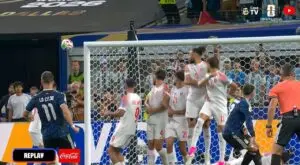
Messi’s feat was achieved on June 16, 2026, when the Argentine star found the net three times during Argentina’s opening match against Algeria. With this decisive hat-trick, he officially joined the German at the top of the list of all-time top scorers.
While Klose built his 16 goals for Germany between the 2002 and 2014 editions, Messi reached the record at the age of 38, in his sixth appearance in the tournament. The Argentine player still has the opportunity to surpass the German and take the lead in the 2026 competition.
Following this select list is Ronaldo Nazário, with 15 goals, followed closely by Gerd Müller and Kylian Mbappé, each with 14 goals. Mbappé, who also shone by scoring twice in the French opener, emerges as the main candidate among younger athletes to challenge and, who knows, break the historic record.
Understanding the criteria for top scorer in football world cups
Winning the title of top scorer in the World Cup is directly linked to the total number of goals scored in all official editions of the main football tournament on the planet. The rule is clear and covers the athlete’s entire trajectory in the competition.
The criteria used exclusively consider goals scored in matches valid from the group stage of the 2026 World Cup to the grand final. The player’s complete performance in all his World Cup appearances is taken into account.
Leia Também
Messi reaches 19 goals in FIFA World Cups with great free kick for Argentina in clash with Jordan

Cristiano Ronaldo shines beyond the pitch at the 2026 World Cup with business empire and family luxury

At 41, Cristiano Ronaldo reaffirms his historic legacy and prepares to shine in the 2026 World Cup
The International Federation of Association Football (FIFA) counts all goals made throughout a player’s World Cup career. This sum is made without distinction from the specific number of World Cups played by the athlete.
Therefore, the final ranking does not focus on average goals per game or exceptional performances in a single edition of the championship. What prevails is the total sum accumulated over time.
Through this methodology, the record gives great value to regularity, career durability and participation in complete national team campaigns. Such factors help to assess the importance and historical weight of this remarkable sporting feat.
Details about the athletes who lead the World Cup’s historic artillery
Currently, the position of top scorer in the World Cup is shared by two icons: Miroslav Klose, from Germany, and Lionel Messi, from Argentina. Both have 16 goals in official games valid for the tournament.
Lionel Messi achieved the feat of equaling the German on June 16, 2026, after scoring three decisive goals in Argentina’s opening match against the Algerian team.
Klose built his tally of 16 goals over four separate editions of the World Cup. This performance highlights the striker’s remarkable consistency across different game cycles and environments. His goals were distributed as follows: five in 2002, another five in 2006, four in 2010 and, finally, two in 2014, totaling 24 games played in the tournament.
Discover the complete list of the top scorers in world cups
The list of the greatest scorers in the history of World Cups begins with Miroslav Klose, followed by Ronaldo and Gerd Müller. The list below presents the players who scored the most goals in all official editions of the tournament:
- Miroslav Klose (Germany, 16 goals in four World Cups)
- Lionel Messi (Argentina, 16 goals over six World Cups)
- Ronaldo Nazário (Brazil, 15 goals in three editions)
- Gerd Müller (West Germany, 14 goals in two World Cups)
- Kylian Mbappé (France, 14 goals in two World Cups)
- Just Fontaine (France, 13 goals in a single edition)
- Pelé (Brazil, 12 goals in four editions)
- Jürgen Klinsmann (Germany, 11 goals in three World Cups)
- Sándor Kocsis (Hungary, 11 goals in the 1954 World Cup)
- Gabriel Batistuta (Argentina, 10 goals in three editions)