Mané x Haaland: the brutal social contrast between two of today’s biggest stars
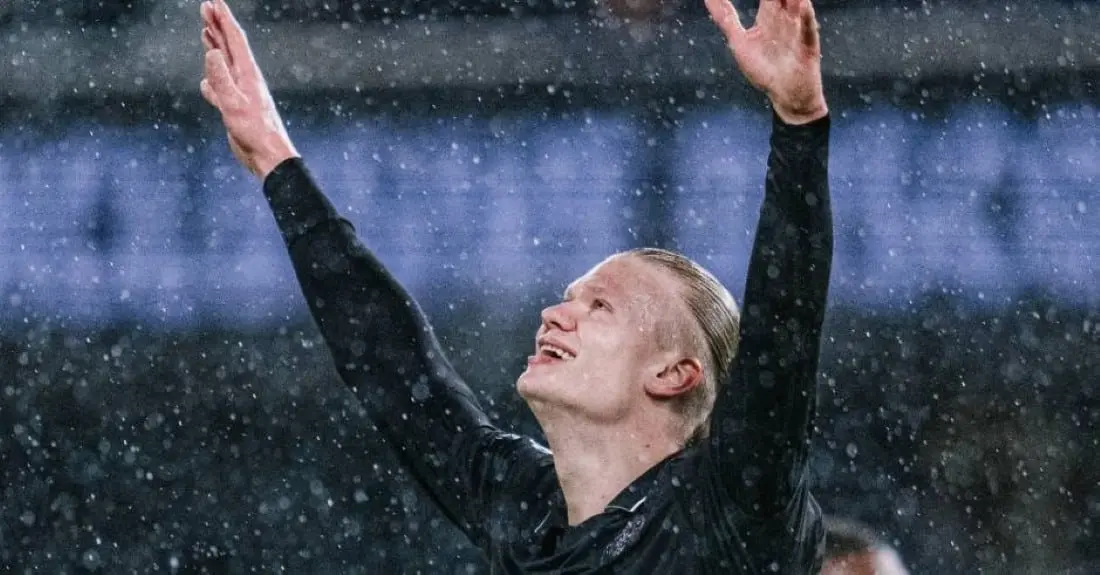
One of the most anticipated clashes of the 2026 World Cup pits the teams of Norway and Senegal face to face, in a clash that promises high intensity on the field and, at the same time, offers a mirror to very different socioeconomic realities. The decisive game, scheduled for MetLife Stadium, in East Rutherford, on the outskirts of New York, will be a crucial step for both teams to advance in the competition.
The stage and expectations for a crucial duel
The 2026 World Cup schedule has three matches of great interest on this date, highlighting the clash between Norway and Senegal at 9pm Brasília time. This duel will be closely watched, given its importance for the teams’ classification. While the Africans need a victory to keep their hopes of advancing alive, the Norwegians can secure their place in the next phase with a victory, or guarantee a strategic position to compete for the group leadership with France in the final round, if they manage to achieve a draw.
Featured talents and Norwegian evolution
The Norwegian team arrives at the tournament with a remarkable collective strength, led by striker Erling Haaland. However, the team goes beyond the individuality of its main scorer, presenting a robust squad from a tactical and physical point of view. Players with high technical quality, such as left-handed midfielder Martin Ødegaard, from Arsenal, who stands out for his creativity, and the speedy wingers Alexander Sorloth and Antonio Nusa, are key players capable of deciding in crucial moments.
The current Norwegian generation demonstrates significant growth in all areas of modern, more physical and balanced football. Many observers believe that this team has the potential to surpass the historic 1998 generation, which surprised Brazil by 2-1 in the French Cup, only to be eliminated in the round of 16 by Italy.
Senegal’s resilience and history in the World Cup
On the other hand, the Senegal team, current champion of the African Cup of Nations, displays a combination of strength, experience and a consolidated trajectory in World Cups, especially when compared to its European opponents. The “Lions of Teranga” carry the memory of an iconic moment in 2002, when they shocked the world by defeating then world champions France 1-0, in the opening match of the tournament, with a memorable goal from Papa Bouba Diop.
In this 2026 clash, the presence of Sadio Mané is central. He stands out not only for his undeniable talent on the field, but also for an inspiring attitude and a commitment to social issues that resonate beyond the pitch.
Sadio Mané: a social ambassador in football
Leia Também
Messi reaches 19 goals in FIFA World Cups with great free kick for Argentina in clash with Jordan

Cristiano Ronaldo shines beyond the pitch at the 2026 World Cup with business empire and family luxury
At 41, Cristiano Ronaldo reaffirms his historic legacy and prepares to shine in the 2026 World Cup
Sadio Mané represents an ideal athlete who uses his platform and achievements for the greater good. His philosophy of life is encapsulated in one of his most striking statements, made in 2019: “I faced hunger, I worked in the fields. I lived through difficult times, I played barefoot and I didn’t have the same education as many, but now, with my achievements in football, I can help my people. My priority is to build schools and offer food and clothing to those in need.”
This perspective reveals a player who rarely seeks the spotlight for ostentation, social media dances or displays of luxury. Its true mission transcends sport, focusing on the pursuit of social justice and the well-being of its community. Mané is an example of how individual success can be directly reverted to collective benefit, building essential infrastructure such as schools and hospitals, in addition to guaranteeing food for its population. It symbolizes the hope and resilience of many African athletes who, upon reaching stardom, do not forget their roots and invest in their people.
Contrasting socioeconomic realities
The spectacle of World Cup football, although fascinating, also serves as a stage to highlight the contrasting social realities between the participating nations. On the one hand, citizens of Nordic countries, such as Norway, enjoy a wide range of facilities and guaranteed fundamental rights, including unrestricted access to quality education, robust security, decent housing, plentiful food and diverse leisure options. Norway boasts a Human Development Index (HDI) of 0.97, categorized as very high, which reflects a society with excellent living conditions.
On the other hand, the African population, especially in regions like Senegal, faces severe daily challenges, marked by widespread hunger, persistent violence, the spread of diseases and the lack of basic conditions for a dignified life. Senegal has an HDI of 0.53, considered low, which highlights structural difficulties and the urgent need for social and economic development.
HDI data, which assess life expectancy, education and per capita income, make the global disparities represented in the field even more palpable. This abysmal difference in the quality of life index between the two nations adds a layer of meaning to the sporting confrontation, transforming it into a microcosm of human struggles and aspirations on a global scale.
Sport as a platform for reflection
Beyond the spectacle of the ball, the World Cup offers a unique platform for deeper reflections on the world we live in. Although many only see the game and the technical dispute, those with greater empathy and perception of global realities find in duels on the field a reason for emotion and engagement that transcends mere sporting passion. Identification with stories of overcoming and the fight for social justice, like that of Sadio Mané and the Senegalese people, invites a fan base that goes beyond the preference for a style of game or an athlete, connecting with the very essence of the human condition and the search for a more equitable world.