US Supreme Court reinstates conviction for kidnapping and death of Etan Patz
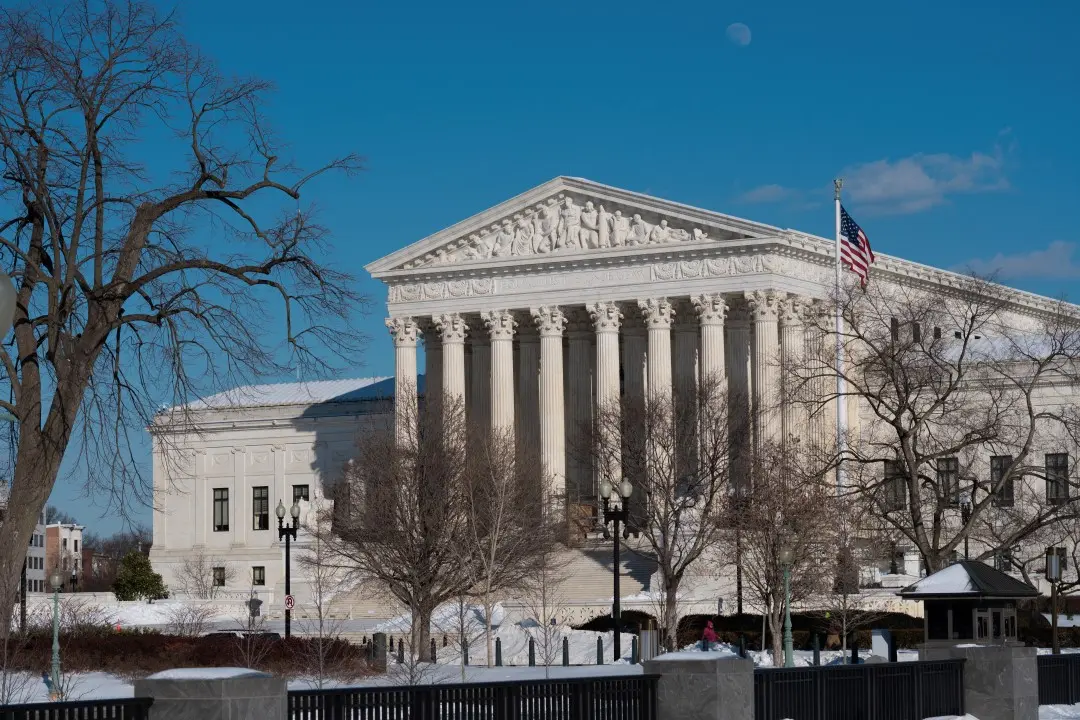
A new stage in the judicial process involving Pedro Hernandez, convicted of the murder of Etan Patz, gains prominence in New York. The current development renews the debate over one of the most notorious child missing cases in American history, which has raged for decades.
Updates on Pedro Hernandez’s legal situation
The most recent court ruling has implications for the future of Pedro Hernandez, the man sentenced for the kidnapping and death of Etan Patz. Details about the decision were released, reigniting public discussion about the continuation or termination of available legal remedies.
Boy Etan Patz disappeared in May 1979 in New York City while walking to the school bus stop. Her case became a national symbol of missing children and was a milestone for search campaigns across the country.
Hernandez’s arrest only took place in 2012, 33 years after the child’s disappearance, following a confession he made to authorities. This confession, although controversial, was a central part of the investigation that led to his indictment.
After years of legal impasses and two trials, Pedro Hernandez was finally convicted in 2017 of the murder of Etan Patz. The sentence represented a legal conclusion to a mystery that had lasted for generations and mobilized task forces and public opinion.
Leia Também

Messi reaches 19 goals in FIFA World Cups with great free kick for Argentina in clash with Jordan

Cristiano Ronaldo shines beyond the pitch at the 2026 World Cup with business empire and family luxury

At 41, Cristiano Ronaldo reaffirms his historic legacy and prepares to shine in the 2026 World Cup
The lasting impact of the Patz case on American law
The iconic case of Etan Patz not only captured the nation’s attention for an extended period of time, but also significantly shaped the policies of searching for missing children in the United States. The disappearance was a catalyst for the creation of the National Center for Missing and Exploited Children and the “milk children” campaign, which aired photos of the missing on milk cartons, raising awareness and permanently changing the approach to such incidents.
Currently, Hernandez’s defense lawyers continue to explore the latest legal alternatives to challenge the conviction. The legal fight continues, keeping the case active in the courts and in the collective memory.