2027 solar eclipse forecast promises daytime darkness of more than 6 minutes, rare event in 157 years
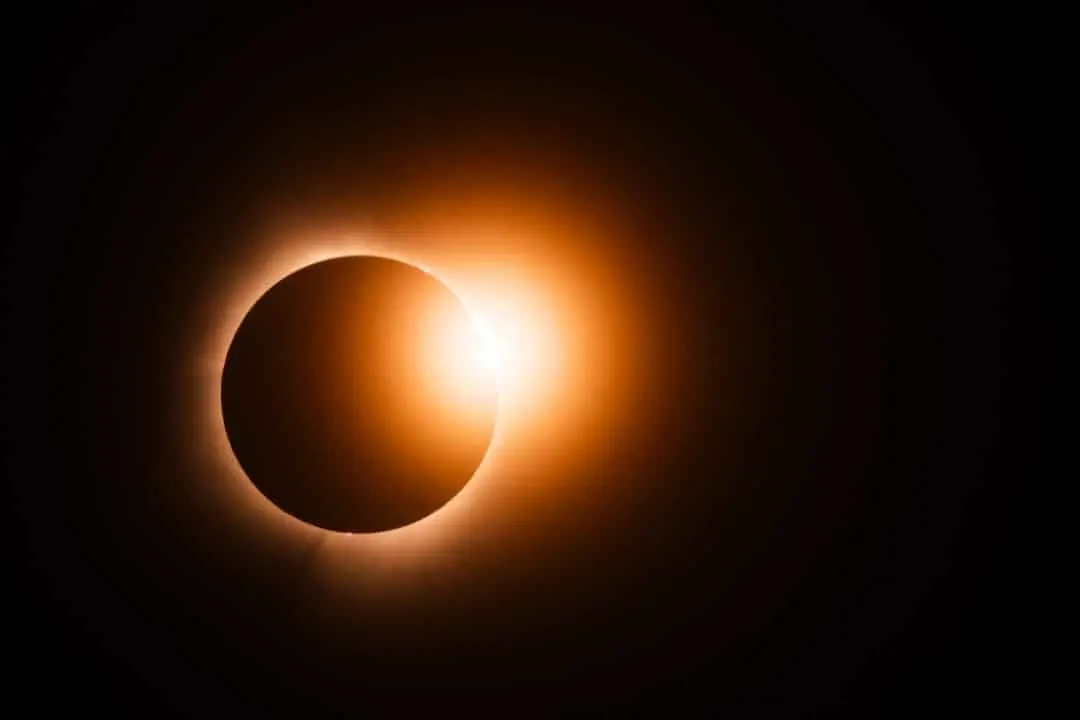
The long-awaited total solar eclipse of August 2, 2027 promises to be one of the most notable celestial events of the coming decades. During the phenomenon, the lunar shadow will cross regions of Europe, North Africa and the Middle East, plunging some areas into momentary darkness during the day.
The exceptional duration makes this event particularly anticipated. In certain locations along the route, the phase of totality can reach 6 minutes and 23.2 seconds, a rare length for eclipses visible in populated areas. Its privileged route, crossing historic and easily accessible places, is expected to attract a large number of scientists, travelers and astronomy admirers.
Understanding the phenomenon of total solar eclipse
A complete solar eclipse happens when the Moon aligns perfectly between the Earth and the Sun, blocking the view of the star for observers in a specific range of the Earth’s surface. To those outside this narrow area, the event appears only as a partial eclipse.
Consequently, geographically close locations can experience the spectacle in different ways. Some will witness total darkness and the visualization of the solar corona, while others will only see an obscured part of the Sun.
- The date of the total eclipse is set for August 2, 2027.
- The maximum estimated duration is 6 minutes and 23.2 seconds.
- The view of totality will be restricted to the central band through which the lunar shadow will pass.
- The main route will cover areas in Spain, regions of North Africa and the Middle East.
- Brazilian territories will not be in the total eclipse visibility area.
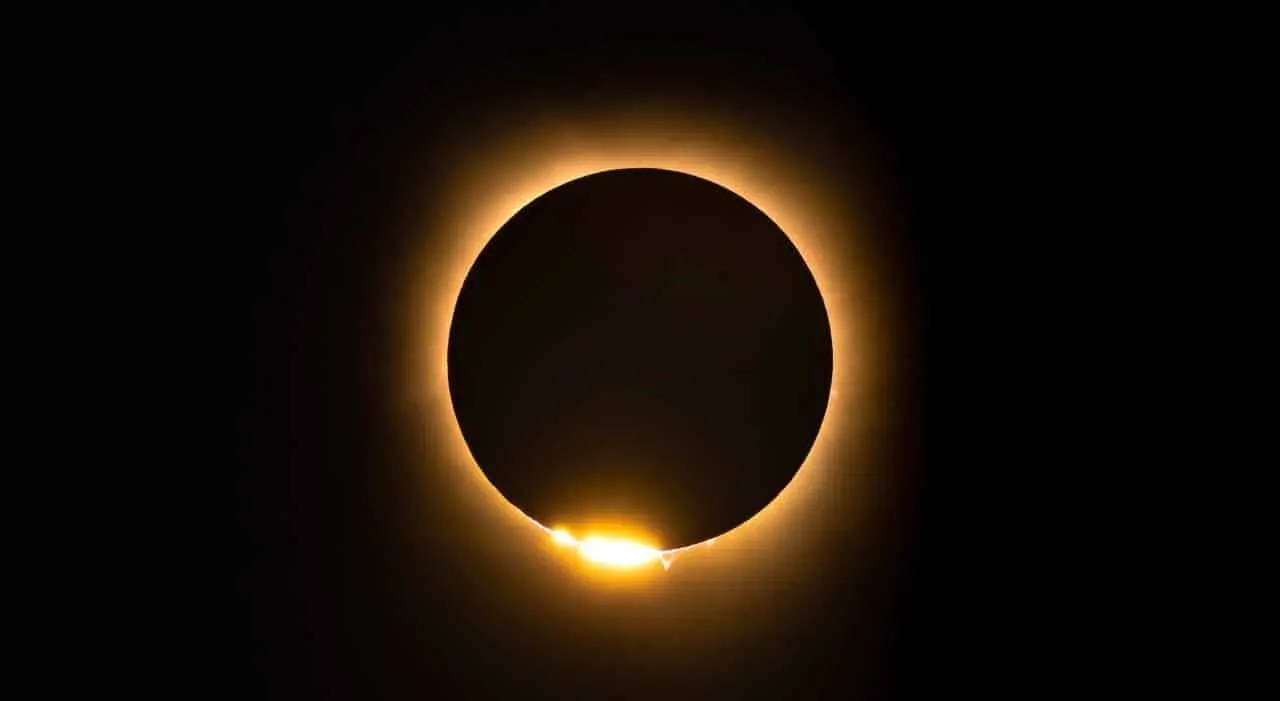
Global routes where total darkness will be visible
The route where day will turn into night will cross the south of Spain, extending through several North African nations and areas of the Middle East. Morocco, Algeria, Tunisia, Libya, Egypt, Saudi Arabia, Yemen and Somalia are some of the countries included in this route.
Observers located outside this center line will only see a partial eclipse, depending on weather conditions. The distinction is crucial: only in the totality phase does the solar corona become visible and the change in sky illumination is more noticeable.
Leia Também

Messi reaches 19 goals in FIFA World Cups with great free kick for Argentina in clash with Jordan

Cristiano Ronaldo shines beyond the pitch at the 2026 World Cup with business empire and family luxury

At 41, Cristiano Ronaldo reaffirms his historic legacy and prepares to shine in the 2026 World Cup
- Be positioned within the totality range.
- Select an observation point with a clear horizon.
- Check the precise local start, peak and end times of the eclipse.
- Monitor cloudiness projections, dust incidence and temperature.
- Use adequate eye protection during all partial phases of the phenomenon.
Analysis of data released by NASA
NASA mapping for the August 2, 2027 eclipse indicates a maximum duration of 6 minutes and 23.2 seconds for the total phase. However, experts point out that, although notable, this is not the longest-lasting eclipse of the 21st century. The 2009 phenomenon, for example, exceeded that time, but its main route occurred mostly over the ocean, making it less accessible for observation on land.
Essential recommendations for safe observation
Looking directly at the Sun without the correct eye protection represents a serious health risk. Ordinary sunglasses are insufficient for this purpose, and using equipment such as cameras, binoculars or telescopes without appropriate solar filters can cause permanent visual damage.
Removal of protective devices is authorized only during brief moments of totality and only for those located precisely in the area where the Sun is completely hidden. Before and after this brief period, applying appropriate filters remains crucial.
Optical instruments, in turn, require the installation of specific solar filters positioned before the lenses. Experts reinforce the warning against using improvised methods to ensure eye safety.