Astronomical phenomenon of 2027 will bring more than six minutes of darkness to Europe and Africa
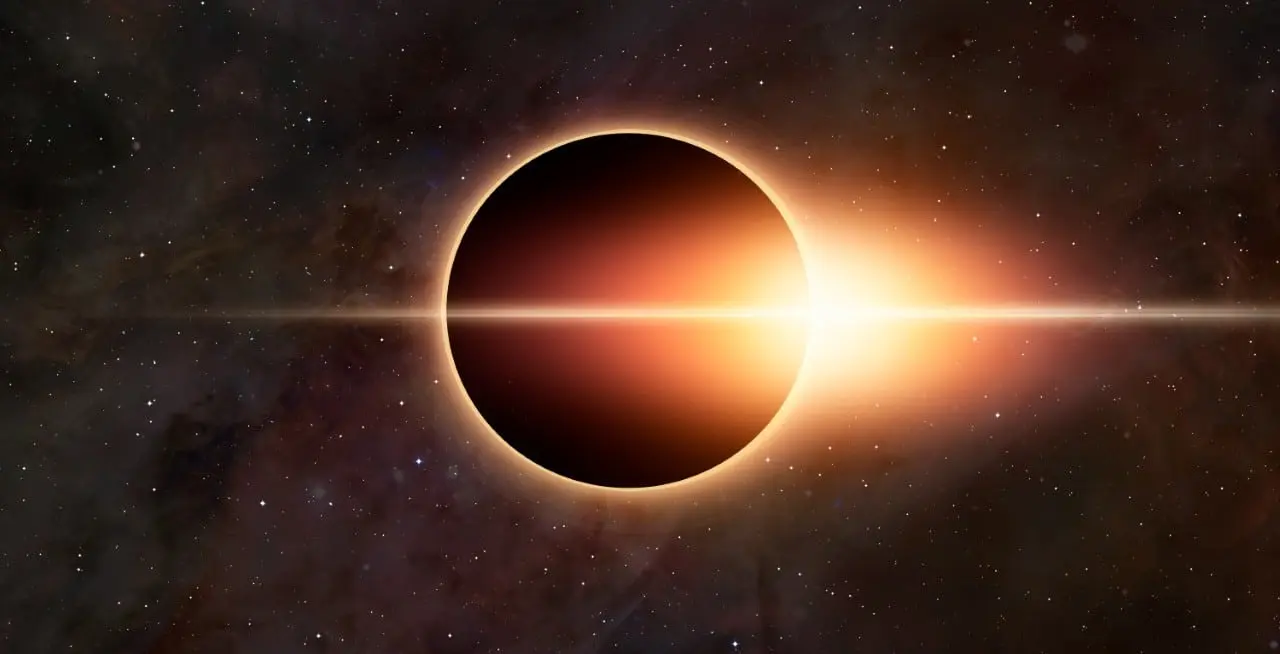
One of the most anticipated astronomical spectacles of the decade is already moving the scientific community and the global tourism sector. The event draws attention not only for its exceptional duration, but also for crossing densely inhabited territories and flying over monuments of immense historical value for humanity.
During a specific time window, populations located exactly within the lunar shadow corridor will experience a drastic change in the environment. The daytime sky will gain nighttime contours, thermometers will register a sudden drop and the outer atmosphere of our main star will appear to the naked eye, revealing itself only at the peak of occultation.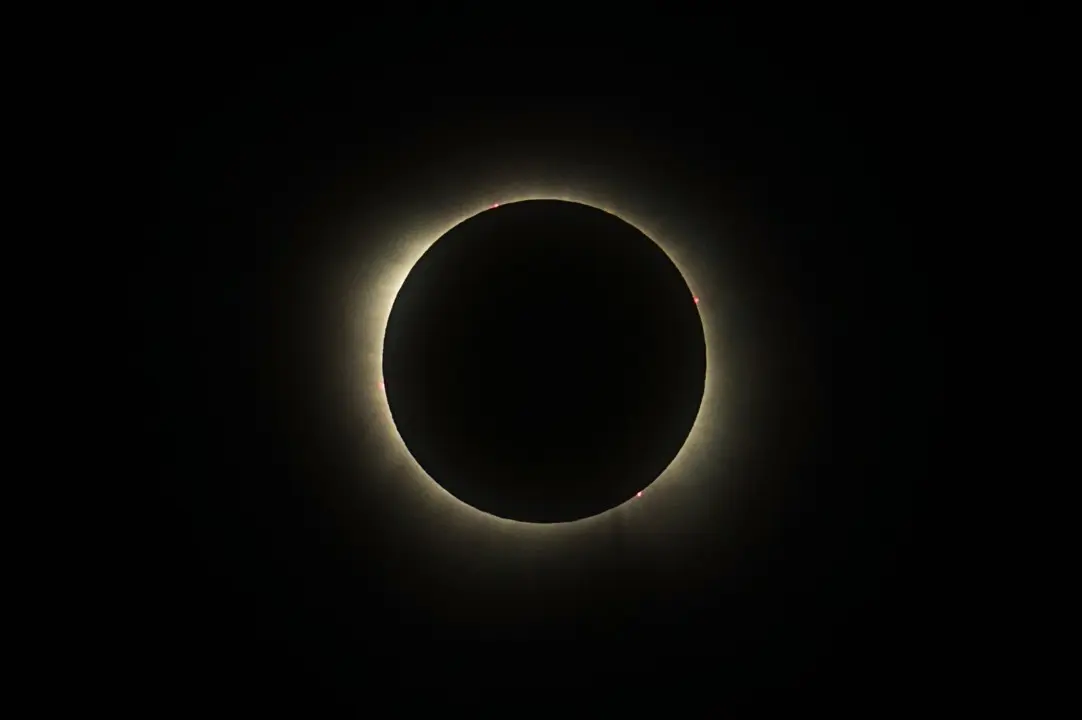
Route and duration of the biggest astronomical event of the decade
Scheduled for August 2, 2027, the total blockage of sunlight will reach the impressive mark of 6 minutes and 23 seconds at its maximum point, according to projections by the NASA space agency. Reaching this mark of continuous darkness over easily accessible continental areas is a very rare milestone in modern astronomy.
To the frustration of South American enthusiasts, Brazil will be completely outside the contemplation zone of this cosmic event, having to wait until August 12, 2045 to witness a total eclipse in its own territory. The 2027 privilege will be restricted to a geographic range that cuts across the south of the European continent, the north of African territory and parts of the Middle East.
The maximum darkness corridor will begin its journey through southern Spain, passing through several nations and historical landmarks. Among the territories that will witness the peak of the phenomenon, the following stand out:
- Morocco, Algeria and Tunisia, opening the route in North Africa.
- Libya and Egypt, where the shadow will cover the ancient ruins of Luxor and the Valley of the Kings.
- Saudi Arabia, Yemen and Somalia, marking the final stretch of the route.
Those positioned on the banks of this main route will have to make do with a partial blockage, relying heavily on clear skies to enjoy the views.
Celestial mechanics behind complete blocking of sunlight
The daytime blackout occurs thanks to a perfect cosmic alignment, a moment in which Earth’s natural satellite is positioned millimetrically in front of the Sun, creating a cone of shadow that reaches the surface of our planet.
This band of absolute darkness has very narrow dimensions, which generates impressive visual contrasts between nearby municipalities. While a city plunges into night in the middle of the afternoon, a village located a few kilometers away experiences only a slight decrease in light, marking the difference between shadow and twilight.
It is exactly at the moment of total blockage that the solar corona steals the spotlight in the sky. This is the outermost and hottest layer of the star’s atmosphere, which is normally overshadowed by the overwhelming brightness of the main disk and can only be studied with the naked eye in these exceptional conditions.
Leia Também

Messi reaches 19 goals in FIFA World Cups with great free kick for Argentina in clash with Jordan

Cristiano Ronaldo shines beyond the pitch at the 2026 World Cup with business empire and family luxury

At 41, Cristiano Ronaldo reaffirms his historic legacy and prepares to shine in the 2026 World Cup
Reasons that transform the 2027 blackout into a scientific milestone
The extended period of darkness emerges as the main magnet for researchers around the world. Surpassing the six-minute totality barrier puts this occurrence at the top of the list of priorities for Earth observation in the first half of the century.
Despite the superlative numbers, astronomers remember that the absolute record for the 21st century still belongs to the 2009 eclipse, which lasted longer, but occurred mostly over the waters of the Pacific Ocean. The great advantage of the 2027 event is precisely the vast expanse of dry land in its path, allowing the setting up of scientific camps and the massive presence of spectators.
Another undeniable attraction is the tourist infrastructure that already exists in the countries along the route. The ease of travel and accommodation in consolidated destinations promises to generate a real exodus of eclipse hunters, boosting the local economy and democratizing access to science.
Essential safety protocols to protect vision
Aiming at the sky during the phenomenon requires strictly certified protective equipment. Dark lenses for daily use are completely useless against ultraviolet radiation, and any magnifying instrument, such as telescopes or binoculars, must have professional solar filters attached.
The only time the eyes can be unprotected is during the brief minutes of totality, and this applies exclusively to those stuck in the center of the shadow path. Before and after this summit, or for observers in partial zones, the use of safety equipment is non-negotiable.
Eye health professionals warn against the use of x-rays, tinted glass or automotive film, which can cause irreversible blindness. Light filtering must always occur at the entrance to the equipment’s optical tube, never at the eyepiece close to the observer’s face.
Planning the trip requires attention to logistical details, including thoroughly checking shadow contact hours in the chosen region. In addition to timing, travelers must monitor the weather forecast and desert dust levels, factors that can ruin months of preparation.