Axolotls from Mexico: popularity as World Cup mascot contrasts with disappearance in the wild
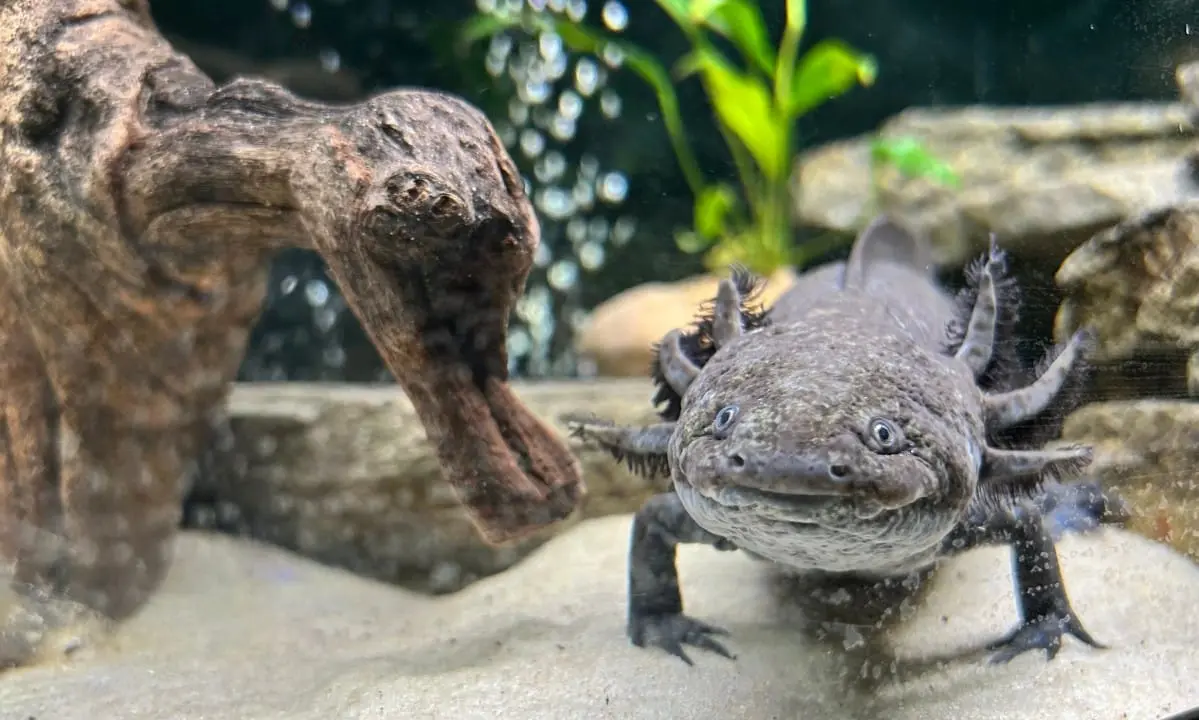
A complex reality is emerging in Mexico City, where the friendly axolotl, a salamander native to the region, has become the unofficial mascot of the World Cup, appearing on murals, subway trains and sculptures. However, this ubiquity of the amphibian image contrasts dramatically with its critical situation in the wild, where the species is on the brink of extinction, with scientists having not recorded a single wild individual in the last two years.
The allure of the axolotl as a symbol of the World Cup
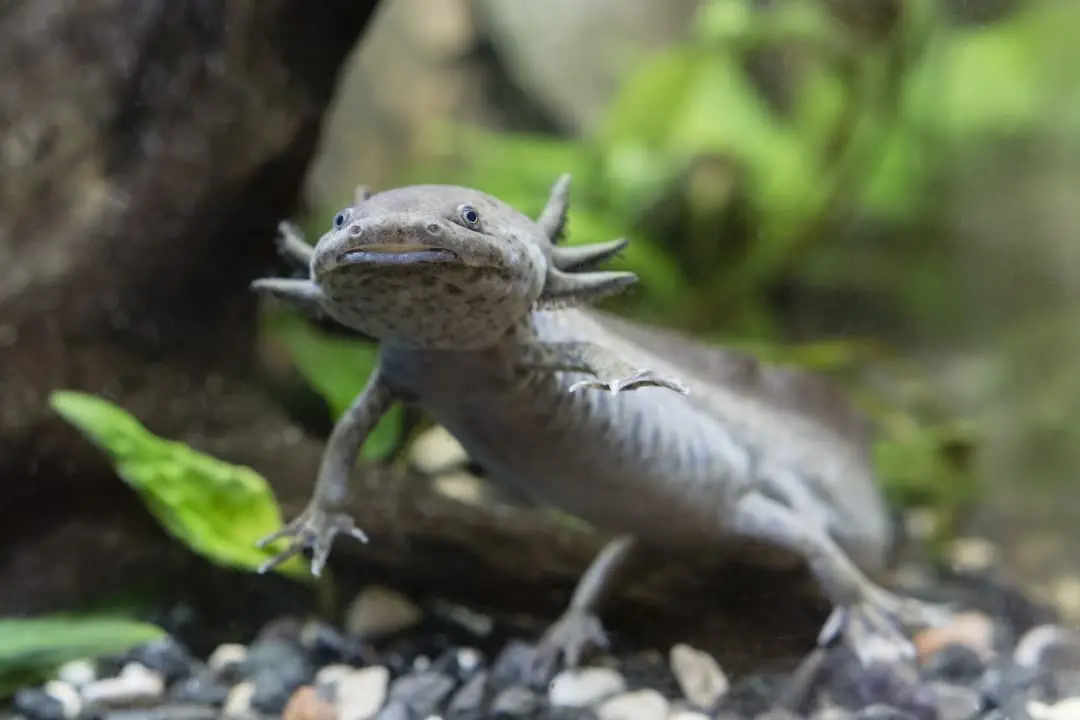
With its significant ability to regenerate limbs and organs, in addition to maintaining youthful characteristics throughout its life — a phenomenon known as neoteny — the axolotl (pronounced ah-sho-LO-tul) arouses great scientific and popular interest. Named after the Nahuatl word for “water monster,” this unique animal has become the face of the Mexican capital for the five World Cup games the city will host, including the opening match. The image of the axolotl dribbling a soccer ball spreads, seeking to captivate visitors and residents.
The worrying absence of the amphibian in its natural habitat
Despite its cultural prominence, the ecological situation of the axolotl is alarming. Researchers dedicated to counting these animals in their natural environment, the canals of Xochimilco, in Mexico City, reported the complete absence of wild specimens for two consecutive years. This finding underscores the critical threat faced by the species, calling into question conservation efforts and raising concerns about the future of one of Mexico’s most iconic animals.
“Axolotlization”: the controversy over the commercial use of the image
The extensive use of the axolotl image generated intense debate among the “Chilangos”, as the residents of Mexico City are known. Many criticize what they call “axolotlization”, arguing that the pop representation of the endangered animal serves to divert attention from urban problems in the capital, such as poor infrastructure and insufficient environmental protection measures. The controversy even generated a wave of memes on the internet, with giant, fictional axolotls invading the city, in satire on the trivialization of the problem. The local government, in turn, did not respond to the criticisms and questions.
Leia Também

Messi reaches 19 goals in FIFA World Cups with great free kick for Argentina in clash with Jordan

Cristiano Ronaldo shines beyond the pitch at the 2026 World Cup with business empire and family luxury

At 41, Cristiano Ronaldo reaffirms his historic legacy and prepares to shine in the 2026 World Cup
Challenges in preserving the species in Mexico
The axolotl’s fight for survival faces numerous obstacles. The sharp decline in its population is directly linked to the environmental degradation of its only remaining natural habitat, the Xochimilco canals.
- Water pollution:Dumping of sewage and industrial and domestic waste severely contaminates canals, making them unsuitable for aquatic life.
- Invasive species:The introduction of fish such as carp and tilapia, non-native species, created predatory competition. These fish compete for food with the axolotl and even feed on their eggs and young.
- Uncontrolled urbanization:Urban expansion and the consequent destruction of natural habitat reduce the space and resources available to the species.
The cry for concrete actions to protect the amphibian
Faced with the dichotomy between fame and the risk of extinction, the call for more robust conservation actions is growing. Ernesto Velázquez, a 19-year-old trader who sells axolotl toys in Chapultepec Park, expresses the hope that the visibility generated by the World Cup can raise awareness. He reports that some tourists even ask if the animal is edible, reinforcing the need for education about the importance of the species. The expectation is that the global event will inspire greater understanding and engagement in the cause, encouraging the protection of one of the most vulnerable and important symbols of Mexican biodiversity.