CBF begins round of negotiations to define new home for the Copa do Brasil and aims to raise billions of dollars
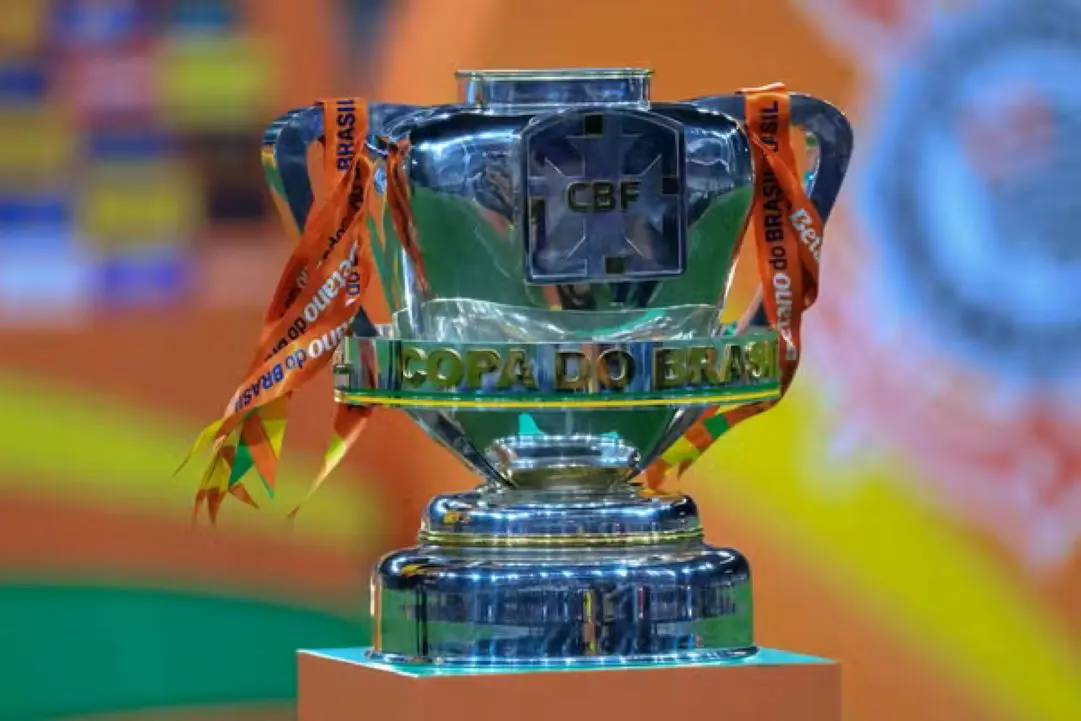
The Brazilian Football Confederation (CBF) formally began the negotiation process to determine future broadcasts of the Copa do Brasil, covering the period from 2027 to 2030. The federation extended invitations to important communication companies and digital platforms, which are now vying for the rights to show one of the biggest national tournaments.
Among the interested parties sought by the CBF, big names such as Globo, SBT, Record, Amazon, TNT Sports, Paramount and Disney stand out. The YouTube platform was also on the list of companies consulted throughout this process.
However, CazéTV was not included among those invited to participate in the proposals. Behind-the-scenes information reveals that the Brazilian Football Confederation indicated differences in relationship with Livemode, which is the partner company of the sports project headed by Casimiro Miguel.
The sports entity is seeking a four-season contract and projects unprecedented revenue. The most ambitious expectation is to exceed the figure of R$1 billion annually in broadcasting rights, a value that highlights the growing value of live football on the global media scene and the potential impact on the development of Brazilian clubs.
Currently, the Copa do Brasil generates approximately R$700 million per year for the CBF, coming from agreements with Globo and Amazon. This new targeted revenue level represents a substantial increase compared to the contract currently in force.
Leia Também
Messi reaches 19 goals in FIFA World Cups with great free kick for Argentina in clash with Jordan

Cristiano Ronaldo shines beyond the pitch at the 2026 World Cup with business empire and family luxury

At 41, Cristiano Ronaldo reaffirms his historic legacy and prepares to shine in the 2026 World Cup
Internal sources in the sector indicate that conversations should intensify between August and September, the period in which the Brazilian Football Confederation plans to finalize the commercialization of the rights.
CBF strategy foresees division of transmissions between different groups
The CBF’s strategy includes a segmented distribution of the competition’s broadcasting rights. The idea is that the winning groups have prior knowledge of the number of games they will be able to show, taking turns choosing the most prominent matches at each stage or round of the championship.
This format reflects a trend observed in other tournaments, both in Brazil and abroad, enabling the simultaneous presence of open TV channels, subscription channels and streaming services.
Proposed changes to the tournament format seek to increase its market value
The interest in increasing revenue is also linked to a restructuring plan for the Copa do Brasil. Among the changes considered by the entity is the expansion of the number of participants to more than 120 clubs.
Another proposal suggests that the four initial stages of the competition be played in a single game, intensifying the eliminatory nature of the duels from the first rounds of the championship.
Additionally, teams from Series A of the Brazilian Championship would only join the tournament from the fifth phase onwards. The grand final of the Copa do Brasil could also be changed, no longer having two matches to be decided in a single confrontation.