Component crisis drives high cost: Steam Machine has price revealed and arrives this month
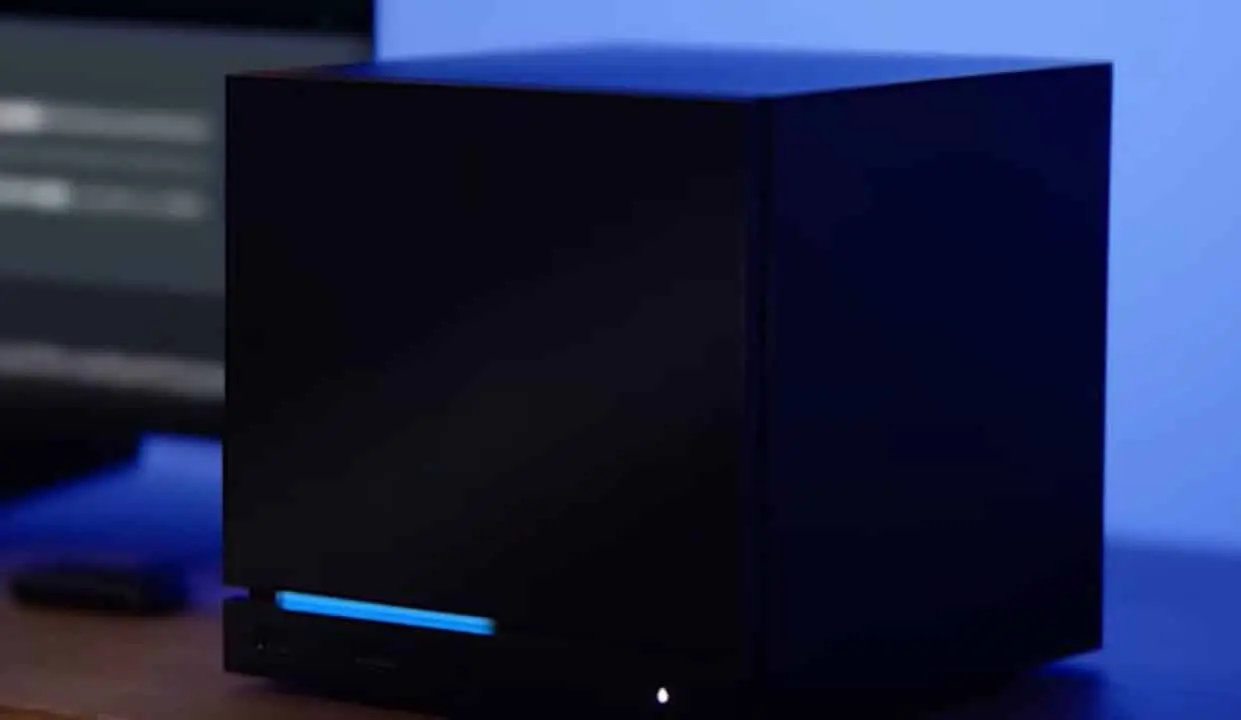
Valve has officially released the prices of the Steam Machine, with the entry-level version of the device costing US$1049, the equivalent of R$5,200, and offering 512 GB of internal space. For those looking for a more advanced configuration, a package that includes the updated Steam Controller, 2TB of storage and customizable faceplates will sell for US$1428, approximately R$7,200. It is important to highlight that the console will not be officially sold in the Brazilian market.
In addition to details about costs, the developer company also confirmed that shipments of the new device will begin later this month. Consumers who wish to purchase the product can now express interest through a waiting list, and communication to finalize the purchase will be made from June 29th.
Leia Também

Messi reaches 19 goals in FIFA World Cups with great free kick for Argentina in clash with Jordan

Cristiano Ronaldo shines beyond the pitch at the 2026 World Cup with business empire and family luxury

At 41, Cristiano Ronaldo reaffirms his historic legacy and prepares to shine in the 2026 World Cup
As anticipated and generating concern among enthusiasts, the launch value of the Steam Machine appears to be quite high. In a comparative analysis, a PlayStation 5 in the digital version is sold for US$599 in the United States. Although Valve’s console offers expanded capabilities of a computer, the amount invested raises the question whether building a custom gaming PC would not be a more viable alternative for some.
The unfavorable perception regarding price is directly attributed to the current crisis in electronic components, a scenario worsened by the growing use of artificial intelligence technologies. Increased demand for AI servers has significantly driven up the costs of essential items like RAM and storage units, directly impacting the final value of products like the new console.
The impact of the component crisis on other consoles on the market
The disruption in the technological sector has had consequences for all major console producers, evidenced by the price adjustments that PlayStation, Xbox and Nintendo have implemented on their products in recent months. There’s a strong likelihood that this upward trend will continue to influence the next generation of consoles, especially with the PS5 and Xbox Series approaching seven years on the market. Despite announcements of projects like Project Helix and discussions about the PS6 at Sony, the full release of these new systems still seems like a distant event.