Huawei Watch Fit 5 Pro reveals robust features and sophisticated design for everyday life
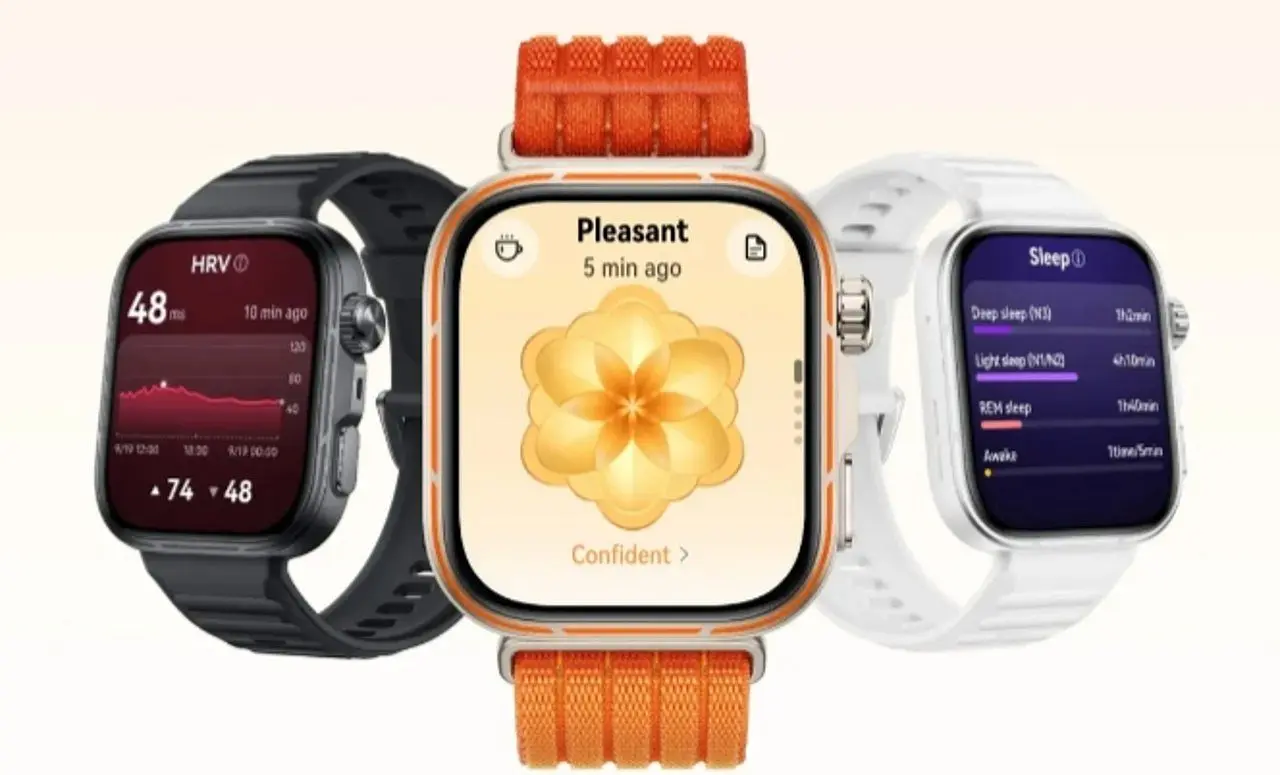
Launched on the Brazilian market in May, the Huawei Watch Fit 5 Pro appears as a complete option for users looking for a smart watch with advanced features. The device stands out for its high quality construction, a generously sized AMOLED screen, long battery life of up to ten days and wide compatibility with various smartphones available.
Designed to meet a wide range of needs, this device is positioned as a highly versatile accessory in the world of wearables. It aims to provide a comprehensive user experience, from recording routine physical activities to in-depth monitoring of health metrics, establishing itself as an essential tool for well-being and daily connectivity. Its hassle-free integration with multiple devices optimizes convenience for those looking for concentrated functionality.
Main design and screen features of the Huawei Watch Fit 5 Pro
This model is significantly differentiated by its case, made from aircraft-grade aluminum, which ensures lightness and resistance for continuous use. The bezel is constructed from titanium alloy, increasing durability, while the 2.5D sapphire display offers superior protection against scratches and impacts. The 1.92-inch FullView AMOLED screen delivers a maximum brightness of 3,000 nits, ensuring excellent readability even in strong lighting, and supports Always-on Display functionality.
Leia Também

Messi reaches 19 goals in FIFA World Cups with great free kick for Argentina in clash with Jordan

Cristiano Ronaldo shines beyond the pitch at the 2026 World Cup with business empire and family luxury

At 41, Cristiano Ronaldo reaffirms his historic legacy and prepares to shine in the 2026 World Cup
Advanced connectivity and device health monitoring features
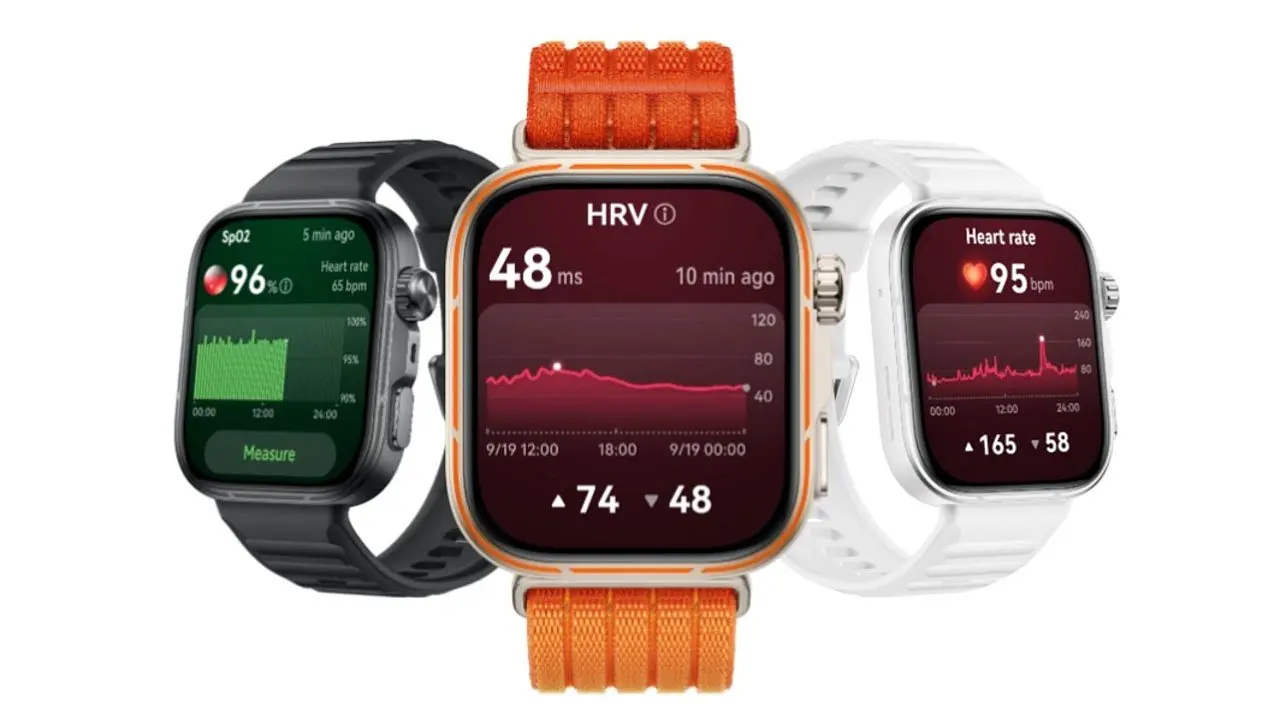
The watch’s compatibility extends to Android, iOS and HarmonyOS operating systems, providing great flexibility for different user profiles. It includes built-in GPS for accurate outdoor workout tracking and a battery that can last up to six days of typical use, up to ten days in lighter use conditions. Health monitoring functions include continuous heart rate monitoring, blood oxygen saturation (SpO2) measurement and sleep quality analysis, in addition to offering more than a hundred training modalities. A standout feature is cardiovascular monitoring using the electrocardiogram (ECG), which sends alerts for possible irregularities in the heart rhythm and provides estimates of arterial stiffness, offering a more complete picture of cardiac health.