Is Elon Musk a trillionaire? Expert explains: Musk’s fortune is a market bet on innovations and not cash
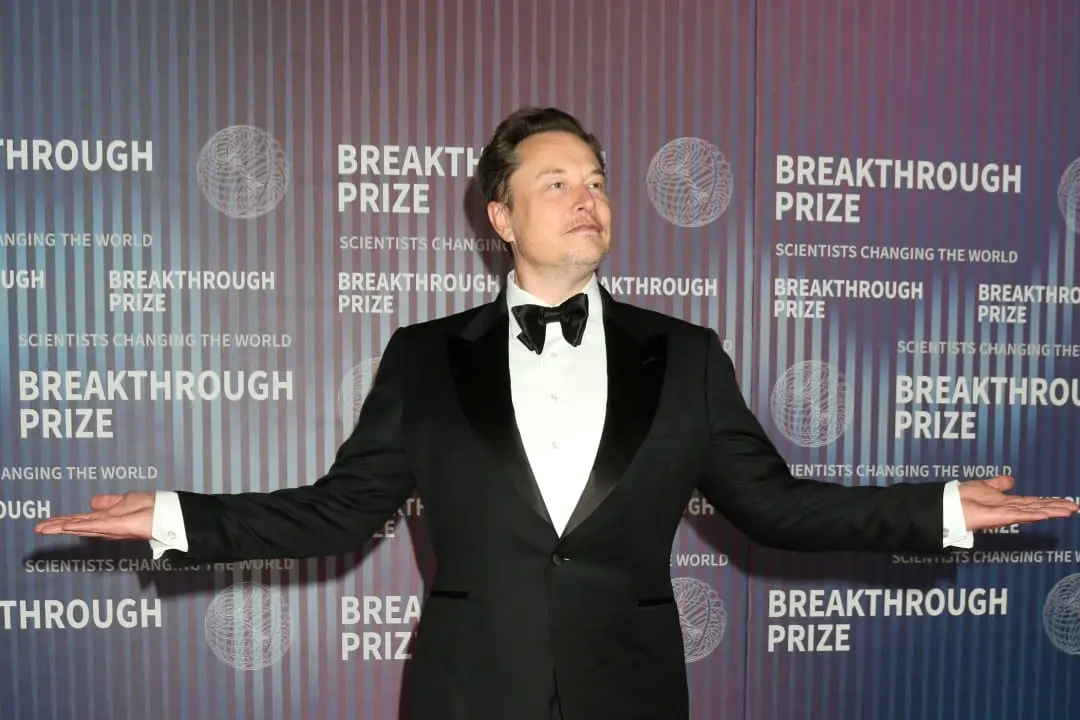
Recently, Elon Musk reached an unprecedented level, being recognized as the world’s first trillionaire. This feat occurred after SpaceX’s IPO, which raised a record amount of US$75 billion, raising the company’s valuation to around US$1.77 trillion. However, the real nature of this colossal heritage is questioned.
For Douglas McCormick, managing partner and chief investment officer at Oridian Capital Partners, the extent of Musk’s wealth is more intricate than it appears. In an article published in Fortune magazine, the investor argues that the businessman’s fortune cannot be equated with monetary resources available in the account, but rather with a massive market projection of what is to come.
According to McCormick’s analysis, the majority of Musk’s capital is found in equity stakes in the corporations he commands. This means that their wealth is fundamentally “on paper”, directly linked to investors’ confidence in ambitious projects such as the colonization of Mars, the development of fully autonomous vehicles and the creation of humanoid robots.
“Musk’s fortune does not represent a treasure trove. It is, in fact, a metric of the innovation that has already been delivered and that which still needs to be realized”, details McCormick in his text.
Leia Também

Messi reaches 19 goals in FIFA World Cups with great free kick for Argentina in clash with Jordan

Cristiano Ronaldo shines beyond the pitch at the 2026 World Cup with business empire and family luxury

At 41, Cristiano Ronaldo reaffirms his historic legacy and prepares to shine in the 2026 World Cup
The manager emphasizes that the billion-dollar valuations of companies like SpaceX and Tesla predominantly reflect future expectations, and not historical results. If these projects do not progress according to market expectations, a significant portion of this equity could quickly evaporate. This scenario would not be unprecedented: Tesla, for example, saw its market value decline by more than US$800 billion in 2025, before recovering.
McCormick also addresses criticism of the large concentration of capital. He maintains that Musk can only preserve his fortune by continuing to develop products and technologies that effectively generate economic value. “He does not get rich by extracting resources from society, but by producing for it”, points out the investor.
Still, the expert recognizes that the extensive power accumulated by Musk in areas such as space exploration, artificial intelligence, satellite systems, electric vehicles and communication demands regulatory oversight. However, he argues that the solution must emerge through competitiveness and legislation, and not through a mere challenge to the volume of wealth.