Leak reveals that Google Pixel cell phones will be able to record and transcribe users’ daily audio

Google Pixel smartphones are about to receive an update that could radically transform the way users interact with their surroundings and their own personal data. Investigators from the specialized portal 9to5Google carried out a thorough scan of internal files from test versions of the operating system and discovered traces of an unprecedented tool provisionally named Audio Memory. The main objective of this application would be to keep the device in a constant state of alert to capture, process and organize the sound events that occur during the device owner’s routine.
The discovery occurred after analyzing lines of code embedded in the most recent version of Android System Intelligence, the core responsible for managing the intelligent features of the search giant’s devices. Unlike traditional voice recorders that require manual activation, the new design would operate in the background, creating a kind of auditory timeline. This acoustic database would allow the user to retrieve lost information throughout the day, turning the phone into a relentless memory assistant.
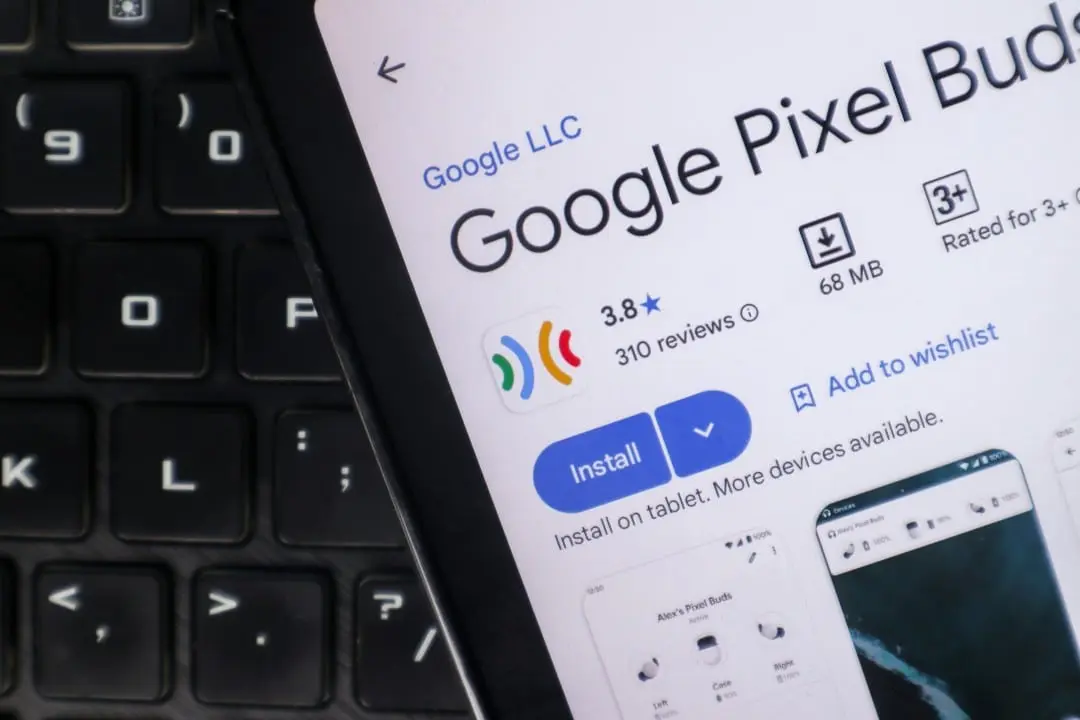
Evolution of musical recognition and ambient capture
The manufacturer already has a consolidated history with passive listening tools, but the new proposal takes the concept to a much more complex level. Currently, owners of the brand’s devices use the Now Playing feature, which identifies songs playing in the environment completely offline and displays the artist’s name directly on the lock screen. The newly discovered code indicates that Audio Memory will absorb this function, naming it Music Recognition, but expand its usefulness by cataloging these tracks into a detailed history within a dedicated application.
Hardware experts point out that the feasibility of keeping a microphone always active without draining the cell phone’s battery quickly is due to the Tensor processors, developed by the company itself. These chips have cores focused exclusively on low-power machine learning. This means that the device can listen to the environment for hours on end, separating irrelevant noise from useful information, without compromising the equipment’s autonomy or requiring a constant internet connection for initial processing.
Transcribing dialogues and creating automatic reminders
The project’s most ambitious technological leap, however, moves away from musical entertainment and into the field of personal productivity. Fragments of the programming indicate that the system’s intelligence will be trained to recognize human speech and isolate excerpts of conversations that may contain crucial information. The idea is that the software can distinguish an informal chat from an important instruction, such as scheduling a meeting or mentioning a specific address.
To make this data useful, the operating system would apply a high-precision automatic transcription layer. Spoken words would be converted to text instantly, generating written notes in the user’s notebook or creating calendar alerts. If a person mentions during lunch that they need to deliver a report by Friday, the cell phone would theoretically understand the context and suggest creating an alarm, eliminating the need for manual typing.
How the new Android system tool should work in practice
Although the official announcement has not yet occurred, reverse engineering of the application revealed the central pillars of how the new feature will operate in consumers’ daily lives. The code structure suggests an ecosystem focused on automating audio-based tasks.
Leia Também

Messi reaches 19 goals in FIFA World Cups with great free kick for Argentina in clash with Jordan

Cristiano Ronaldo shines beyond the pitch at the 2026 World Cup with business empire and family luxury

At 41, Cristiano Ronaldo reaffirms his historic legacy and prepares to shine in the 2026 World Cup
- Continuous monitoring of sound frequencies to identify music and media played in public places.
- Instant conversion of spoken conversations into searchable blocks of text within your phone’s storage.
- Extract contextual data, such as dates, times and locations, for direct integration with calendar and productivity applications.
- Local processing of audio information to avoid massive uploading of raw recordings to cloud servers.
These characteristics show a clear effort by the developer to create a virtual assistant that is proactive, anticipating the individual’s needs before they even need to formulate a traditional voice command. The unique application interface would serve as a control panel, where the sound history could be reviewed, edited or deleted with a few taps on the screen.
The privacy challenge and the need for explicit consent
The implementation of technology capable of recording everyday life raises profound debates about information security and digital ethics. It is not yet clear from the leaked files whether voice capture will only work during phone calls or whether it will cover face-to-face dialogues with third parties. Recording people without their knowledge comes up against strict legislation in several countries, which imposes a significant legal barrier to the global launch of the functionality.
To overcome this obstacle, requiring explicit consent will be the central piece of the puzzle. Users will likely have to go through detailed setup screens, accepting the terms of use and authorizing unrestricted microphone access. Public acceptance will directly depend on the company’s transparency in proving that third parties, hackers or even government agencies will not have access to this intimate and continuous database.
Integration with Gemini artificial intelligence and the future of the brand
The development of Audio Memory does not occur in isolation, but rather as part of a broader strategy involving Gemini artificial intelligence. The company’s language model already has advanced memory capabilities, using search history, exchanged emails and stored photographs to deliver highly personalized responses. Adding the audio dimension to this profile would create a digital assistant with a near-complete understanding of the user’s life.
To date, the tool remains locked in research and development laboratories, with no forecast of reaching the consumer market. If the board decides to move forward with the rollout, the tech industry expects the introduction of extremely robust privacy dashboards. The protection of this sensitive data will need to surpass current standards, ensuring that the convenience of having an infallible digital memory does not come at the cost of the fundamental privacy of those who carry their smartphones in their pockets.