New information about the Galaxy S27 warns about the maintenance of cameras in the standard model
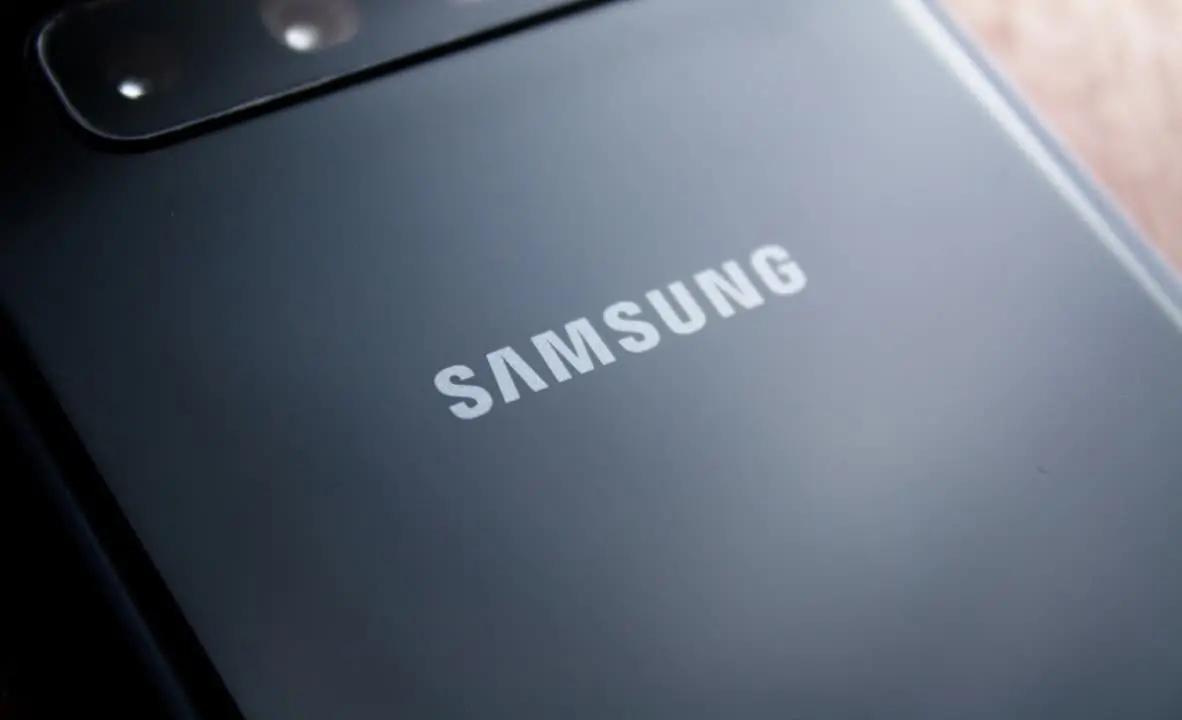
The development cycle for the future Galaxy S27 line is already activating the global supplier network, but initial indications may disappoint photography enthusiasts. Confidential industry data suggests that Samsung plans to be cautious with the flagship model of its premium series in 2027, maintaining the same camera components from past generations.
If this prediction is confirmed, the device will complete the sixth year in a row with the South Korean company improving the same optical hardware platform. Evolution would then be centered on software improvements, image signal processors (ISPs) incorporated into new chipsets and advances in artificial intelligence algorithms.
Rumors about the Galaxy S27’s photography hardware
Speculation gained strength after informant Lanzuk published on Naver about the absence of current contracts for new screen and photography modules for the entry-level premium category device. Historically, when a company designs a technological innovation, the production of semiconductors and lenses shows movement almost a year in advance. However, for the conventional Galaxy S27, the current outlook is calm.
Experts indicate that rising values of key parts – such as NAND flash memory chips and advanced processors made with 2-nanometer lithography – have led Samsung to control expenses in sectors where software can offset existing hardware technology. The immediate consequence of this decision is the maintenance of the current sensor system.
If the development tactic does not change by the beginning of 2027, the Galaxy S27 will incorporate technical specifications already familiar to the global market. The primary camera is expected to contain a 50 MP sensor with dimensions of 1/1.56 inches, an f/1.8 lens and optical image stabilization functionality.
Leia Também

Messi reaches 19 goals in FIFA World Cups with great free kick for Argentina in clash with Jordan

Cristiano Ronaldo shines beyond the pitch at the 2026 World Cup with business empire and family luxury

At 41, Cristiano Ronaldo reaffirms his historic legacy and prepares to shine in the 2026 World Cup
As for the other modules, the manufacturer plans to maintain the 10 MP telephoto camera with 3x zoom and the 12 MP ultrawide camera with a 120-degree viewing angle. Although the 50 MP main sensor offers satisfactory clarity in current versions, it is notable that direct competitors have invested heavily in larger physical components, reaching 1 inch, including in smartphones that are not in the “Ultra” or “Pro” lines. This highlights a growing trend in the market to differentiate high-end products by the raw capability of the photographic hardware, rather than just software optimization.
The power of software and artificial intelligence in cameras
The simple reuse of sensors does not imply that the Galaxy S27 will produce images identical to those of the current model. The mobile phone industry has reached a stage of development where physical sensor performance shares importance with central processor capacity. With the arrival of platforms such as the upcoming Snapdragon chip or the new 2-nanometer Exynos versions, existing photographic hardware may have its useful life extended in the premium segment.
This extension of technological lifespan is supported by noise reduction techniques that employ neural networks to process individual pixels in real time, before final image compression. Additionally, the system will incorporate advanced semantic segmentation, capable of identifying skin textures, fabrics and environmental elements in isolation, applying personalized sharpness and color balance adjustments to each area.
Samsung’s strategy for “Pro” and “Ultra” models
Another essential feature will be multi-frame HDR, which processes multiple photos taken simultaneously with different exposure times to prevent excess glare in complex lighting environments. This choice to maintain the photographic hardware without major changes seems to be part of a larger strategy of reorganizing the product portfolio. Information indicates that Samsung intends to launch a new Galaxy S27 Pro next year, establishing a clear distinction between the models’ features.
Enquanto a versão padrão mantém as mesmas lentes, as especulações sugerem que os modelos Pro e Ultra devem ser equipados com um sensor principal renovado de 200 MP, possivelmente o ISOCELL HP6 de 1/1,3 polegada, além de melhorias na lente ultrawide. This segmentation tactic aims to direct users who prioritize advanced photography to the higher-value segments of the line, positioning the basic Galaxy S27 for those looking for a balance between portability and general performance.
Possible features of the Galaxy S27, according to industry rumors
- 6.3-inch Dynamic AMOLED 2X screen with FHD+ resolution
- LTPO display with 120 Hz refresh rate
- Samsung Exynos 2700 Platform
- 12GB RAM
- 256GB or 512GB of internal storage
- 12 MP front camera
- Three rear cameras:
* Main lens with 50 MP sensor (OIS)
* Ultrawide lens with 12 MP sensor
* Telephoto lens with 10 MP sensor
- 5G connection, Wi-Fi 7, Bluetooth 6.0 and NFC
- IP68 certification
- 4,500 mAh battery with 45 W charging
- Android 17 under One UI 9.5