Nintendo details hardware for its next console and announces new exclusive games for launch
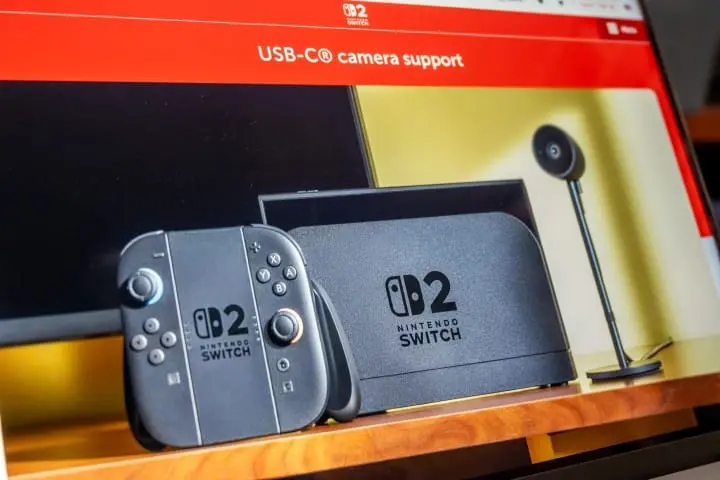
Japanese giant Nintendo has ended months of speculation by officially releasing the technical specifications of its next video game platform. During a statement aimed at investors and the general public, the company confirmed that the long-awaited successor will maintain the popular hybrid nature, allowing seamless transition between portable mode and connection to the television, in addition to ensuring full support for previous generation titles.
To avoid the frustration common in generation changes, the transition to the new ecosystem was planned gradually. The manufacturer has ensured that the digital libraries built by players over the past few years will remain intact and accessible on the new device.
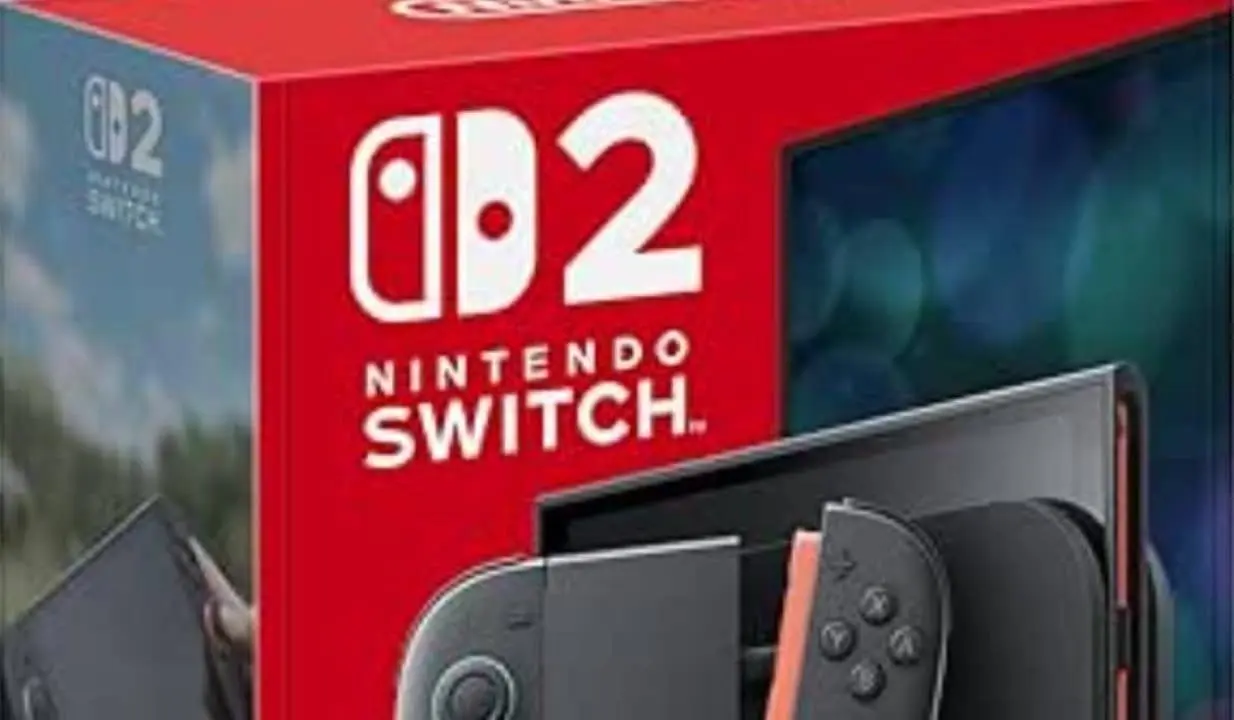
Among the technological innovations highlighted by the Kyoto company, the main advances include:
- Advanced upscaling system for native 4K resolutions when connected to the base.
- Improved architecture for backwards compatibility of physical and digital media.
- Completely redesigned controls with high-precision haptic feedback technology.
- Massive expansion of the catalog of classic games offered on the online service.
Leap in graphics performance and use of artificial intelligence
The heart of the new hardware relies heavily on artificial intelligence technologies for image optimization, using an upscaling method similar to DLSS to deliver 4K graphics in docked mode. When disconnected from power, the system intelligently manages processing to preserve battery life without sacrificing the visual fluidity that the developers originally intended.
With the substantial increase in pixel count, the device also breaks frame rate barriers, supporting up to 120 frames per second in optimized software. This improved fluidity aims to attract the competitive audience and brings the portable experience closer to the demanding standard seen on competing desktop consoles, such as the PlayStation 5 and Xbox Series X.
Preservation of old libraries and backward compatibility
One of the community’s biggest fears was resolved with the confirmation that current cartridges will work natively in a dedicated slot on the new casing. The company has assured that the migration process will only require logging into the existing user account, instantly transferring purchase history and data saved in the cloud.
When running on updated hardware, the back catalog will benefit from automatic performance improvements, known in the market as boost mode. Titles that previously suffered from performance drops will now run with stabilized frame rates and drastically reduced loading times, thanks to the new internal storage architecture.
Partner studios have already received the development kits and are preparing free updates to make the most of the new chip in games already released. The expectation is that great hits from recent years will receive high definition texture packs right in the device’s launch window, prolonging the life cycle of renowned works.
New titles that will accompany the arrival of the device
The Japanese giant’s sales strategy has always depended on strong software, and the reveal of the initial catalog did not disappoint fans of classic RPGs. The main highlight of the presentation was the announcement of “Dragon Quest VII Reimagined”, a remake built from scratch with the new graphics engine that promises to explore the console’s full dynamic lighting potential.
Another moment that caught the attention of investors was the screening of “Mario Tennis Fever”, focused on demonstrating the new collision physics and anime-style visuals. The sports title will serve as the main technical showcase for real-time processing capabilities, calculating complex trajectories without on-screen stuttering.
Leia Também

Messi reaches 19 goals in FIFA World Cups with great free kick for Argentina in clash with Jordan

Cristiano Ronaldo shines beyond the pitch at the 2026 World Cup with business empire and family luxury

At 41, Cristiano Ronaldo reaffirms his historic legacy and prepares to shine in the 2026 World Cup
Support from external producers was also ensured for the first weeks of the product’s life, guaranteeing genre diversity. High-budget sports simulators like “PGA TOUR 2K25” will have native versions available on day one, integrating global multiplayer modes with dedicated servers.
To avoid the dreaded periods of no news that haunted past generations, the publishing schedule was structured to deliver at least one big-budget release every quarter. This cadence aims to keep consumer engagement high and ensure a constant cash flow for retail stores around the globe.
End of drift and innovations in detachable controls
The control peripherals have undergone a severe ergonomic redesign, abandoning the straight design in favor of curves that better adapt to adult hands. The introduction of advanced linear actuators will allow players to feel virtual textures, such as the difference between walking on sand or ice, taking immersion to a new level for the brand.
Responding to a long-standing request from the racing game community, pressure-sensitive analog triggers have finally been incorporated into the design. Furthermore, the manufacturer adopted Hall Effect magnetic sensors in the directional sensors, a technology that eliminates physical wear and tear on parts and definitively solves the infamous analogue deviation problem that generated million-dollar lawsuits in the previous generation.
Complete overhaul of the online subscription service
The network infrastructure will undergo a profound restructuring, unifying the online store and subscription benefits into a more agile interface. Premium package subscribers will receive immediate access to a native library of GameCube classics, running at enhanced resolution and supporting internet multiplayer matches.
The dedicated app will also receive improvements to cloud communication protocols, allowing games that are too heavy for local hardware to be streamed with minimal latency. This expansion of streaming aims to attract titles from Western studios that would not normally be ported to platforms with thermal limitations.
Aggressive pricing strategy to dominate the market
In the international market, the equipment will hit shelves with a suggested price of US$449.99, a significant jump compared to the US$299.99 charged for the original Switch in 2017. To justify the value and build an installed base quickly, the company will absorb part of the manufacturing costs in the first few years, operating with minimal profit margins on hardware to profit from massive software sales.
Public testing and data collection before manufacturing
Before starting mass production, the company will organize an in-person experimentation tour in the main capitals of the world. Selected fans will have 80 minutes to test the new tactile features in a modified version of “Super Mario Bros. Wonder”, created exclusively to demonstrate the fluidity of the new screen.
More than a simple marketing action, these events will act as a real-time usability laboratory. Software engineers will monitor public interaction with the new operating system interface, seeking to refine navigation and eliminate potential bottlenecks before the final product is packaged and shipped to global distributors.