According to American authorities, the estimate is 10,000 to 100,000 dead in the 7.5 magnitude earthquake in Venezuela
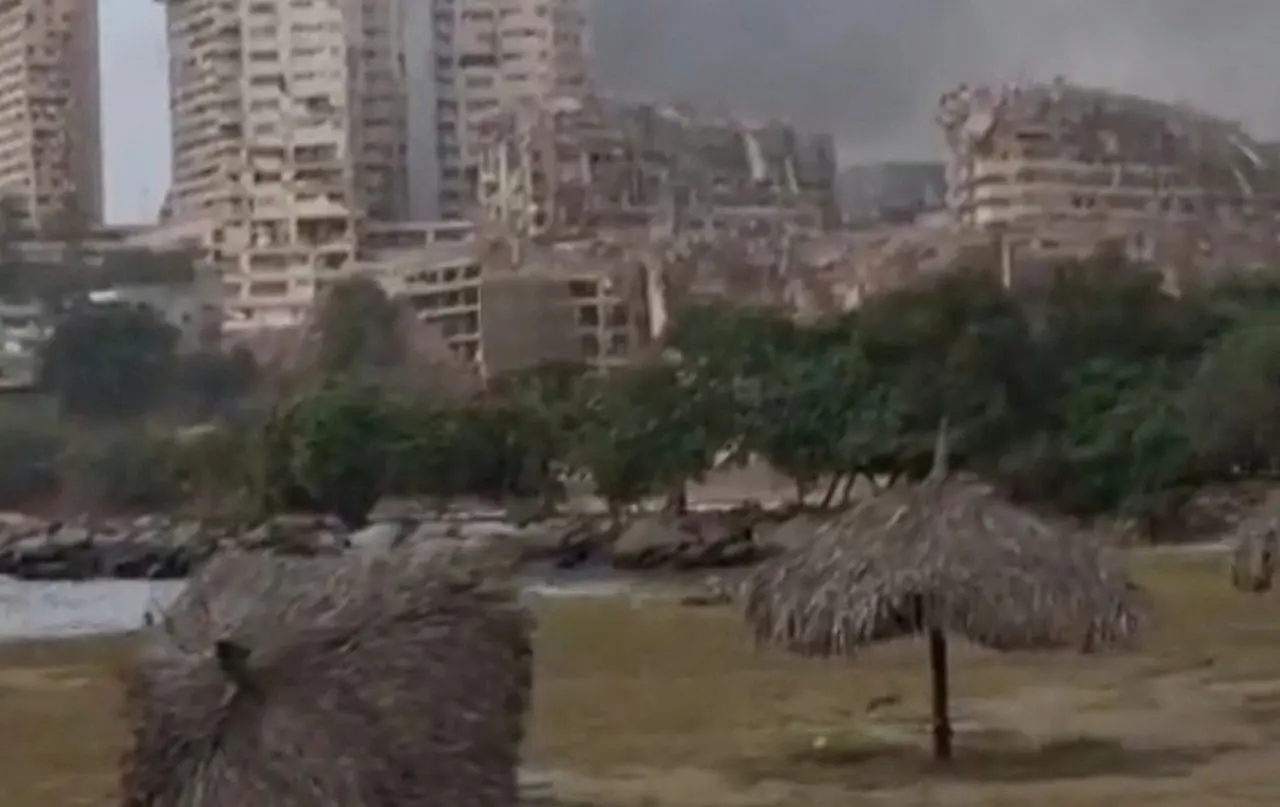
Two intense earthquakes hit the Venezuelan capital of Caracas, generating an alarming estimate of victims by American authorities, who project between 10,000 and 100,000 deaths. The tremors, with magnitudes of 7.5 and 7.2, caused considerable destruction in Venezuela and had their reflections felt hundreds of kilometers away, reaching the north of Brazil, specifically in the state of Pará, late in the night of June 24, 2026, around 11:03 pm Brasília time.
Although there is no official death toll from Venezuela, rescue operations are already underway in Caracas, searching for survivors under the rubble. The scale of the catastrophe is worsened by uncertainty about the exact number of people affected, indicating a scenario of great devastation and a significant humanitarian challenge.
Grim forecast: estimate of deaths in Venezuela scares authorities
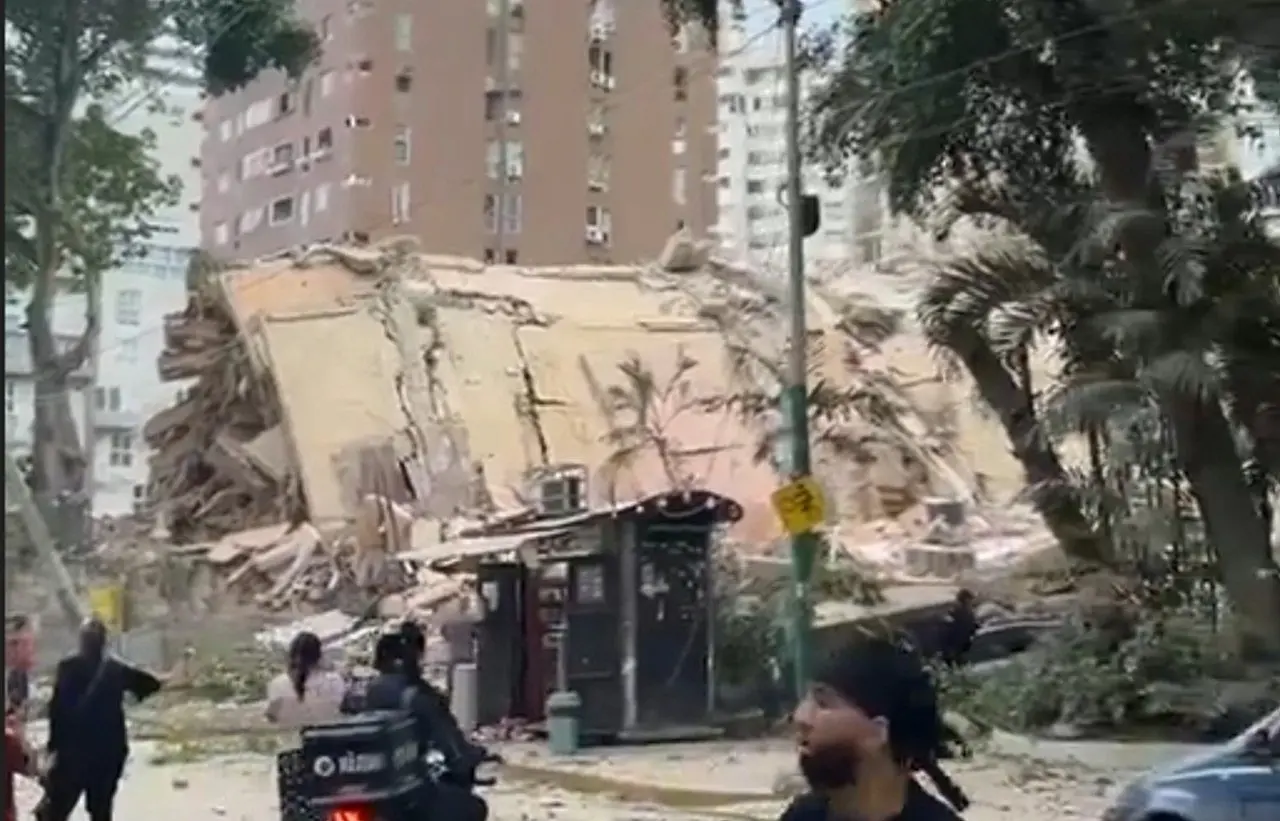
The projection of such a high number of deaths, ranging from 10,000 to 100,000 victims, was released by American authorities and highlights the seriousness of the seismic events in Venezuela. The difference between the magnitudes of the two tremors, 7.5 and 7.2, suggests a sequence of shocks that may have amplified structural damage and the collapse of buildings in the capital. The fear is that infrastructure has not withstood the repeated force of the tremors.
The Venezuelan capital is a densely populated region, which raises concerns about security and response capacity in the face of a natural disaster of such proportions. The scenes of destruction mix with the urgency of rescue work, where teams struggle to locate people under the rubble, amidst a chaotic scenario and great uncertainty about the near future. The lack of concrete official information intensifies global apprehension about the full extent of the tragedy.
The American estimate, by presenting such a wide margin, reflects the initial difficulty of assessing large-scale damage and the complexity of ongoing search and rescue operations. The infrastructure of many South American cities, including Caracas, may not be fully prepared to withstand earthquakes of such intensity, which increases the number of fatalities and injuries. The international community is closely following developments, aware of the need for humanitarian and technical support for the recovery of the neighboring country.
Tremors are felt in Brazil and cause apprehension in Pará
The effects of the Venezuelan earthquakes went beyond the country’s borders, being felt intensely in several cities in Pará, in the North of Brazil. Residents of Belém, the capital of Pará, and Santarém, in the southwest of the state, reported moments of panic and recorded the tremors through videos that circulated on social media. The distance between Venezuela and Pará demonstrates the power of the earthquake and its propagation capacity.
The feeling of instability led many to believe that it was a local earthquake, generating a wave of fright and confusion. In several homes, chandeliers, objects and furniture began to visibly sway, drawing attention to the intensity of the seismic phenomenon. The experience, unusual for most people from Pará, caused an immediate reaction of concern and search for safety in a time of uncertainty.
Leia Também

Messi reaches 19 goals in FIFA World Cups with great free kick for Argentina in clash with Jordan

Cristiano Ronaldo shines beyond the pitch at the 2026 World Cup with business empire and family luxury

At 41, Cristiano Ronaldo reaffirms his historic legacy and prepares to shine in the 2026 World Cup
Video recording by residents illustrates the psychological impact of the event, which, even without causing direct destruction in Brazil, generated an alert and a remarkable experience for the population. The perception of tremors so far from the epicenter refers to the complexity of the region’s geology and the capacity of large earthquakes to affect vast areas, even those considered to be at lower seismic risk.
Quick response in Santarém avoids major incidents
In Santarém, the response to the earthquake was quick and organized, demonstrating the readiness of local authorities to deal with emergency situations. Residents of at least four buildings in the city, upon noticing the shaking of objects and the shaking of the ground, decided to evacuate their properties preventively. This conscious decision helped keep many families safe at a time of widespread apprehension in the region.
The Fire Department was immediately called to check the situation of the buildings and ensure structural safety. After detailed inspections, firefighters confirmed that there was no structural damage to the buildings inspected. The technical assessment allowed residents to receive authorization to return to their apartments, alleviating fear and reestablishing normality, even though the scare remained in the inhabitants’ memories.
The effectiveness of the response in Santarém is an example of how communication and quick action can mitigate risks, even in the face of an unforeseen event. The absence of significant damage and the permission for the safe return of residents contrast with the uncertainty and devastation in Venezuela, reinforcing the importance of safety protocols and a culture of prevention to deal with natural phenomena.
Reflections of a cross-border disaster in South America
The earthquakes that devastated Venezuela and whose effects were felt in Brazil expose the reality that natural disasters do not recognize geographic borders. South America, with its complex geology, is a region subject to seismic activity, and events of this magnitude serve as a stark reminder of human vulnerability to the forces of nature. The interconnection of countries in the region means that the tragedy of one neighbor can reverberate in another, whether through humanitarian ties or through the physical spread of the phenomena.
The projection of such a high number of victims for Venezuela is not just statistical data; represents a humanitarian crisis of gigantic proportions, requiring a coordinated rescue and assistance effort. Rebuilding cities and restoring the lives of those affected will be arduous and long-term tasks. While Venezuela faces the epicenter of its pain, Brazil, feeling the tremors, connects to the dimension of the disaster and joins, in solidarity, the mourning and regional concern.
This scenario reinforces the importance of international cooperation and the exchange of knowledge on disaster management between South American countries. The ability to predict, react to and recover from seismic events is crucial to the security and development of the region. The memory of the swinging chandeliers in Pará, far from the destruction, serves as a tangible link to the immense catastrophe unfolding in the neighboring nation.