British woman sparks debate by removing towels from ‘reserved’ sunbeds at hotel pool
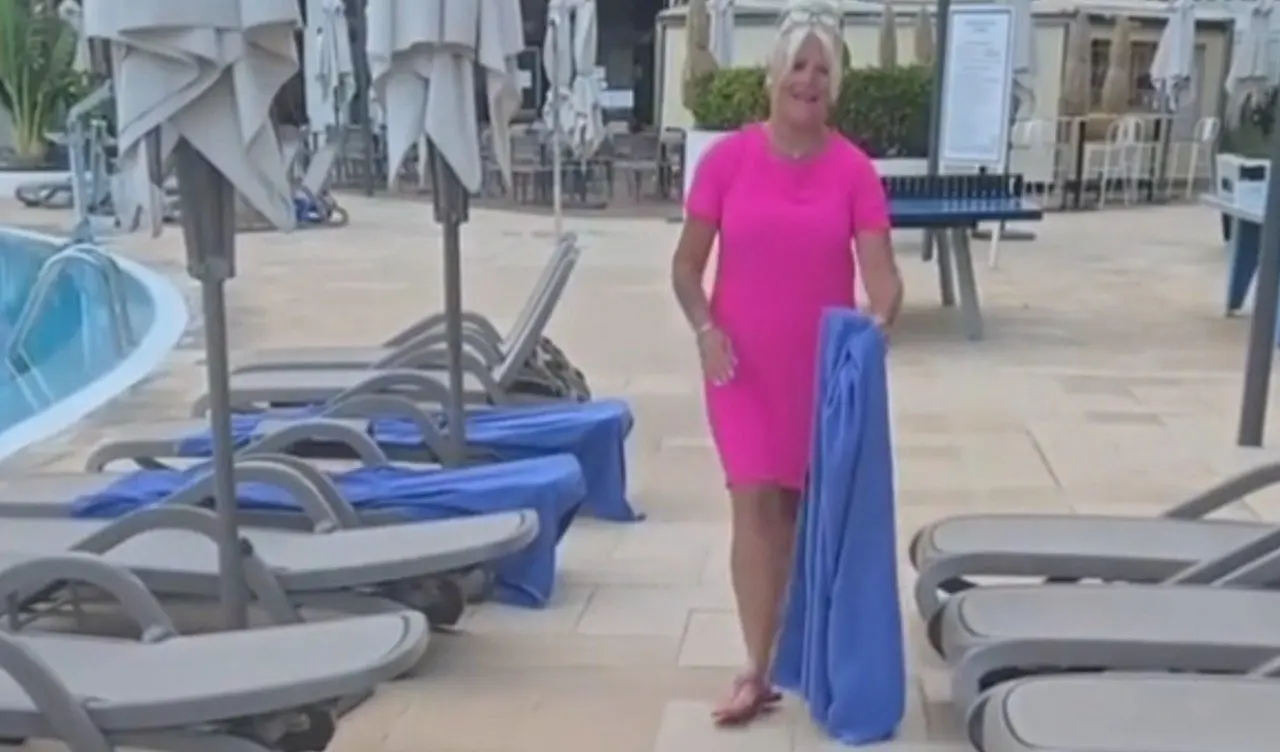
An action by a British tourist gained great repercussion online, after a video of her removing towels from empty sun loungers by a pool went viral. The unusual episode reignited an old argument among travelers about the practice of “reserving” seats in advance at resorts and cruises. The incident, which quickly spread across X, divided opinions and racked up millions of views.
The video record that sparked controversy on X
The recording, released on the profile @unlimited_ls, shows the woman collecting several towels from unoccupied sun loungers around a swimming pool. Then she throws them on the floor, freeing up the seats that were supposedly reserved. The scene attracted almost four million views and provoked a wave of intense comments on the platform.
The person who published the original video explained that the tourist’s motivation was due to the observation that guests occupied the best seats early in the morning. They would mark the loungers with towels, often secured with clothespins, and then disappear for long periods. This conduct left those who wanted to use the chairs immediately without an option.
The problem of “reservations” in resort leisure areas
The issue of “reserved” sun loungers is a fairly common complaint in holiday destinations. Many tourists face the frustration of finding empty but “marked” seats that remain unused for hours on end. This situation often leads to conflicts and dissatisfaction, as access to leisure spaces is limited.
Several comments on the viral video reinforced this perception of the problem. One internet user, for example, reported a similar experience at a RIU resort in Aruba, where chairs were reserved at 4am and remained empty for most of the day. Another user mentioned that the same thing happens on cruise ships, where “all the seats are already ‘towel clean'” by 7am.
Leia Também

Messi reaches 19 goals in FIFA World Cups with great free kick for Argentina in clash with Jordan

Cristiano Ronaldo shines beyond the pitch at the 2026 World Cup with business empire and family luxury

At 41, Cristiano Ronaldo reaffirms his historic legacy and prepares to shine in the 2026 World Cup
The division of opinions on the guest’s initiative
The majority of reactions to the video were in support of the British tourist’s attitude. Many users defended the woman, arguing that she was correcting selfish and unfair behavior. For these, the greed of some guests to monopolize the best seats justifies direct intervention.
However, a portion of commentators, while agreeing with the reason behind the action, questioned the way it was conducted. Critics pointed out that the tourist should have approached hotel staff instead of acting on her own. The message, for them, was valid, but the method could create problems for the guest herself, in addition to involving other people’s property.
The importance of intervention by establishment management
The incident raises a crucial point about the management of common spaces in accommodation establishments. The responsibility for ensuring equity and good use of the facilities lies with the management of the hotel or cruise. Lack of clear regulation or staff inaction encourages “booking” conduct and undermines the experience of other guests.
Commentators emphasized that it is not the role of tourists to inspect or move other people’s property. Customer frustration with the practice of reserving sunbeds is legitimate, but the correct way to resolve the issue would be to complain to management. A clear policy and active oversight by staff could prevent such confrontations and ensure that all guests have fair access to resources.
Strategies for hotels to deal with sun lounger use
To avoid similar situations and ensure a positive experience for all guests, hotels can take some proactive measures. Clear communication of rules about maximum unoccupied “booking” time is an essential first step. Informing guests about policies helps set expectations and avoid misunderstandings.
Additionally, hotel staff may actively monitor pool areas, removing towels from loungers that remain unoccupied for a pre-determined period of time, typically between 30 minutes to an hour. This discreet but firm supervision can discourage monopolization and promote fair sharing of spaces, contributing to a more harmonious environment.