

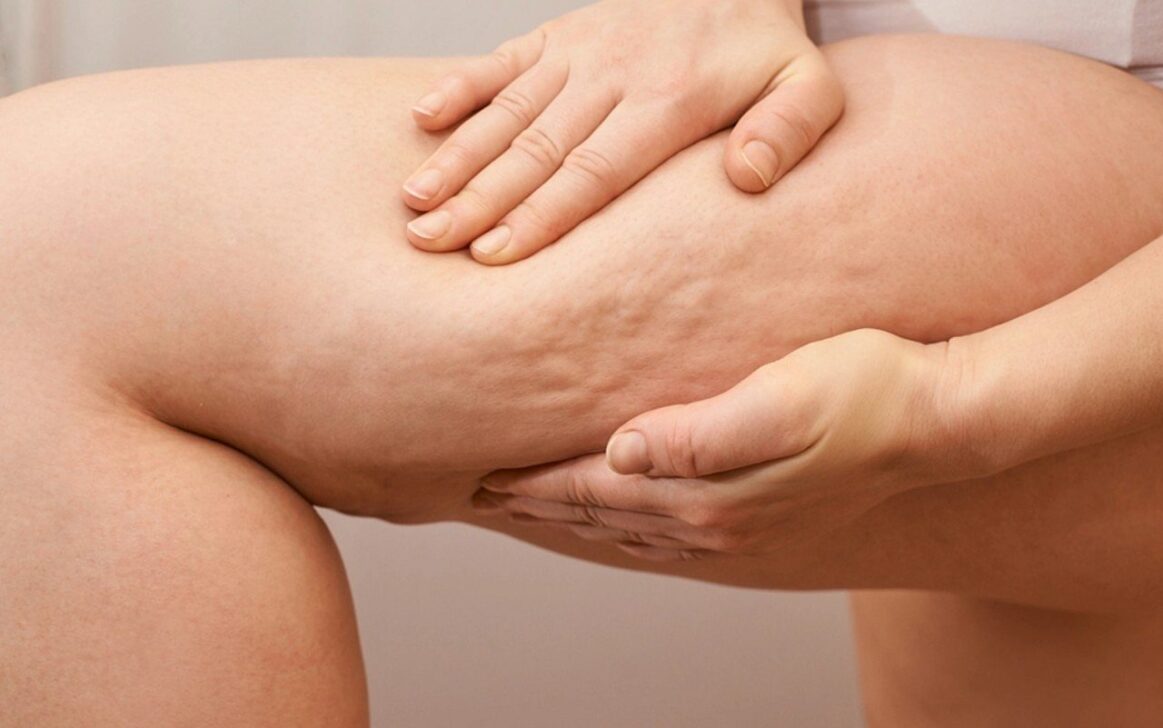
Women dedicated to regular training, who follow a balanced diet and maintain a lifestyle that is widely considered healthy, often face the frustration of observing the presence of cellulite. In a social scenario where fitness culture is intensified by digital platforms, these ripples in the skin are often mistakenly attributed to the lack of discipline, ignoring that their manifestation does not depend solely on weight, exercise or diet.
Doctor Roberto Chacur, a recognized expert in body aesthetics and creator of the GoldIncision protocol, an internationally award-winning cellulite treatment, highlights that this connection between cellulite and lack of dedication is a persistent misconception. He points out that the idea of an active body without cellulite can generate an unjustified feeling of guilt in patients.
“Cellulite is not limited to fat accumulation, lack of training or neglect of the body. It involves a complex interaction of structural changes in the skin, genetic predispositions, hormonal fluctuations, circulatory issues and the unique characteristics of each tissue”, explains Chacur. He adds that a woman can have a daily exercise routine, a strict diet, be thin and muscular, and still develop cellulite, making the charge for “discipline” technically incorrect and quite unfair.
This perception is greatly influenced by the way bodies are presented on social media. Carefully lit images, strategic poses, the use of filters and digital edits promote an ideal of always smooth and uniform skin, which rarely reflects reality. This discrepancy contributes significantly to the anguish of women who, despite adopting healthy habits, continue to notice irregularities in their skin.
Despite the numerous benefits that physical activity provides, such as improving circulation and muscle toning, it does not act in isolation on all the factors involved in the origin of cellulite, as observed by Chacur.
On the same topic: Pixar surprises with Gatto and reveals an unprecedented aesthetic shift after three decades of visual realism
“Exercising is essential, but we cannot support the idea that squats, restrictive diets or weight loss will solve all cases of cellulite”, points out the specialist. He emphasizes that cellulite has different degrees, different causes and varying patterns. There are patients with an excellent sporting history who still have irregularities because the problem also lies in the structure of the tissue, skin retraction and other elements that training alone cannot correct.
For the doctor, the root of the misinformation lies in the social interpretation of cellulite. He reinforces that the condition is multifactorial and requires an individualized assessment, considering aspects such as the severity of the condition, skin quality, hormonal history, lifestyle habits and the patient’s own expectations.
“The presence of cellulite does not determine whether a woman is disciplined, healthy or active. It is a condition that must be assessed carefully, as each organism reacts differently”, concludes Chacur. He ends by highlighting that any treatment needs to respect the limits, possibilities and the most appropriate approach for each situation.