King Charles: British monarch abandons family party to attend traditional horse race in the countryside
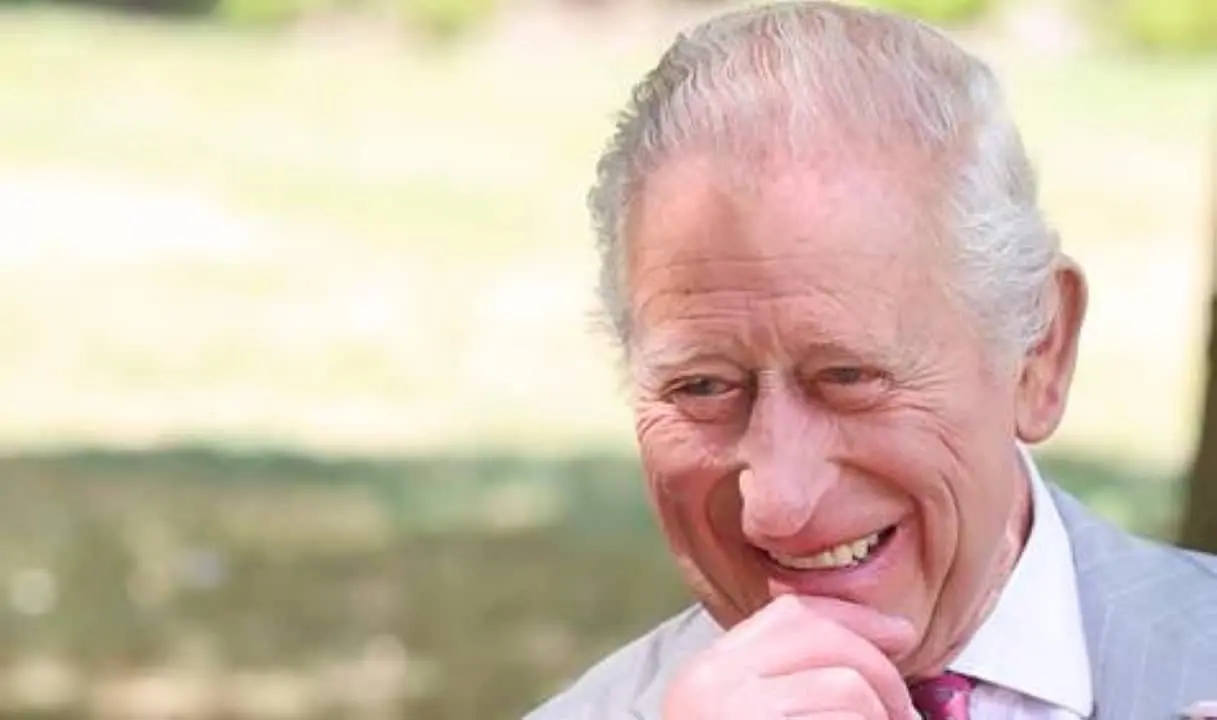
The leader of the British monarchy and the queen consort starred in an episode that exposed the rigid demands of the Crown’s official agenda. During the first weekend of June 2026, the couple attended the religious ceremony that celebrated Peter Phillips’ union, but chose not to participate in the party with the other guests. The justification for the hasty departure was an unpostponable commitment at the prestigious Epsom Derby turf tournament, generating an intense debate about the sovereign’s priorities. The attitude reignited discussions about the coldness of palace protocols in contrast to moments of family intimacy.
The bucolic setting chosen for the union of the late monarch’s eldest grandson
The wedding celebration took place on Saturday, June 6, 2026, against the backdrop of the historic All Saints Church. The religious temple is located in the picturesque village of Kemble, located in the Cotswolds region, in the county of Gloucestershire. Peter Phillips, who works as a businessman and is the result of Princess Anne’s first marriage, made his relationship with pediatric nurse Harriet Sperling official. The event was planned to be a discreet occasion, far from the major television broadcasts that usually accompany the royals’ footsteps.
Despite the private nature, the guest list included high-ranking members of the Windsor dynasty. Prince William and Princess Kate were present during the exchange of vows, showing support for their cousin in his new personal step. It is important to contextualize that Peter Phillips never bore the title of His Royal Highness, a decision made by his mother at the time of his birth to allow him to have a more independent professional life. This particularity has always given its events a slightly more relaxed tone compared to the weddings of its direct cousins.
The race against the clock to keep alive a passion inherited from Queen Elizabeth
As soon as the reverend declared the bride and groom married, state logistics went into action to remove the king and queen from the English countryside. The pair boarded a private helicopter headed to Epsom Downs Racecourse, located in the county of Surrey. The flight covered a distance of approximately one hundred and sixty kilometers in record time, ensuring that the monarchs arrived before the start of the day’s main events. The main objective was to support the Betfred Derby, one of the oldest and richest competitions on the world equestrian calendar.
The royal presence in the Epsom stands carries immeasurable historical weight for the British. During her seven decades of reign, Queen Elizabeth II rarely missed this competition, being a passionate breeder of racehorses and a deep connoisseur of the sport. Upon assuming the throne, Charles inherited not only the crown, but also the sponsorship of several institutions linked to racing. Attending the event is seen by palace advisors as a way of honoring the memory of the matriarch and ensuring continued institutional support for an industry that generates millions in the local economy.
Negative repercussions and the weight of choices on the palace’s official agenda
The image of the royal couple abandoning the family celebration to watch horse races was not well digested by a significant portion of public opinion. On digital platforms and in the columns of London tabloids, many critics pointed out an alleged insensitivity in the decision. The harshest comments suggested that the monarch was shirking his duties as an uncle to enjoy an elite pastime. The narrative that the institution always crushes the individual has once again gained strength among observers of palace dynamics.
On the other hand, etiquette experts and Crown historians came out in defense of the strategy adopted by Charles’ team. They argue that a head of state’s agenda is closed many months in advance, making it impossible to cancel an official sponsorship of great magnitude without causing losses to the organizers. The communication team at the official residence preferred to maintain the usual silence, not issuing explanatory notes about the day’s itinerary. The air operation was the only solution found so that the sovereign could fulfill his institutional role without completely ignoring his nephew’s invitation.
Leia Também

Messi reaches 19 goals in FIFA World Cups with great free kick for Argentina in clash with Jordan

Cristiano Ronaldo shines beyond the pitch at the 2026 World Cup with business empire and family luxury

At 41, Cristiano Ronaldo reaffirms his historic legacy and prepares to shine in the 2026 World Cup
Details about the new marriage and reception at Princess Anne’s estate
The event in Gloucestershire marked an unprecedented chapter in the family’s recent history, being the first second marriage between the former monarch’s grandchildren. Peter Phillips had previously been married to Canadian Autumn Kelly, with whom he had two daughters, Savannah and Isla, before they announced their amicable divorce years ago. The new wife, Harriet Sperling, brings a different profile to the royal inner circle, building her career in the British public health system, the NHS. This professional experience in public service generated immediate sympathy among his subjects.
After the ceremony at Kemble church, the guests went to the main party, which took place away from the prying eyes of the press. The reception was hosted at Gatcombe Park, the vast country estate belonging to Princess Anne, which is just a few miles from the wedding venue. To understand the timetable dynamics that forced the monarch’s departure, the organization of the day followed a strict schedule:
- The religious ceremony took place late in the morning, bringing together all family members in the small local parish to exchange rings.
- The king and queen’s air travel took place in the early afternoon, focusing on the punctuality required by television broadcasts of the sporting event.
- The party in Gatcombe Park lasted until the evening, with the presence of the couple’s younger cousins, close friends and work colleagues.
The constant scrutiny of the monarchy and the search for relevance in sport
While the party took place on the field, the royal presence at the racecourse fulfilled a strategic function for the organizers of the Betfred Derby. In recent years, horse racing has faced a significant drop in spectator numbers and frequent protests from animal rights activists. The king’s figure in the tribunes of honor attracts the attention of the international media, attracts sponsors and confers a seal of prestige that no marketing campaign could buy. It is a symbiotic relationship where the Crown’s tradition supports the viability of the sport.
This episode perfectly reflects the tightrope that the current monarchy has to walk on a daily basis. The UK leader is trying to implement a leaner, work-focused vision of royalty, but remains tied to centuries-old rituals that require his constant physical presence. The controversy surrounding his nephew’s marriage demonstrates that a king’s choices are never evaluated solely from a personal perspective. Each step is calculated, judged and entered into the vast record of British history, where duty almost always speaks louder than ties of blood.