NASA satellite data reveals escalating Pacific warming with 2026 El Niño projections
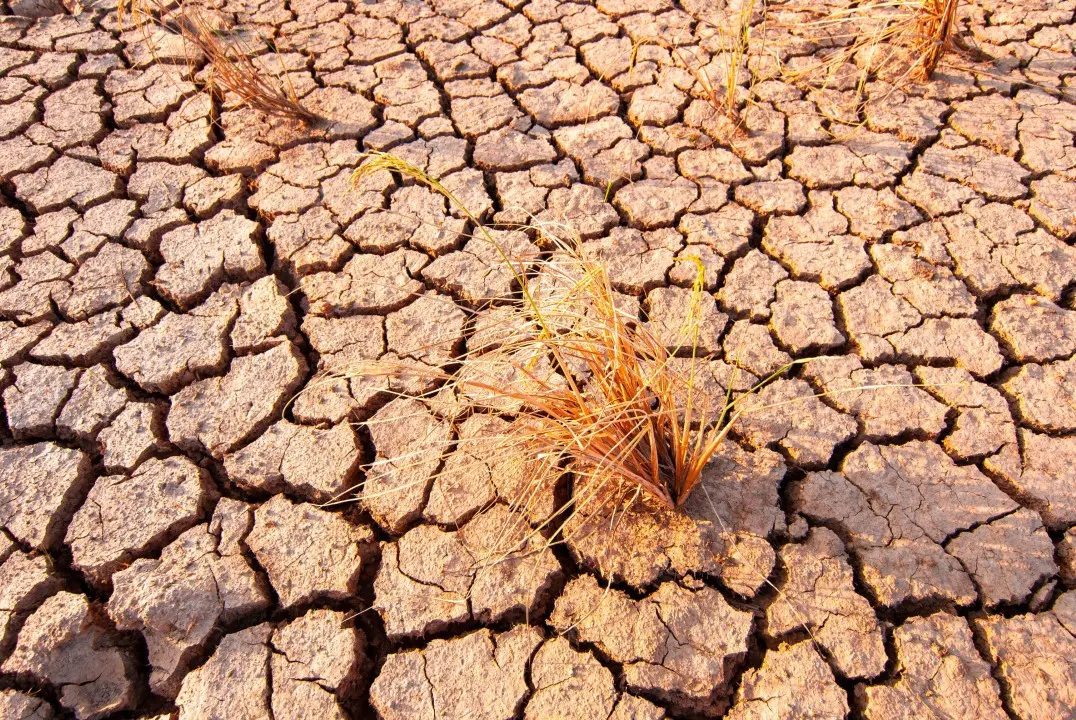
New information, captured by an American Space Agency (NASA) satellite, points to a notable increase in the intensity of El Niño in 2026. The observation focuses on the Pacific Ocean region, where the climate phenomenon is already showing signs of a significant strengthening for the period. This early development raises an alert for what could be an event of great magnitude.
El Niño, characterized by the atypical warming of surface waters in the Equatorial Pacific, was formally confirmed as active by the United States National Oceanic and Atmospheric Administration (NOAA) in June. The occurrence of this phenomenon has the potential to substantially change meteorological patterns on a global scale, influencing the climate on several continents.
Understanding the El Niño phenomenon and its characteristics
El Niño is a natural manifestation of the climate system, resulting from the interaction between the ocean and the atmosphere in the Pacific basin. During the event, surface waters in the Eastern and Central Equatorial Pacific become warmer than normal, displacing air masses and altering large-scale atmospheric circulation. This warming directly impacts the distribution of rainfall and temperatures around the world.
Unlike La Niña, which cools these same waters and generates opposite climate effects, El Niño is known for intensifying droughts in some areas and floods in others. Knowledge about these cycles is crucial for weather forecasting and agricultural and water resources planning in several nations.
Historically, El Niño events can vary considerably in their strength and duration, with some resulting in more drastic impacts than others. The ability to predict the intensity and length of each cycle is a constant challenge for climate scientists.
Monitoring detects early signs of strong El Niño in 2026
Early detection of an intensification to 2026 is a point of great concern. Data collected by NASA satellites allows researchers an in-depth look at oceanic and atmospheric conditions, indicating that the next El Niño could be shaping up as a major event. This anticipation is fundamental for global planning.
A large-scale event means that climate developments can be more pronounced and widespread than in lower-intensity events. In previous cycles, strong El Niños, such as those recorded in 1997-1998 and 2015-2016, were associated with severe droughts and floods in different parts of the globe, causing significant economic and human losses. The precocity of the signals for 2026 may indicate a prolonged period of climate influences.
Leia Também

Messi reaches 19 goals in FIFA World Cups with great free kick for Argentina in clash with Jordan

Cristiano Ronaldo shines beyond the pitch at the 2026 World Cup with business empire and family luxury

At 41, Cristiano Ronaldo reaffirms his historic legacy and prepares to shine in the 2026 World Cup
The observation that the phenomenon intensifies in advance for the year 2026 allows climate models to be refined, improving the accuracy of projections. This gives countries and organizations extra time to prepare for adverse scenarios by adapting their disaster mitigation and response strategies.
Global consequences for meteorology and agriculture
The projection of a strong El Niño in 2026 suggests a reconfiguration of meteorological patterns on a planetary scale. This change can manifest itself in significant changes in wind currents, atmospheric pressure and precipitation regimes. Such changes affect ecosystems, economies and the daily lives of billions of people.
In the agricultural sector, the impacts can be vast and harmful. Traditionally rainy areas can face long periods of drought, compromising crops such as soybeans, corn and wheat, which are global commodities. On the other hand, regions accustomed to drought can suffer from excessive rainfall, resulting in flooding and crop losses. For example, in Brazil, a strong El Niño often causes intense droughts in the North and Northeast, while the South suffers from storms and floods, as occurred in 2015-2016, affecting food production and infrastructure.
Furthermore, the occurrence of torrential rains can lead to landslides and urban flooding, while prolonged droughts can trigger water crises and forest fires. The intensity and location of these impacts vary, but El Niño’s global extent means that few regions are completely immune to its influences. Disruption of agricultural production and destabilization of ecosystems can lead to increases in food prices and food security issues internationally, highlighting the importance of a coordinated response.
Urgency in planning and attention from authorities
Faced with the possible intensification of the 2026 El Niño, continuous monitoring becomes an unquestionable requirement for scientists and authorities. Closely monitoring the evolution of the phenomenon is vital to adjust forecasts and issue accurate alerts. Collaboration between space, meteorological and government agencies is essential for real-time tracking.
Preparation by authorities and communities is crucial to minimize adverse effects. This includes implementing contingency plans to manage water resources, developing agricultural adaptation strategies, and strengthening infrastructure to withstand extreme weather events. Investing in early warning systems and public education about the risks of El Niño can save lives and reduce property damage.
The resilience of communities will be tested, and the ability to adapt to new climate realities will determine success in mitigating impacts. The global scenario requires a proactive and collaborative approach to face the challenges posed by phenomena such as El Niño, ensuring the safety and well-being of populations in the face of climate change.