Next game in the Grand Theft Auto franchise could take up to 200 GB on consoles and computers
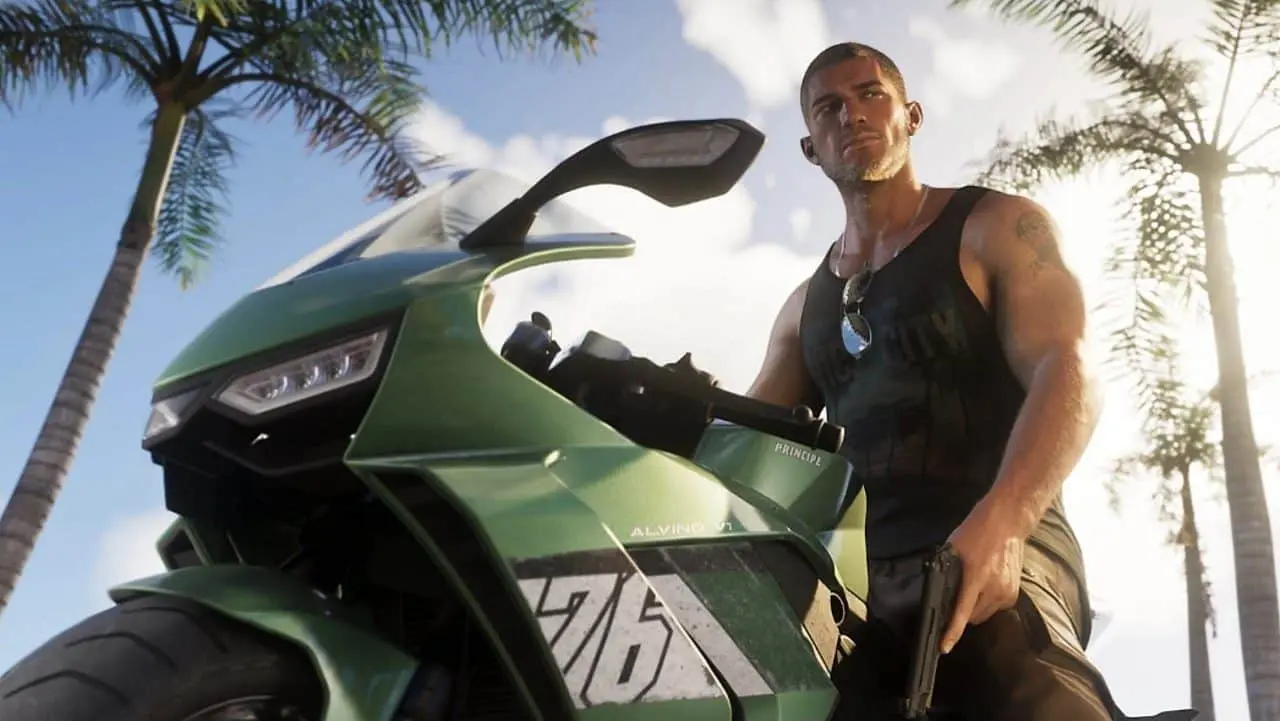
Recent speculation behind the scenes in digital entertainment suggests that the next Grand Theft Auto will need around 200 GB free on storage disks. This technical demand encompasses both editions aimed at the most modern video games and desktop computers. The colossal amount of gigabytes demonstrates the unprecedented magnitude of the work that Rockstar Games is preparing for the last quarter of 2026, succeeding the sales phenomenon that was the previous title. The gaming community is already intensely discussing how this requirement will affect space management on home devices. So far, the producer has maintained a strict silence regarding the definitive configurations that the system will require.
The weight projected for the file goes hand in hand with the guarantees of visual and gameplay revolution promised for the new adventure. The technological advancement compared to past titles includes the creation of a much larger and more detailed explorable territory. Industry analysts believe that the enormous amount of elements present in the scenario fully justifies the size of the download. The IT segment is closely observing how system requirements will evolve to handle overproduction on this scale.
Rich details and immersive virtual world justify the weight of the file
Creating highly engaging digital metropolises requires a massive raw database. The structure of the new Grand Theft Auto uses textures in 4K resolution to reproduce materials with extreme fidelity under varied light sources. The design of the environment also includes 3D modeling full of polygons to bring to life the pedestrians and cars that travel along the roads. Furthermore, sound engineering focuses on audio tracks without severe compression, ensuring that the noise of traffic and conversations sounds as natural as possible.
The behavior of virtual citizens will undergo a complete overhaul in this highly anticipated sequel. The artificial intelligence system demands complex lines of code and a wide range of captured movements to make the daily routine on the sidewalks appear authentic. Every small detail inserted into the urban landscape consumes a significant portion of the package that will be downloaded by the consumer. The RAGE graphics engine, developed internally by the company itself, has the mission of processing all this data load instantly, eliminating unwanted waiting screens during movement.
Estimated size follows the current trend of major market launches
Overcoming the 200 GB barrier is no longer considered an outlier when it comes to extremely high-budget projects. The interactive entertainment industry shows a clear pattern of inflation in the weight of installations over the years. The acclaimed western Red Dead Redemption 2, made available by the same studio in 2018, already consumed approximately 150 GB of space on devices at the time. This 50 GB jump to a project designed for a higher generation of hardware is seen as an expected evolution of the media.
Several other established brands have already paved the way for colossal downloads in the recent past. The catalog of space-intensive software covers different gaming styles and different companies.
- The full Call of Duty: Black Ops 6 package reaches the 220 GB mark when the player installs the free Warzone component.
- The Final Fantasy XVI RPG adventure requires a slice ranging from 170 GB to 175 GB on the main disk.
- The mythological journey of God of War Ragnarök also ranges from 170 GB to 175 GB.
- The survival simulator ARK: Survival Ascended can easily break 300 GB if the user adds modifications from the community.
This parallel makes it clear that the supposed space requirements of Rockstar’s next big hit are in line with the contemporary video game scene. Customers who usually purchase the year’s main releases are already used to managing their equipment’s memory with caution. The debate among developers about the need to better compress data ends up colliding with public pressure for graphics that are increasingly closer to reality and fully dynamic maps.
Memory limitations on consoles force users to delete old games
The standard versions of the PlayStation 5 and Xbox Series X are sold with a 1TB disk from the factory, but the actual space is smaller. The system software and resources vital to the machine’s operation block a considerable portion of this memory as soon as the device is taken out of the box, leaving around 800 GB free on the Sony console, for example. The arrival of 200 GB software would swallow practically a quarter of the video game’s entire usable capacity. This physical barrier forces device owners to create a constant cycle of installing and deleting titles.
Leia Também

Messi reaches 19 goals in FIFA World Cups with great free kick for Argentina in clash with Jordan

Cristiano Ronaldo shines beyond the pitch at the 2026 World Cup with business empire and family luxury

At 41, Cristiano Ronaldo reaffirms his historic legacy and prepares to shine in the 2026 World Cup
Temporarily removing adventures that have already been completed or are not accessed frequently has become an inevitable routine. Virtual stores ensure that progress made in missions is safely stored on remote servers. This way, the person can delete the main file to free up space and retrieve it months later without losing absolutely anything that they have achieved. The only obstacle to this practice is the dependence on fast and stable broadband at the consumer’s home to redo the giant download.
Technology manufacturers sell definitive alternatives for those who don’t want to delete files, offering expansion parts. The Sony video game accepts the inclusion of very high-speed M.2 SSD sticks, allowing you to add up to 8 TB in a specific internal slot. Microsoft’s family of devices relies on small proprietary quick-fit cards that provide up to 4 TB of free space. The big problem is that purchasing these high-performance accessories requires a very high financial investment on the part of the player.
Parent company bets on massive content to justify the investment
Take-Two Interactive, the conglomerate that runs the developer studio, injects billions of dollars to ensure that its most valuable brand dominates the charts. The colossal weight of the software reflects the corporation’s desire to break the historical revenue marks left by the 2013 chapter. A significant portion of the series’ admirers understand that this absurd size is proof that the map will be full of activities. The general hope is to receive an entertainment product so dense that it makes every minute spent waiting for the download bar to fill up worth it.
The trajectory of a title of this magnitude involves the continuous injection of new features long after its debut on the shelves. The initial 200 GB only serves as the foundation for future story expansions and the inevitable online mode that generates recurring revenue. The source code needs to be prepared to receive new fleets of cars, new missions and even territorial expansions throughout the decade. This long-term planning requires the team to build an extremely solid skeleton of files from launch day.
Market strategy prioritizes tabletop video games before computers
The officially released production calendar predicts that the work will reach the public at the end of 2026. At first, only owners of the latest generation consoles will have the privilege of exploring the new city. The edition aimed at computers will maintain the company’s tradition and will only be sold at a later date, which is still undefined. This business tactic has the clear aim of concentrating profits in the closed ecosystems of Sony and Microsoft before dealing with piracy and the complexity of the PC environment.
Specialists in searching hidden codes monitor the producer’s networks incessantly, trying to find any fragment of data about the pre-installation. Conversations about the exact gigabyte mark gained strength from May 2026 on the biggest portals dedicated to gamer culture. Rockstar Games’ public relations department remains steadfast in its directive to completely ignore any rumors or leaks that appear on the internet. The studio’s workforce remains fully focused on refining the graphics and eliminating system glitches before the game is shipped worldwide.