Viral phenomenon: Brazilian DJ uses artificial intelligence to create World Cup hit with more than 1 billion reproductions
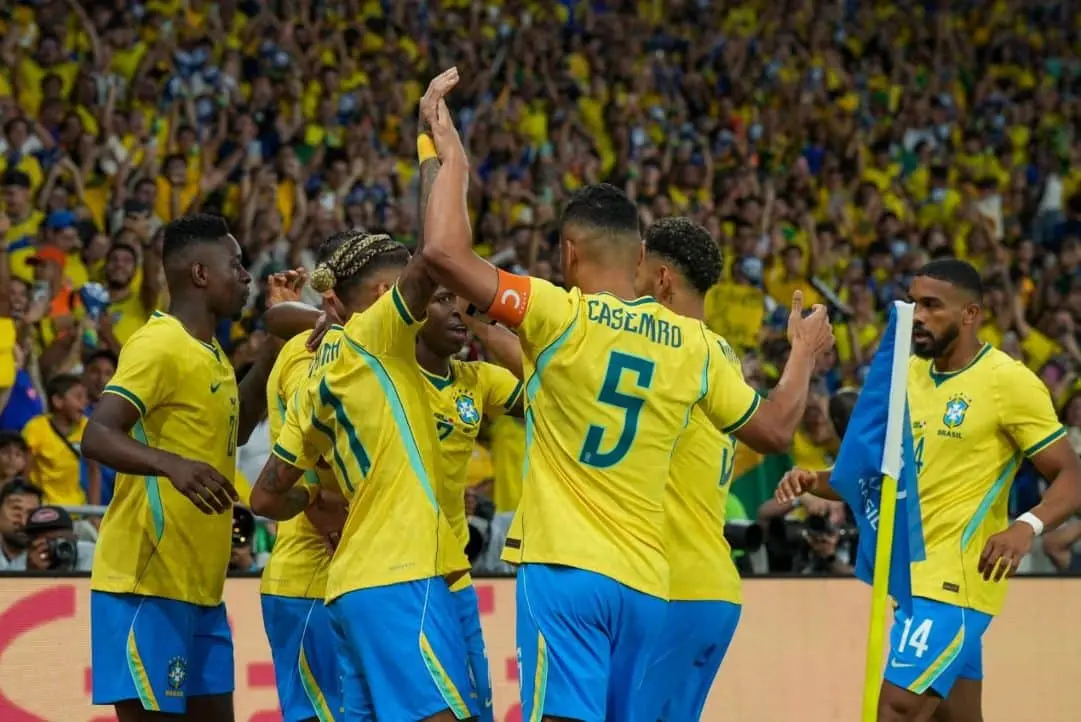
A resounding and unexpected success dominated the 2026 World Cup music charts, with a song developed entirely by artificial intelligence. The hit “Brasil com S”, created by DJ M4IA, an independent producer from Uberlândia, Minas Gerais, surpassed the impressive mark of 1 billion global reproductions. This phenomenon contrasts sharply with the high investments made by big names in the music industry, demonstrating technology’s ability to democratize access to the production of hits on a massive scale.
The artificial intelligence revolution in music composition
The creation of the track “Brasil com S” represents a significant advance in the use of advanced technology in the creative process. Guilherme Maia, known artistically as DJ M4IA, used artificial intelligence tools, such as Gemini, to structure the lyrics and ensure that the names of the players called up by the Brazilian team fit perfectly into the melody’s metric. This method allowed agility and precision that would be difficult to achieve through traditional means.
The producer revealed that the collaborative process between human and machine required several attempts and refinements. He had to redo parts of the song around 15 times to achieve the desired final result, adjusting the rhythm and melody generated by the AI. This dynamic interplay underscores that while artificial intelligence provides the tools, artistic direction and human persistence remain crucial to success.
Phonk’s viral formula and the universal appeal of “Brasil com S”
The rhythmic basis of the song is phonk, a subgenre of hip-hop that has become prevalent in internet trends in recent years. With striking and repetitive beats, the style makes it easy to create short videos and viral dances, essential features for success on platforms like TikTok and Instagram. This strategic choice of genre was fundamental to the rapid dissemination of the song.
The inspiration for “Brasil com S” came, in part, from another phonk phenomenon, the song “Passo Bem Solto”, which also achieved international recognition with millions of views in its slowed down versions. DJ M4IA realized the viral potential of this format and adapted it to the context of the World Cup. The lyrics, which simply list the names of the national team’s players, are easy to remember and break down language barriers, making them universally attractive.
Meteoric rise: from Uberlândia advertiser to global stardom
Guilherme Maia, a 31-year-old advertiser, lived a routine divided between his marketing agency and his passion for music production. Before the meteoric success of “Brasil com S”, his presence on social media was modest, with approximately 40 thousand followers on Instagram and 4 thousand subscribers on YouTube. His profile did not place him among the artists who typically dominate the pop music scene.
Leia Também
Messi reaches 19 goals in FIFA World Cups with great free kick for Argentina in clash with Jordan

Cristiano Ronaldo shines beyond the pitch at the 2026 World Cup with business empire and family luxury

At 41, Cristiano Ronaldo reaffirms his historic legacy and prepares to shine in the 2026 World Cup
The rise of the song, which lists the players’ names in a simple and catchy chorus, catapulted the Uberlândia artist to worldwide recognition. His achievement demonstrates how artificial intelligence, combined with an understanding of digital trends, can democratize access to the production and distribution of hits. In a market dominated by major record labels and established artists, DJ M4IA’s success is a case of innovation and persistence.
The cultural impact: “Brazil with an S” in trends and in Neymar’s home
Released on March 19, the song quickly spread, becoming the soundtrack to countless online content as the World Cup approached. From elaborate choreographies, imitations of athletes’ celebrations to tutorials on “get ready with me to watch the Brazil game”, the hit won over extremely diverse audiences. The simplicity and engaging pace encouraged active participation from users on social media.
One of the moments with the greatest repercussion and cultural validation was when Mavie, Neymar’s daughter, was filmed dancing to the track, in a video published on social media. This endorsement from a public figure linked to football further expanded the visibility of the song and its reach among different age and social groups. The phenomenon of “Brazil with an S” was not limited to Brazil, but reverberated globally, solidifying its status as a true unofficial World Cup anthem.
New horizons: contracts and a global album with artificial intelligence
The commercial impact of the success didn’t take long for DJ M4IA. He signed a contract with the renowned Dutch record label Spinnin’ Records, one of the largest and most influential in the global electronic music market. This partnership represents a significant leap in his career, giving him the structure and reach of a large company for future projects.
This collaboration has already generated ambitious new plans, including the development of an album with 17 songs inspired by other teams participating in the World Cup. Among the countries covered are Argentina, Spain and England, indicating a strategy for replicating the viral model in different cultures. All of these new productions will continue to rely on artificial intelligence as their main tool, aiming to transform the initial hit into a “factory” of global hits with almost industrial efficiency.
Elements that took “Brazil with S” to the top
- Use of artificial intelligence:The technology optimized the composition of letters and metrics, speeding up the creative process in an unprecedented way.
- Phonk musical genre:The choice of a style with viral and repetitive beats proved to be ideal for quick consumption on social networks.
- Simple and memorable chorus:The list of names of the Brazilian national team players made the lyrics easy to memorize and understand in different languages.
- Context of the World Cup:The theme of high relevance and global engagement during the tournament period amplified the song’s visibility.
- Independent production and agility:DJ M4IA’s creative freedom allowed him to innovate outside the standards of the big industry.
- Organic engagement:Natural dissemination through trends and dances on platforms such as TikTok and Instagram boosted viralization without depending on large marketing campaigns.