Data from a cave in Paraná reveal 7,500 years of extreme rainfall and connection with El Niño and Antarctica
A cave located in Paraná offers crucial clues about the climate behavior of southern Brazil over millennia. A recent study, released by Agência FAPESP, highlights that the site is home to an unusual natural record, preserved in stalagmites.
These rock formations accumulate microscopic strata of sediments, which are the result of past floods. The analysis made it possible to identify 921 distinct layers, which made it possible to reconstruct approximately 7,500 years of climatic phenomena in the area.
The surprising thing is that this geological “archive” does not reveal a constant climate pattern. While certain periods present rare occurrences, others record a significant increase, with the 20th century standing out as one of the most rigorous.
How Antarctica and El Niño influence extreme weather events
The research indicates that the intense rains in the South region do not have a singular cause. Two main elements emerge as decisive: the climate instability of West Antarctica and the El Niño phenomenon.
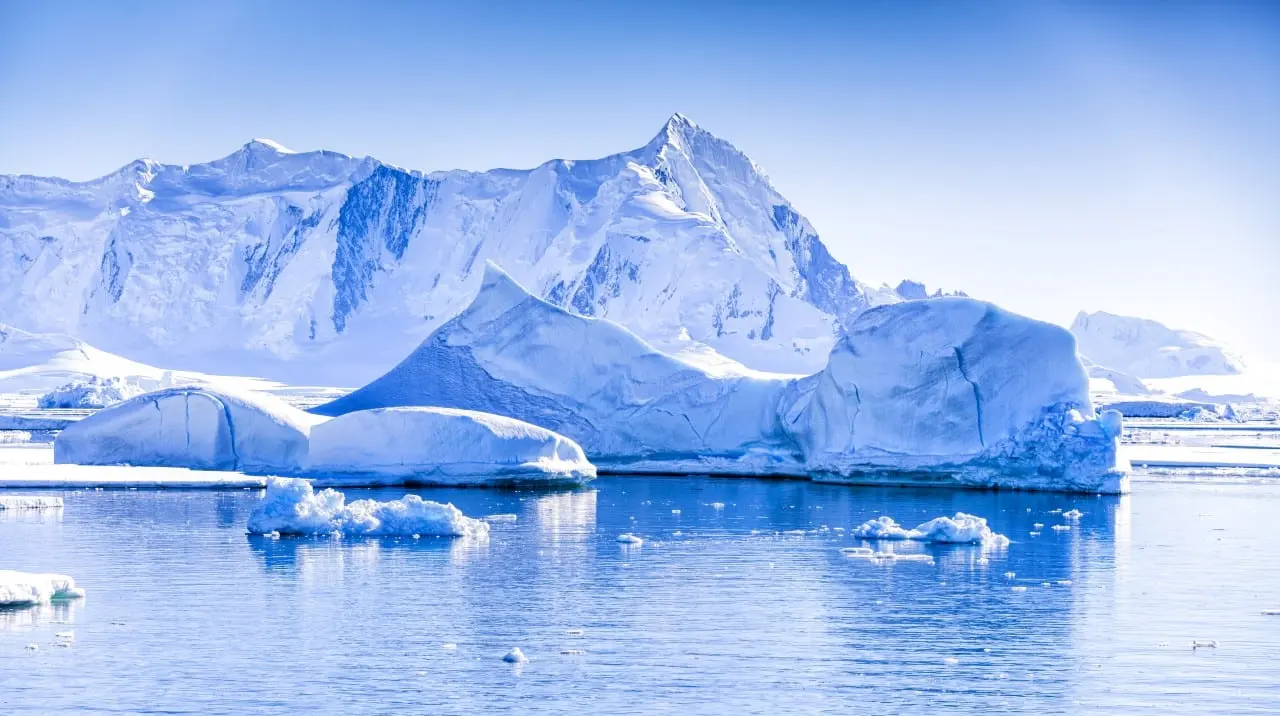
The occurrence of colder summers in Antarctica alters atmospheric circulation globally. This condition contributes to the strengthening of cold fronts and favors the movement of humid air masses from the Amazon to the south of Brazilian territory.
In turn, El Niño is characterized by the abnormal warming of the waters of the Equatorial Pacific Ocean, modifying wind and precipitation patterns in different parts of the globe.
- A robust El Niño generally intensifies periods of heavy rain in the south of the country.
- Changes in Antarctica impact the circulation of the atmosphere on a global scale.
- Cold fronts may appear with greater frequency and organization.
- Moisture coming from the Amazon reaches the South more intensely in certain cycles.
A crucial point to note is that these two climate systems can operate together, amplifying their effects on weather conditions.
How the Caverna do Malfazido records historic floods
The geological conformation of Caverna do Malfazido makes this specific type of investigation possible. The space has galleries with limestone formations that act as natural barriers during flood episodes.
Leia Também

Messi reaches 19 goals in FIFA World Cups with great free kick for Argentina in clash with Jordan

Cristiano Ronaldo shines beyond the pitch at the 2026 World Cup with business empire and family luxury

At 41, Cristiano Ronaldo reaffirms his historic legacy and prepares to shine in the 2026 World Cup
When entering the cave, the water leaves a thin layer of sediment on the stalagmites. Over time, these deposits accumulate, creating a continuous historical record of events.
This process generates a unique archive, which allows researchers to view events prior to the development of any contemporary measurement methodology.
As pointed out by the scientists consulted by Agência FAPESP, this natural recording model is essential to fill the gaps in the most current analysis methods.
Lessons from the climate past to understand the current scenario
The information collected reveals that the climate in the South has already experienced phases of lower intensity and periods with a greater frequency of extreme phenomena. Notably, the 20th century stands out for the high incidence of these occurrences.
Researchers warn that phenomena such as El Niño remain active and could impact the climate in the coming months, offering crucial context for understanding the variability observed in recent extreme events. Although it is not a direct prediction, it represents an important indication for climate attention.
- The 20th century is among the most intense in the documented historical series.
- There are ancient periods with fewer occurrences of severe weather phenomena.
- El Niño remains a significant element of contemporary climate behavior.
- Analyzing these records helps in understanding long-term patterns.
In short, the cave acts as a “physical memory” of the Earth’s climate system. However, the researchers emphasize that a vast amount of material still awaits decipherment by science, layer by layer.