Dollar drops to R$ 5.18 and Ibovespa registers increase after inflation and GDP data in Brazil and the United States
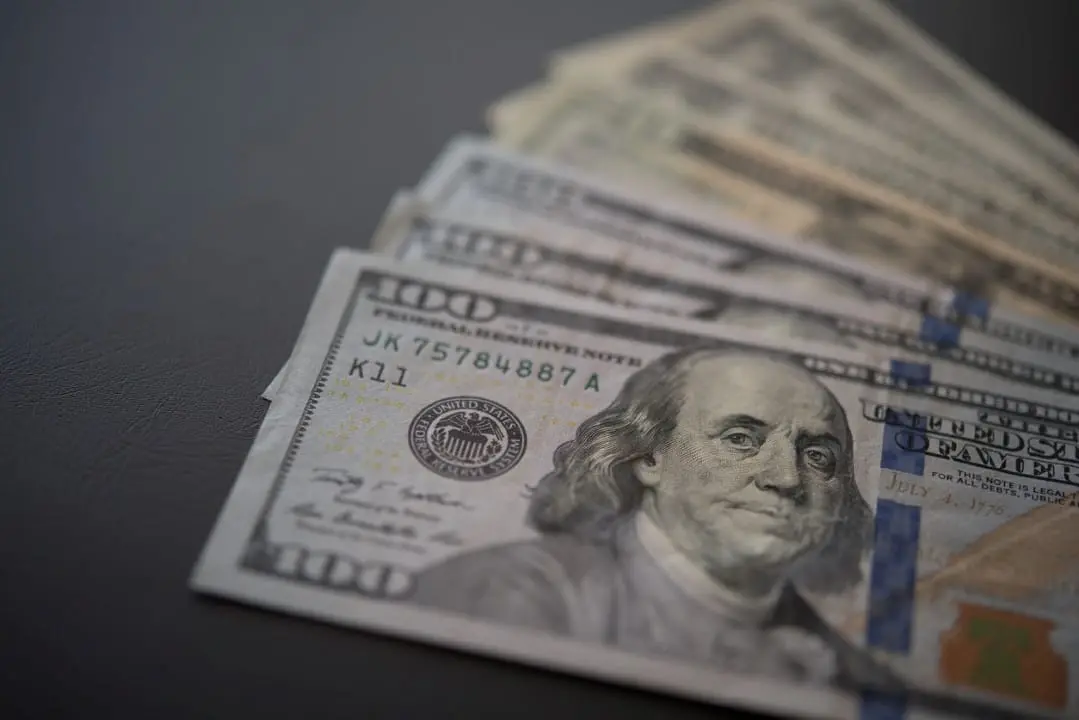
The price of the American currency ended Thursday falling, reaching the level of R$ 5.18. This devaluation movement occurred on a day marked by the release of important economic indicators in both Brazil and the United States, which directly influenced investors’ mood and market expectations.
In the domestic scenario, the preview of official inflation, measured by the IPCA-15, was one of the highlights. The index, which serves as a thermometer of inflationary pressures in the country, signaled behavior that, when reflected in the markets, could offer clues about the next decisions of the Central Bank’s Monetary Policy Committee (Copom) in relation to the basic interest rate, the Selic.
An IPCA-15 that shows a cooling in price increases, for example, tends to alleviate the pressure to increase interest rates, which could make Brazilian debt more attractive and boost the real. On the other hand, a higher index could generate expectations of maintaining high interest rates, attracting speculative capital and, eventually, increasing the value of the currency.
At the same time, the United States released its consumer price data and Gross Domestic Product (GDP), which also had a global impact. Information about American inflation is crucial, as it directly influences the Federal Reserve’s (Fed) decisions on interest rates in the world’s largest market.
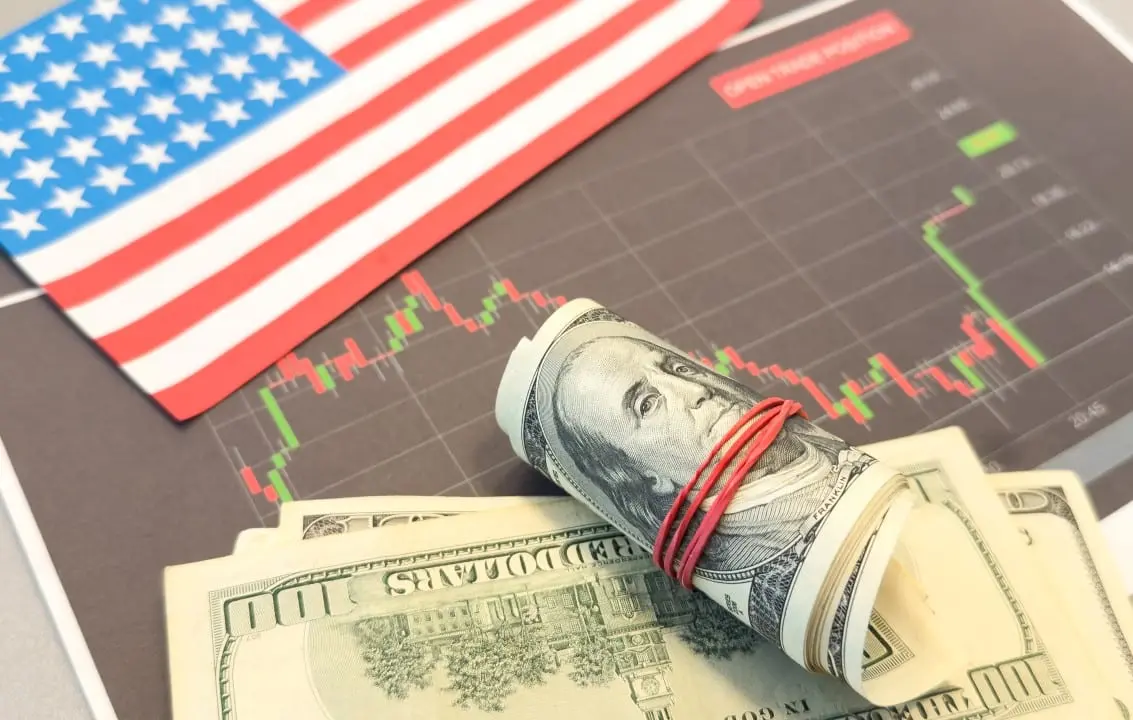
If American indicators point to inflationary control and stable economic growth, the expectation of a less aggressive monetary policy by the Fed increases. This tends to weaken the dollar globally, as it reduces the attractiveness of American bonds, causing investors to seek returns in other markets, including emerging ones.
The combination of these factors – an IPCA-15 that could signal inflationary control in Brazil and data from the US that reduces the pressure for high interest rates – creates an environment of greater confidence and risk propensity. For the Brazilian consumer, a lower dollar could mean cheaper imports, impacting everything from electronics to industrial inputs, and reducing the cost of international travel.
Leia Também

Messi reaches 19 goals in FIFA World Cups with great free kick for Argentina in clash with Jordan

Cristiano Ronaldo shines beyond the pitch at the 2026 World Cup with business empire and family luxury

At 41, Cristiano Ronaldo reaffirms his historic legacy and prepares to shine in the 2026 World Cup
In the Brazilian stock market, Ibovespa, the main index on the São Paulo Stock Exchange, closed the day on a high. This positive performance reflects investors’ perception of general economic health and the reaction to specific corporate news that moved the trading session.
One of the points of attention for investors was the development of Braskem’s request for financial protection. The news added an element of caution, but also expectation, to the local financial picture, with market participants assessing the implications of the situation for petrochemicals and the sector as a whole.
Braskem, one of the largest companies in the petrochemical sector in America, has faced significant challenges. A request for financial protection generally involves a debt restructuring process, seeking to ensure the continuity of operations. This situation creates uncertainty about the future of the company, its shareholders and creditors, but the market tends to price these risks as more information is released.
Despite the individual attention to Braskem, the positive balance of Ibovespa suggests that general optimism with macroeconomic indicators and the prospect of more stable interest rates both here and abroad prevailed, boosting other assets and sectors of the Brazilian stock market.