Global Beatles Day celebration reveals intimate details and surprising behind-the-scenes moments from the legendary band
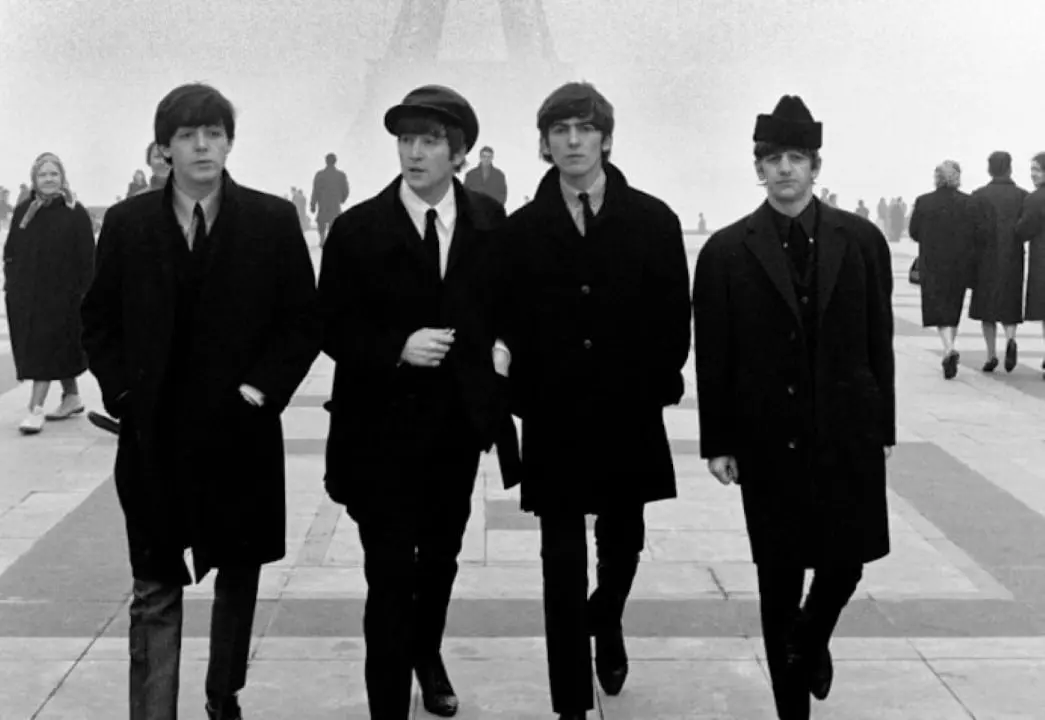
This June 25th, fans around the globe officially celebrate Beatles Day, a date established by the estate of the iconic Liverpool quartet. The consecration of the date serves to revisit the trajectory of John Lennon, Paul McCartney, George Harrison and Ringo Starr, musicians who redefined popular music with their 13 studio albums released between 1963 and 1970.
Despite their immense popularity and recognition as the most influential rock group of all time, the Fab Four’s history is full of lesser-known episodes that go beyond their chart successes and studio innovations. These behind-the-scenes moments offer a more human, and sometimes shocking, perspective into the lives of the young men who became legends.
The intimacies and daring of the early years in Hamburg
Before the global explosion of Beatlemania, the Beatles spent a crucial period in Hamburg, Germany, between 1960 and 1962. This phase, marked by long days of shows in night clubs, was also a melting pot of personal experimentation for the young musicians, who experienced freedom far from home. The environment was one of intense coexistence and little privacy.
George Harrison, the youngest member of the band, had his first sexual experience in Hamburg, under the eyes of Paul, John and then drummer Pete Best. The revelation, present in the collection “Tune In”, by Mark Lewisohn, details an unusual episode where colleagues applauded the achievement. This intimacy extended to other aspects of his personal life, as Paul McCartney confessed.
The bassist admitted to GQ magazine that the band members participated in collective masturbation sessions at John Lennon’s house. In these meetings, they even shouted the names of celebrities to encourage each other, highlighting a more raw and uninhibited side of the group. Rumors about an alleged affair between Lennon and businessman Brian Epstein in Barcelona, reflected in the biography “In My Life”, also highlight the complexity of their relationships.
The problem with the law that led to arrests in Germany
The Beatles’ time in Hamburg was not just marked by intimate experiences. The period also led to problems with local authorities. In 1960, during their first stay, the musicians were accommodated in precarious conditions in the back of an old cinema. Dissatisfaction with the housing and the grueling eight hours a day of shows led the group to look for another place to perform, irritating the original contractor.
As a form of final protest, Paul McCartney and Pete Best allegedly set fire to a condom in the dorm, as Paul recalled in 1998 to People magazine. The incident resulted in a report of attempted arson and the arrest of both men. Shortly before, the former manager had already denounced George Harrison due to his age (17 years old) and irregular status in the country, leading to his deportation. These episodes show the turbulence and amateurism that preceded the band’s global stardom.
The intense impact of Beatlemania and the unusual smell at shows
Between 1963 and 1965, with Ringo Starr on drums, Beatlemania spread as an unprecedented global phenomenon. The Beatles’ public appearances caused collective hysteria, with crowds of ecstatic fans. The shows were stages of controlled chaos, where the shouting was so intense that the musicians themselves could barely hear each other on stage. This intensity, however, was accompanied by a peculiar detail.
Leia Também

Messi reaches 19 goals in FIFA World Cups with great free kick for Argentina in clash with Jordan

Cristiano Ronaldo shines beyond the pitch at the 2026 World Cup with business empire and family luxury

At 41, Cristiano Ronaldo reaffirms his historic legacy and prepares to shine in the 2026 World Cup
Reports from fans and crew members describe that concert venues were often filled with a strong smell of urine. This odor was attributed both to the release of pheromones due to the extreme excitement of fans and to accidents caused by uncontrollable euphoria. The anecdote serves as a vivid reminder of the frenetic and sometimes bizarre dimension to which the group’s fame reached.
The near-tragedy in the Philippines and the definitive goodbye to touring
July 1966 marked a dramatic turning point in the Beatles’ career, during a tour of the Philippines. The group, on principle, refused to participate in political events, and a communication failure caused them to “disregard” an invitation from First Lady Imelda Marcos, wife of dictator Ferdinand Marcos. Businessman Brian Epstein did not interpret the invitation as a mandatory commitment, and the musicians did not appear at the presidential palace.
The local press turned the incident into a national insult, broadcasting images of supposedly disappointed children. The retaliation was immediate and severe. Police protection was withdrawn, hotel staff stopped helping them, and transportation to the airport disappeared. At the Manila airport, the band and their crew were pushed, kicked and insulted by a hostile crowd. Escalators were shut down to force them to carry their heavy equipment.
Team members were physically attacked, and the group was prevented from leaving the country until fees were paid and financial issues resolved. The experience was so traumatic that many feared for their lives as they boarded the plane. Paul McCartney recalled kissing the aircraft seats in a sign of relief. This episode was a decisive factor for the band to announce, shortly afterwards, the end of their live tours, marking the beginning of a new phase focused solely on the studio.
The Last Show’s Ambitious Plan: From Pyramids to Iconic Roof
The idea of a grand final concert for the Beatles permeated the band in late 1968 and early 1969, part of the “Get Back” project, which would culminate in the album “Let It Be”. The suggestions for the farewell location were as far-fetched as they were ambitious, reflecting the size of the band and, at the same time, its growing internal divisions.
- A Roman amphitheater in North Africa.
- A private ship in the middle of the ocean.
- A deserted island, with invited fans.
- An erupting volcano.
- The Libyan desert.
- The iconic Pyramids of Giza, Egypt.
The proposal for the pyramids, in particular, was seen as a “mythical” farewell, a spectacle of the grandeur of ancient constructions. However, the logistical challenges were immense, from exorbitant costs to government bureaucracy. Furthermore, the resistance of George Harrison and John Lennon, who did not want a megalomaniac event, prevailed. The band was tired of the pressure and complexities of big events.
The solution was an improvised but equally legendary outcome: the concert on the roof of Apple Corps, in London, on January 30, 1969. This spontaneous and simple performance, on top of a building in the city, contrasted radically with the grandiose visions. In the end, the simplicity of the roof became one of the most symbolic and memorable moments in rock history, reflecting the essence of the band in its last gasps of unity and creativity.