Honda prepares return of the Element in 2029 with unprecedented hybrid powertrain and utilitarian design
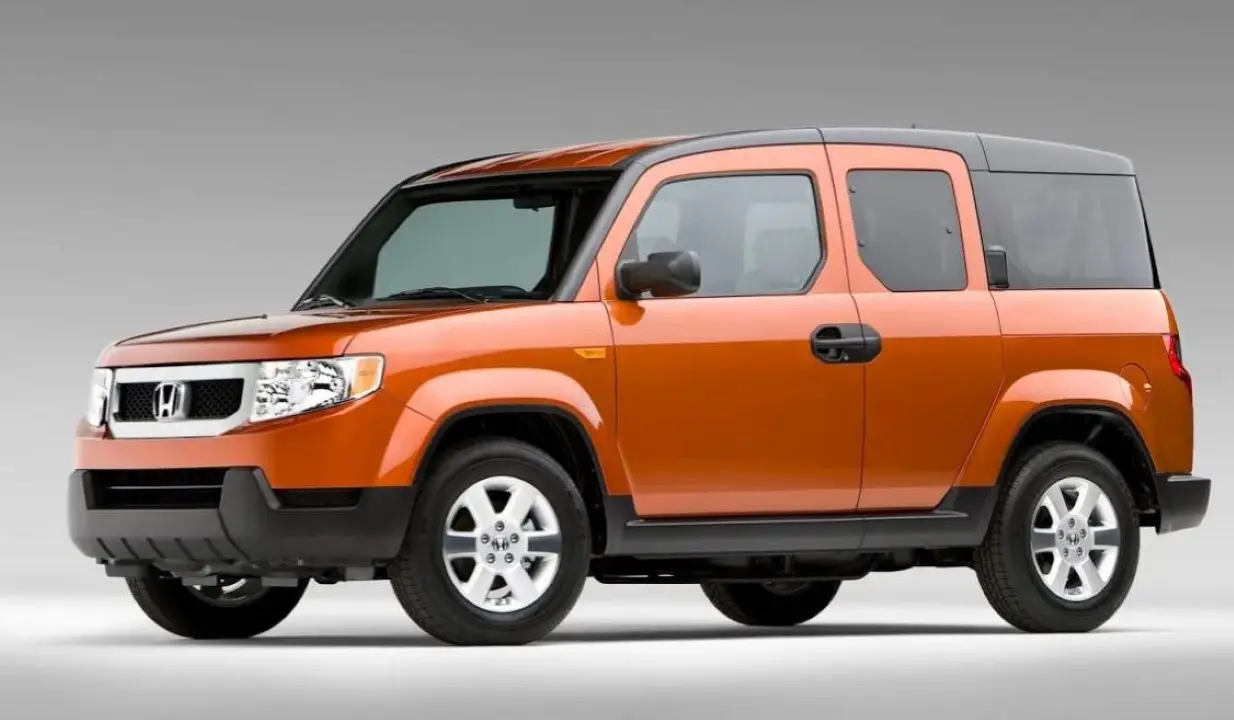
Honda is planning the return of the Element utility vehicle to the global market in 2029, this time with an innovative hybrid engine and a design that reinforces its robust aesthetics. The information, based on reports from sources linked to the Japanese automaker’s production plan, indicates that the new crossover seeks to fill a strategic gap in the growing demand for vehicles with adventurous appeal.
Return of an icon with a completely renewed proposal
The expectation is that the new Honda Element will begin production in the second quarter of 2029, at a manufacturing unit located in central Ohio, in the United States. This plant would be solely responsible for the global manufacturing of the model. Honda’s initial goal is to reach the mark of approximately 100 thousand units sold in its first full year of sales. The company, as usual, preferred not to comment on future launches.
Strategic positioning in the competitive SUV segment
When launched, the renewed Element is expected to be positioned between Honda’s HR-V and CR-V models, seeking to offer a new alternative in one of the most dynamic and competitive segments of the automotive industry. This entry into the market comes at a time when consumers are showing great interest in vehicles that combine the functionality of a crossover with visual elements of adventure. The car targets an audience that seeks practicality combined with an aesthetic that resembles outdoor activities.
The rise of robust and utilitarian design today
Currently, the automotive market values vehicles with a strong and utilitarian appearance, a trend proven by the success of models such as the Ford Bronco Sport, Toyota 4Runner, Hyundai Santa Fe and even the Honda Passport TrailSport. These examples show that rugged design and perceived off-road capability are often as important, if not more important, to the buyer as actual trail capability. The new Element will seek to capitalize on this preference, with its boxy styling and features that evoke adventure.
The legacy and challenges of the first generation Element
Originally launched, the Honda Element was a unique crossover, marked by its “box” shape, washable floors, resistant interior materials and reverse-opening rear doors. Honda initially tried to appeal to a younger audience, but the vehicle ultimately won the loyalty of older customers, outdoor enthusiasts and those who appreciated its unmatched versatility.
Leia Também

Messi reaches 19 goals in FIFA World Cups with great free kick for Argentina in clash with Jordan

Cristiano Ronaldo shines beyond the pitch at the 2026 World Cup with business empire and family luxury

At 41, Cristiano Ronaldo reaffirms his historic legacy and prepares to shine in the 2026 World Cup
Despite its specific appeal, the original Element has had an up-and-down sales trajectory. In 2003, it reached its peak with 67,478 units delivered in the USA. However, sales gradually declined, reaching just 11,534 units annually before production ended in 2011. Even so, the model never left the minds of enthusiasts, with pre-owned examples still highly sought after and maintaining a surprising resale value, a testament to its unique design and functionality.
The hybrid solution to an old criticism of the model
The introduction of a hybrid propulsion system in the new Element represents a direct response to one of the main criticisms of the previous generation: fuel consumption. The energy efficiency of hybrids can correct this historical deficiency, making the vehicle more competitive and in line with modern expectations.
Rumors about the return of the Element gained strength with Honda’s filing of patents in 2024, which suggested a design inspired by the original model. The combination of a hybrid powertrain, contemporary technologies, modular cargo solutions and integrated roof racks, together with the boxy style that is now actively sought after by consumers, could finally create the ideal market conditions that the first generation Element did not have.
Expected features for the new Honda Element
Preliminary information indicates that Honda’s future crossover will come with a set of attributes designed for the current automotive scenario:
- New hybrid engine for the model, aiming for greater efficiency.
- Square and robust style, in line with the demand for adventurous vehicles.
- Production centralized in Ohio, USA, for the global market.
- Strategic positioning between the brand’s HR-V and CR-V models.
- Focus on consumers looking for a versatile car for adventure and practicality.