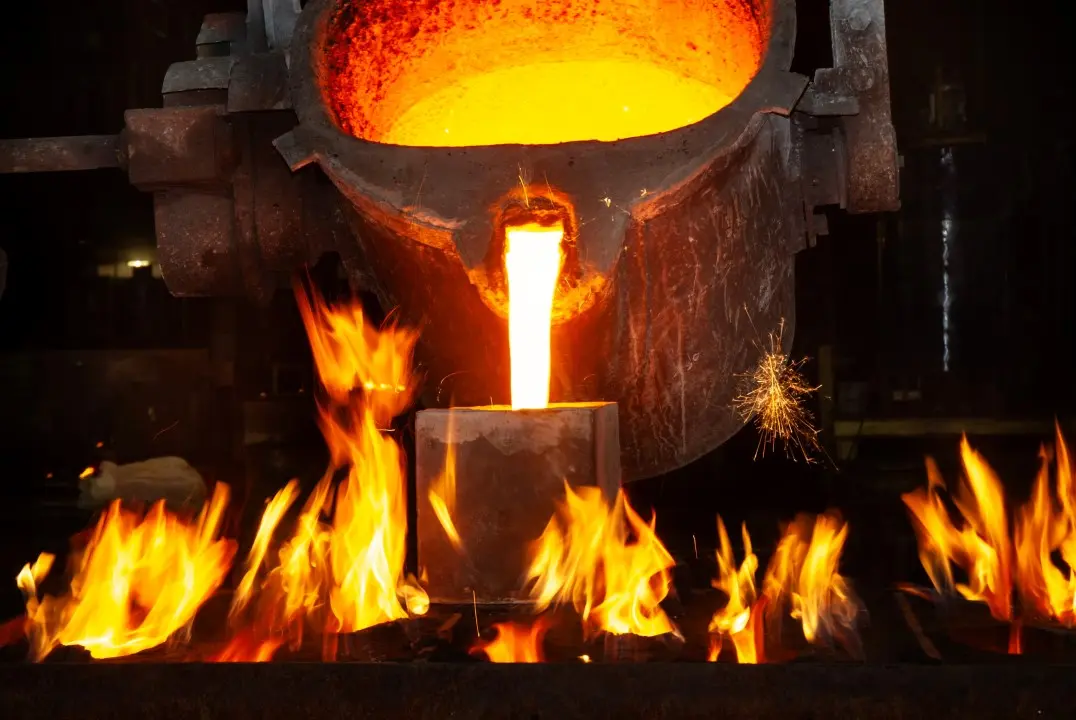
Impact of new US tariffs threatens to paralyze more than half of pig iron plants in Brazil

United States officials have put forward a proposal to impose new import duties on pig iron totaling up to 37.5%. This measure combines an initial rate of 25% with an additional 12.5%, and will be debated in public sessions scheduled for July 6th, with the final verdict scheduled for July 15th.
Faced with concern about the potential effects of these tariffs on pig iron in Brazil, the Iron Industry Union in the State of Minas Gerais (SINDIFER-MG) confirmed its presence in the American hearings. The main objective is to closely monitor debates and fight for the interests of the national industry.
The Federation of Industries of the State of Minas Gerais (FIEMG) emphasizes the strategic importance of pig iron, a vital component in the manufacture of steel and cast iron, fundamental to the vast metallurgical chain. Brazil is among the main global suppliers of this material, with the United States as its largest buyer, which highlights the sector’s mutual dependence and vulnerability to changes in international trade policies.
A survey conducted by SINDIFER-MG revealed a worrying scenario: the implementation of tariffs could lead to the interruption of operations in approximately 55% of Brazilian industries. This would have serious consequences for the Gross Domestic Product (GDP) and the competitive capacity of the segment. Minas Gerais, the epicenter of national production, has 48 plants and 63 furnaces, with a monthly installed capacity of around 420 thousand tons, representing around 70% of the country’s total volume.
Leia Também

Messi reaches 19 goals in FIFA World Cups with great free kick for Argentina in clash with Jordan

Cristiano Ronaldo shines beyond the pitch at the 2026 World Cup with business empire and family luxury

At 41, Cristiano Ronaldo reaffirms his historic legacy and prepares to shine in the 2026 World Cup
In the year 2025, the country’s total production reached 5.4 million tons, with Minas Gerais contributing almost 70% of this amount. Of this overall volume, approximately three-quarters was exported, and the United States received more than 80% of this merchandise.
“This situation will have repercussions throughout the national territory, with a special impact on Minas Gerais, threatening jobs, the attraction of investments and the entry of foreign currency into the country”, declared Fausto Varela, who presides over SINDIFER-MG.
The effects expected by the industry as a result of the potential new tariffs cover a series of problems, including the shutdown of several production units, a reduction in employment opportunities and a notable reduction in the sector’s Gross Domestic Product (GDP).