Pest control: how to keep scorpions and centipedes away from home with essential plants and care
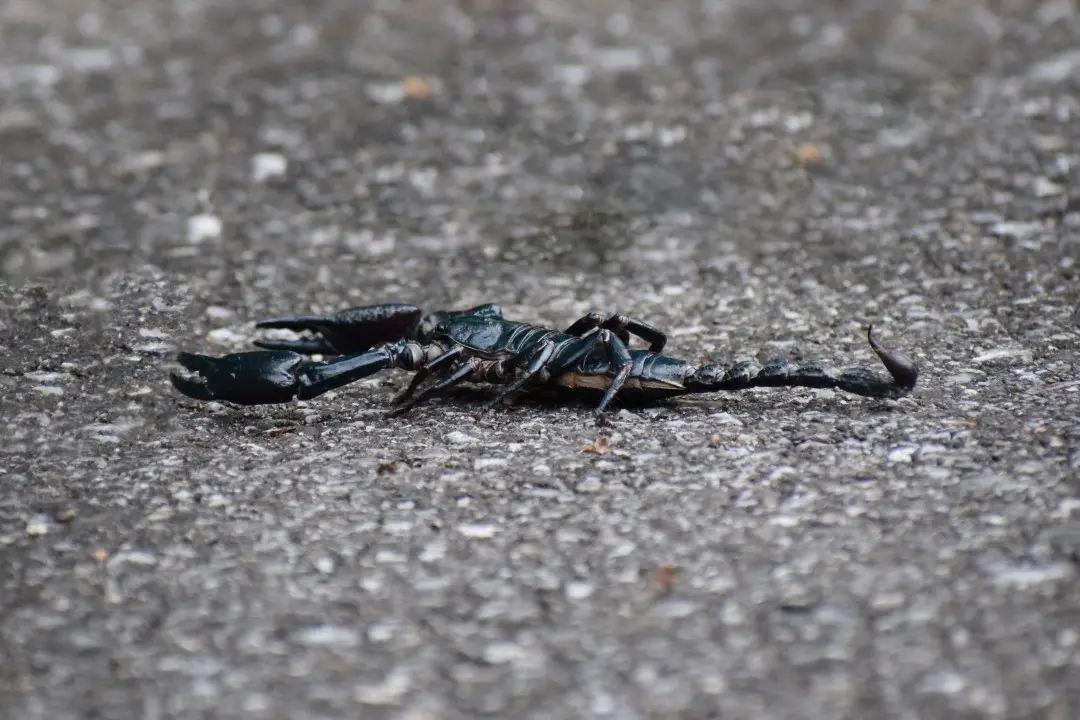
Cultivating aromatic plants can establish natural protection against the presence of scorpions and other unwanted invaders in homes. With increasing urbanization, the appearance of these animals in inhabited areas has become a more frequent phenomenon, raising an alert for the need to safeguard the family immediately. Understanding the reasons behind this common problem in cities allows us to develop efficient biological tactics to repel predators without resorting to toxic chemicals, ensuring peace in the domestic environment with simple adjustments to the structure of the house.
Understand why scorpions and centipedes appear inside homes
The search for refuge in humid places and the vast availability of cockroaches are factors that attract earwigs to populated urban areas. The accumulation of construction debris in backyards encourages the proliferation of these arachnids, which often hide in cracks and dark spaces.
Furthermore, periods of intense rain can dislodge entire colonies of sewage, forcing these animals to climb up the drains. Blocking these waterways with fine screens is a crucial measure to stop this dangerous access route to homes.
The use of specific plant barriers can deter domestic pests, thanks to the intense aroma that their leaves release into the environment. By placing these plants strategically around the land, an ecological defense area is created that reduces dependence on harsh chemicals.
Plants that offer natural protection against scorpions and earwigs
Species with strong fragrances are able to alter the sensory stimuli that guide the nocturnal hunting of venomous animals. Incorporate the following options into your garden to establish an effective protective barrier:
- French lavender, which emanates essential oils that are intolerable to the sensory system of arachnids.
- Lemongrass, rich in citral, a substance that covers the smell of possible prey in the external area.
- Peppermint in pots, ideal for placing near low doors and windows, blocking access.

Strategies for permanent insect control in homes
Systematically interrupting the food supply for these predators is essential to breaking the biological reproductive cycle within the property. Keeping grease traps sanitized and trash cans well sealed prevents the arrival of insects that serve as food.
Leia Também

Messi reaches 19 goals in FIFA World Cups with great free kick for Argentina in clash with Jordan

Cristiano Ronaldo shines beyond the pitch at the 2026 World Cup with business empire and family luxury

At 41, Cristiano Ronaldo reaffirms his historic legacy and prepares to shine in the 2026 World Cup
An essential preventative action is to inspect shoes and bedding before use, avoiding serious and accidental bites. Applying diatomaceous earth to dark corners physically and safely dehydrates invaders.
Guidelines on what to do in case of scorpion or centipede stings
In situations of bites from a venomous animal, seeking immediate medical care in specialized health units is crucial to reduce the risk of systemic complications in the body. Cleaning the affected area should only be done with water and neutral soap to sanitize the injured skin.
Using warm compresses can relieve severe pain while the patient waits for appropriate transport to the hospital. If possible, careful capture of the specimen is very useful as it assists professionals in selecting the most appropriate antiscorpion serum.
Preventive measures to ensure a safe, pest-free home
Continued clearing of nearby vacant lots is critical to mitigating the danger of new serious residential infestations. Installing rubber wheels on the doors physically prevents crawling animals from passing through at night.
Checking hidden spots, such as basements and cracks in damaged tiles, is important to eliminate ideal locations for the development of colonies. Family protection requires daily attention to the structural details of the building.