Apple prepares launch of new smartphone with transparent back and extended battery
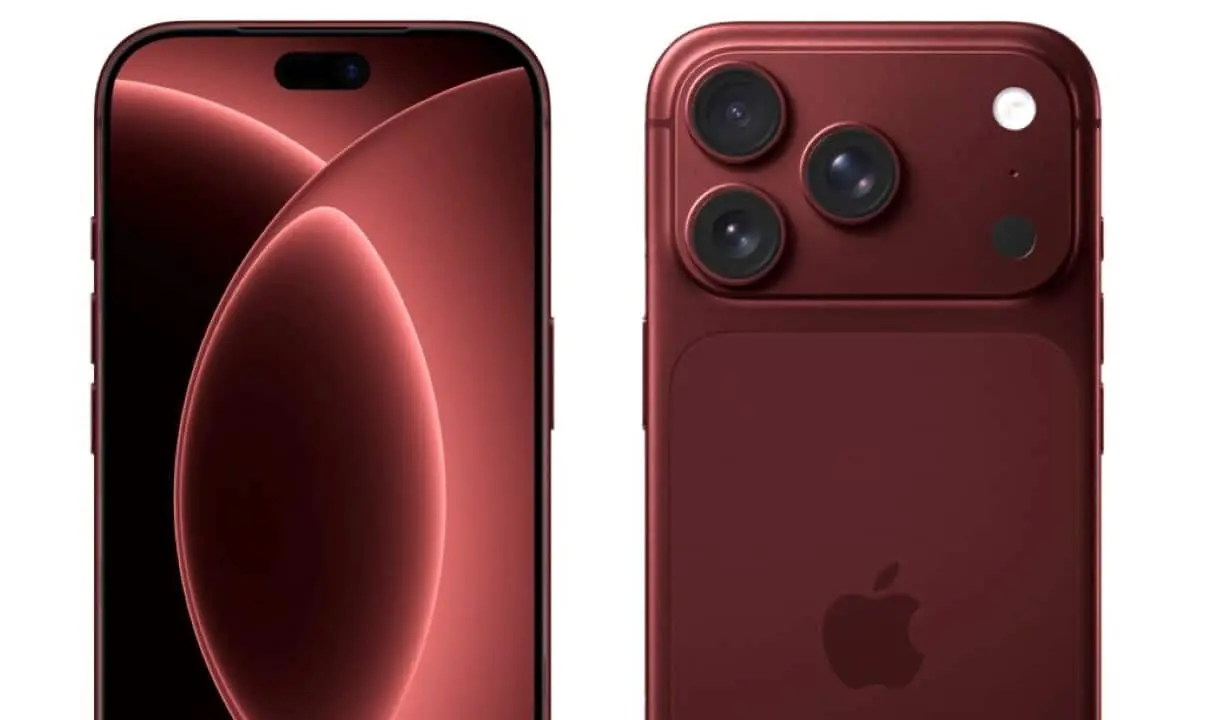
The Cupertino giant is about to revolutionize its portfolio with the introduction of a mobile device that features a completely translucent rear panel, accompanied by superior energy autonomy. This drastic change in Apple’s visual and internal architecture aims to establish a new level in the competitive technology sector. To avoid leaks that could harm the impact of the revelation, the corporation plans simultaneous distribution on several continents. Currently, assembly lines on the Asian continent are operating at maximum capacity to ensure that stocks meet the high demand expected on opening day.
Main innovations in the design and construction materials of the new device
The great visual highlight of the equipment is its back cover made of crystal clear sapphire glass, a choice that allows consumers to observe the intricate internal circuits, recalling the iconic translucent aesthetic of the brand’s old computers. This transparency required engineers to organize each microcomponent to the millimeter and aesthetically pleasing level. Furthermore, the side structure abandoned traditional aluminum in favor of aerospace-grade titanium, a material that provides extreme lightness combined with much higher impact resistance. To ensure a luxurious, scratch-resistant finish, the metal undergoes a sophisticated physical vapor deposition (PVD) treatment.
Internally, the motherboard had to be completely redesigned and compacted to free up vital physical space. This thorough restructuring allowed the inclusion of a considerably larger power module, as well as a new cooling system in the line. The adoption of a high-efficiency vapor chamber was the solution found to dissipate the heat generated during intense use, such as heavy gaming sessions or 4K video rendering. With these changes, the hardware is able to maintain maximum performance without suffering from the overheating that often affects ultra-thin devices.
New strategies to optimize battery and system thermal control
For the first time in the brand’s history, the cell phone will be equipped with a 5,200 mAh power cell, a significant leap compared to previous generations. This advancement was only viable thanks to the implementation of solid-state battery technology, which can store a much greater energy density without increasing the physical volume of the part. In practice, preliminary tests indicate that the user will be able to enjoy up to two full days of moderate use away from the sockets. The quick recharge system has also received substantial improvements, ensuring that the device recovers half of its total charge in just fifteen minutes when connected to power.
To manage the high temperatures generated by this robust battery and state-of-the-art processor, the vapor chamber has been expanded to cover almost the entire rear extent of the chassis. This cooling mechanism works by distributing heat evenly, preventing specific points on the glass from becoming uncomfortable to the touch. When the smartphone is subjected to tasks that require a lot of processing, efficient dissipation prevents the chip from being forced to slow down to avoid damage, ensuring that performance remains fluid and stable for hours on end.
Processing leap and deep integration with artificial intelligence
The heart of this new launch is a processor manufactured using unprecedented 2-nanometer lithography, a milestone in the semiconductor industry that promises unparalleled energy efficiency. This chip houses a significantly expanded Neural Engine, uniquely designed to run complex artificial intelligence models directly on the device, without the need to send data to cloud servers. To support the weight of these simultaneous operations and ensure smooth browsing, the device has 12 GB of RAM, a specification that puts it on par with many modern portable computers.
The synergy between this cutting-edge hardware and the optimized operating system results in an extremely responsive user experience. The cell phone can execute heavy algorithms invisibly for the user, facilitating everything from professional image editing to immersion in augmented reality environments. Additionally, artificial intelligence works behind the scenes to extend battery life by learning the owner’s daily usage patterns and cutting off power to idle apps. Among the most impressive capabilities enabled by this technology, the following stand out:
- Simultaneous translation of audio and text into dozens of languages, working completely offline.
- Rendering videos in very high resolution and applying complex effects to photos natively.
- Running mixed reality games and applications with real-time spatial mapping.
- Smart response generation and typing prediction with local processing to ensure privacy.
The software that ships with the device has been rewritten to get the most out of each new physical component. The graphical interface animations are more responsive, following the screen refresh rate with millimeter precision. Apple has also reinforced security protocols, ensuring that all behavioral analyzes carried out by artificial intelligence remain isolated in the hardware, blocking any attempt at external tracking and keeping the customer’s personal information shielded.
Leia Também

Messi reaches 19 goals in FIFA World Cups with great free kick for Argentina in clash with Jordan

Cristiano Ronaldo shines beyond the pitch at the 2026 World Cup with business empire and family luxury

At 41, Cristiano Ronaldo reaffirms his historic legacy and prepares to shine in the 2026 World Cup
Expansion of screens and new positioning of biometric sensors
The front panel also underwent a strategic resizing, with the base version jumping to 6.3 inches and the more expensive model reaching an imposing 6.9 inches. The adoption of a new generation of OLED displays guarantees an intense peak of brightness, making it easier to read in direct sunlight, in addition to delivering absolute blacks and infinite contrast. The edges around the display have been reduced to the company’s historic minimum, creating a feeling of almost total immersion. Variable refresh rate technology is still present, oscillating from 1 Hz to 120 Hz to save power when still images are displayed.
One of the changes most awaited by fans of the brand has finally come to fruition: the transfer of facial recognition sensors to the bottom of the display. This engineering made it possible to drastically reduce the top cutout of the screen, offering a much larger usable area for media consumption. The photographic set was not left behind, receiving a giant main sensor capable of capturing light in almost completely dark environments. The telephoto lens has also been upgraded with a periscope mechanism, which uses internal prisms to bend light and deliver long-range optical zoom without distorting the image.
Redesign of rear lenses and advances in global connectivity
The block that houses the rear cameras has been redesigned to harmonize with the transparent aesthetics of the sapphire glass, gaining more discreet metallic rings. The lenses have received a state-of-the-art anti-reflective coating, eliminating the annoying ghost reflections that used to appear in night photos with strong light sources. In terms of communication, the smartphone leaves the factory with support for the brand new Wi-Fi 7 standard and very high-speed 5G modems, guaranteeing instant downloads and connection stability on any compatible network around the world.
Satellite communication, introduced in past generations, has been expanded to dozens of new territories, allowing distress messages to be sent and location sharing even in remote areas with no operator signal. The device also integrates an improved ultra-wideband chip, which works as a precision radar to find lost keys, wallets and other accessories with a margin of error of just a few centimeters, guiding the user through arrows on the screen.
To ensure that the launch takes place without traditional delays, partner factories in Asia have already started mass production at a frantic pace. Visual inspection systems based on artificial intelligence were installed on assembly lines to check the integrity of the transparent glass and titanium chassis to the millimeter, discarding any unit with microcracks. With a global logistics network already mobilized, the manufacturer works hard to supply distribution centers and prevent the product from running out in the first few hours of pre-sales, frustrating the most anxious consumers.