PlayStation 6 pricing strategy surprises analysts and could redefine the console market
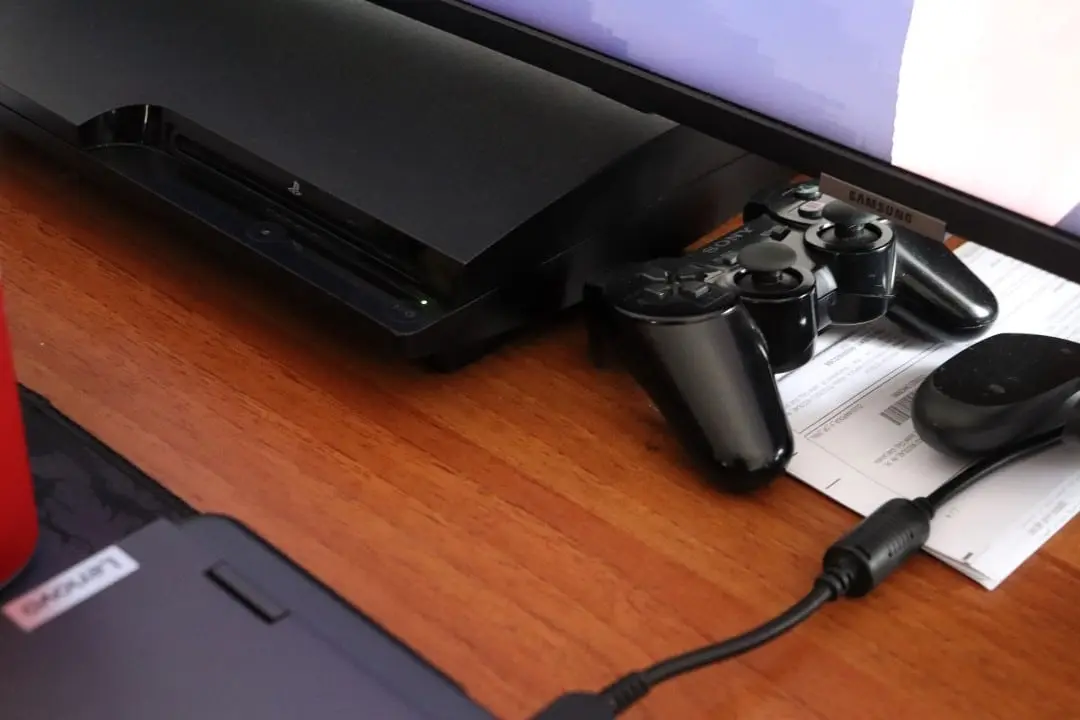
The universe of digital entertainment is experiencing a moment of intense speculation surrounding Sony’s future launch, the long-awaited PlayStation 6. Recent behind-the-scenes information suggests that the Japanese manufacturer plans to adopt a considerably more accessible price list than the market initially projected. This aggressive stance goes against the current trend of more expensive electronic components and indicates a clear attempt to dominate the next generation from day one, guaranteeing a gigantic user base right from the device’s debut.
This strategic move reflects the company’s constant search for a perfect balance between delivering significant technological leaps and keeping the product viable for the average consumer’s pocket. Historically, very high billing tags have served as a severe barrier to the adoption of new platforms. If the Asian giant really manages to position its new hardware at a financially friendly level, the impact will be immediate, forcing competitors to review their own approaches in a global economic scenario marked by inflation.
The logic behind this bold maneuver is based on a classic business model in the sector: accepting minimal profit margins, or even initial losses when manufacturing the machine, to recover capital through the sale of software and monthly subscriptions. In an environment where competition for player attention is fierce, establishing an attractive entry cost has the potential to define the winner of the next decade in the tabletop video game segment.
Financial retrospective shows how Sony built its dominance in the sector
To understand the weight of this possible decision, it is essential to look at the brand’s recent history. In 2013, the PlayStation 4 hit stores costing US$399, a price that destroyed the competition at the time, especially as rival Microsoft charged US$100 more for the Xbox One. Seven years later, the PlayStation 5 debuted with the version with a disc player for US$499 and the exclusively digital edition for US$399, facing a turbulent period of parts shortages and global demand that largely exceeded the production capacity of factories.
Currently, the semiconductor industry is dealing with severe inflationary pressures and a significant increase in the cost of essential raw materials. Faced with this reality, company executives need to formulate innovative tactics to avoid passing on this bill in full to the end public. Additionally, the meteoric rise of gaming computers and the expansion of cloud processing services, heavily driven by the Xbox ecosystem, add an extra layer of urgency for the manufacturer to maintain its compelling ecosystem.
The contemporary panorama demands unprecedented commercial flexibility from technology giants. Business models focused on devices without physical media readers, linked to robust catalogs of on-demand games, are no longer just an alternative but have become the financial foundation that supports the long-term operations of the interactive entertainment division.
Engineering tactics and subsidies that enable cheaper hardware
To materialize the promise of cutting-edge equipment without scaring the consumer, the corporation must intensify the application of the strategy known as platform subsidy. In practice, this means that the sale of the console itself acts only as the gateway, while the real money-making machine lies in microtransactions, the sale of digital titles and, mainly, the annual renewals of the PlayStation Plus service. By ensuring that the device quickly reaches millions of homes, the company ensures a continuous and highly profitable cash flow in subsequent years.
Another fundamental pillar to make the final product cheaper involves aggressive negotiations in the supply chain and the optimization of internal architecture. The long-standing partnership with AMD, which has supplied the custom processors since the 2013 generation, allows Sony to order chips in colossal volumes, guaranteeing substantial discounts. This economy of scale is what makes the inclusion of advanced technologies viable without the assembly cost exceeding acceptable limits for retail.
Refining assembly processes also plays a crucial role in this financial equation. Industrial engineers apply all the knowledge gained from hardware revisions of past generations to design more compact motherboards and efficient heatsink systems right from the launch model, cutting waste on the production line and reducing international transportation logistics expenses.
Leia Também

Messi reaches 19 goals in FIFA World Cups with great free kick for Argentina in clash with Jordan

Cristiano Ronaldo shines beyond the pitch at the 2026 World Cup with business empire and family luxury

At 41, Cristiano Ronaldo reaffirms his historic legacy and prepares to shine in the 2026 World Cup
Repercussion among experts and the level of demand of the gaming community
The circulation of these rumors generated a wave of mixed reactions in the corridors of the technology industry. While some analysts praise the supposed initiative as a masterstroke to stifle competition, more skeptical voices raise valid questions about the technical feasibility of the project. The main question lies in how the manufacturer will be able to deliver the graphical leap expected for a new generation without using low-cost components that could compromise the device’s durability or performance in the long term.
On social networks and forums dedicated to the gaming universe, the atmosphere is one of pure euphoria and intense debate. Enthusiasts dissect each leak of information, weighing the relationship between the estimated raw power and the amount they are willing to pay. This level of organic engagement is great for the brand, but it also creates enormous pressure on the marketing department, who will need to orchestrate official announcements with surgical precision to avoid frustrating a highly engaged fan base.
The psychological factor linked to the timing of price revelation cannot be underestimated by any retail corporation. Presenting a figure that is below the mental ceiling established by consumers generates an immediate positive shock, converting undecided viewers into guaranteed buyers in the pre-sale period and strengthening brand loyalty in an organic way.
Technical challenges to integrate graphic innovations without making the project more expensive
The technical demands for the PlayStation 6 border on monumental, with the public expecting an unquestionable leap in performance. Integrating hardware innovations requires overcoming severe financial barriers, especially in adopting advanced features that define the next generation:
- Dedicated processors capable of handling global illumination and reflections in real time.
- Ultra-fast solid-state storage drives to eliminate waiting screens for good.
- Enhanced artificial intelligence systems to manage the complex behavior of non-playable characters.
The development team’s big dilemma is defining which innovations are absolutely non-negotiable and which can be discarded to protect the profit margin. In addition to the choice of components, the smooth transition from the current to the new ecosystem requires that the architecture is familiar to programming studios, preventing game creation costs from skyrocketing even further during the first few years of the product’s life cycle.
Energy efficiency emerges as one of the greatest assets of modern engineering to make high-performance electronics cheaper. By designing a processor that generates less heat during intense processing, the company eliminates the need for gigantic copper heatsinks and noisy fans, which not only reduces the weight of the case, but directly cuts the costs of materials used in each unit that leaves the factory.
Expanding the digital ecosystem and long-term player retention
The triumph of a contemporary entertainment platform transcends the specifications of its graphics card, vitally depending on the ecosystem that surrounds it. Maintaining a catalog