

The summer solstice has already taken place, marking the arrival of the season in the Northern Hemisphere, an excellent period for those who enjoy observing the night sky. With nights that tend to be longer and clearer, this time of year offers a unique opportunity to admire full moons, meteor showers and the glow of the planets. This year, the astronomical calendar even includes a total solar eclipse, predicted to cross a vast expanse of Europe. The Milky Way, for example, reaches higher positions, promising stunning views over the next three months.
Summer’s First Appearance: June’s ‘Strawberry Moon’
The beginning of summer will be illuminated by the “strawberry moon”, a full moon that will make its appearance on Tuesday, June 30th. The satellite’s most complete phase, known as “Noh”, will occur at 8:57 am Japanese time. Its sunrise is scheduled for 7:33 pm in Tokyo and 7:47 pm in Osaka, aligning with “blue hour,” a time when the sky turns a deep blue hue about 30 minutes after sunset. This full moon will be perceived as a “micromoon”, appearing to be slightly smaller, as it will be close to the “apogee”, the furthest point in its orbit in relation to the Earth, a phenomenon opposite to the “supermoon”.

Best time to observe the spectacle of the Milky Way in summer
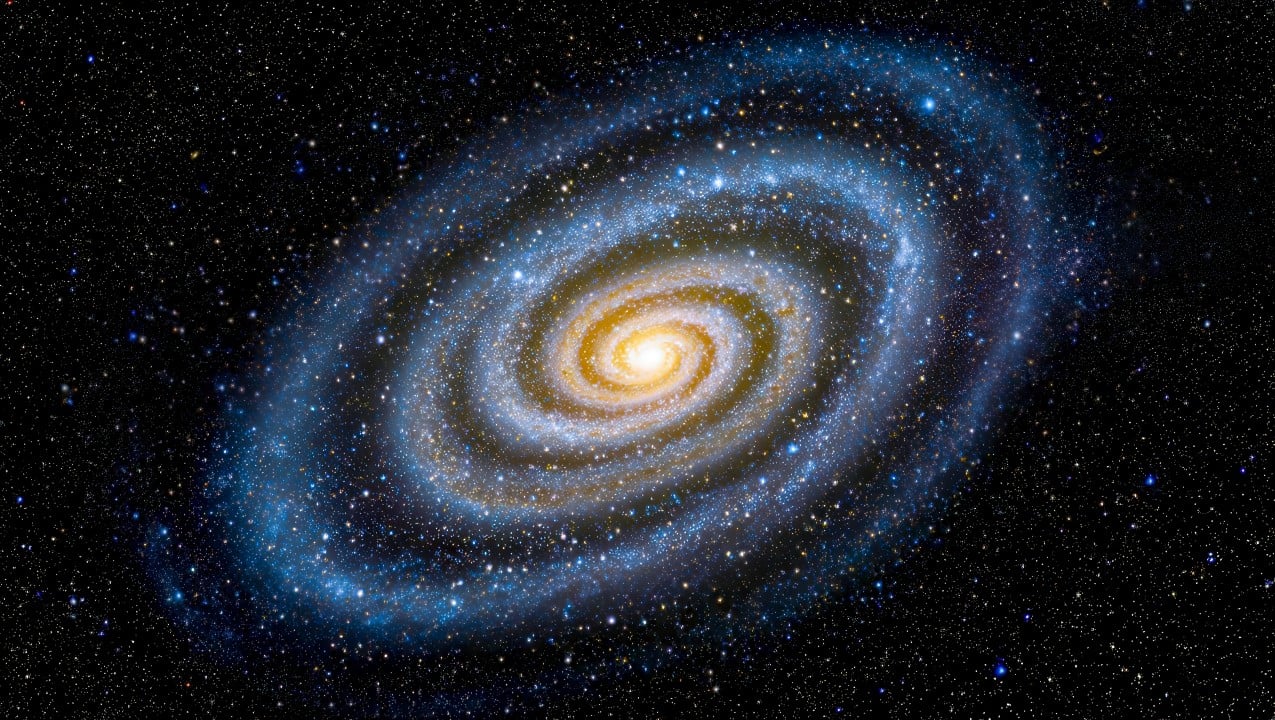
Between the months of June and September, observers in the Northern Hemisphere find the best window to contemplate the grandeur of the Milky Way. The ideal period extends from the week after the last quarter until the new moon, when the darkness of the sky allows a clear view of the galactic center rising on the southeastern horizon. For a complete experience, it is crucial to find a location away from urban lights, where light pollution does not overshadow the stellar beauty.
Arrival of July and the emergence of the ‘deer moon’ in the skies
The July full moon, called the “deer moon” according to the traditional Native American agricultural calendar, will rise on Wednesday, July 29. The name refers to the time when the antlers of young deer are in full growth, a natural cycle that coincides with this lunar phase. This event promises to be a striking mid-summer visual spectacle, especially as the moon rises above the horizon just after dusk.