

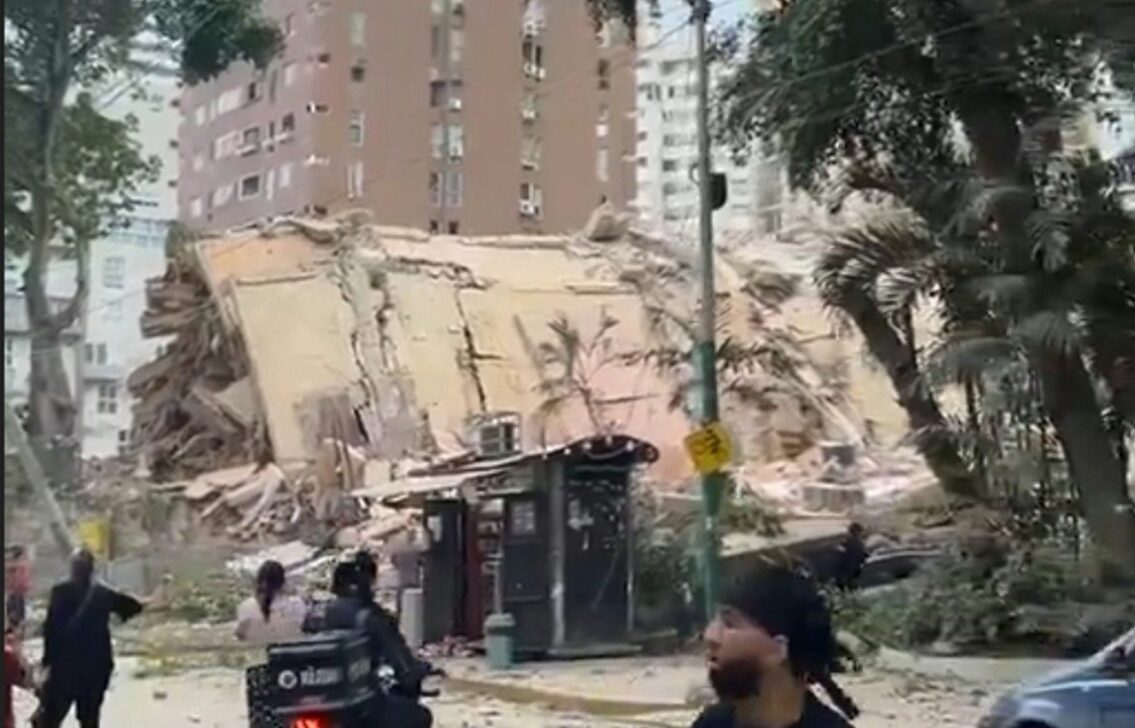
An updated report from Venezuelan authorities indicates that the double earthquake that shook the north of the country last Wednesday (June 27, 2026) caused the deaths of 1,430 people. The tremor also left 3,238 injured, in a scenario of destruction that mobilizes rescue efforts throughout the affected territory. The situation is extremely serious, with entire communities in mourning and searching for answers about their loved ones.
The number of victims and international concern grows
The president of the National Assembly of Venezuela, Jorge Rodríguez, confirmed the new data on the dead and injured. At the same time, the Spanish Ministry of Foreign Affairs reported that six Spanish citizens were among the fatal victims, raising international concern. Furthermore, the folder records 133 missing Spaniards, making the event a topic of strong interest also for the European community.
Challenges and hope in search and rescue operations
Rescue teams face difficult conditions in the affected areas. Although 14 people were found alive under the rubble of collapsed buildings, and an undetermined number have already been rescued, the complexity of the operations is immense. Relatives and residents actively participate in the search, digging through the wreckage in the hope of finding survivors, a scene of deep anguish in several locations.
The race against time to find survivors
The passing of hours makes the situation increasingly dramatic for those still trapped. More than 48 hours after the tremors, the chances of finding people alive decrease significantly, putting pressure on teams to intensify their work. The lack of adequate equipment in some areas makes it even more difficult to remove large volumes of debris, essential to access possible victims.
Global humanitarian aid arrives in Venezuela
The international community quickly responded to Venezuela’s call for help. To date, 17 countries and the United Nations (UN) have sent planes loaded with humanitarian aid. This global mobilization demonstrates the magnitude of the catastrophe and the urgency of support for the victims and for the reconstruction of the affected regions, offering hope in the midst of devastation. Supplies include medicine, food, water and rescue equipment.