Baltimore Orioles face backlash after drag queen criticizes Trump policies at Pride Night
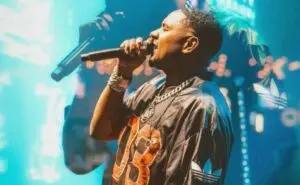
The Baltimore Orioles are facing criticism following their recent Pride Night celebration at Camden Yards, where a drag performer used the platform to criticize the Trump administration’s policies. Heidi N Closet, a participant from Season 12 of “RuPaul’s Drag Race,” served as the celebrity splasher at The Bird Bath, the ballpark’s family-oriented section, and made controversial political statements during an interview with Baltimore Banner Sports. The event, held during the team’s game against the Washington Nationals, featured rainbow-colored branding throughout the historic venue, including on the iconic warehouse wall and behind home plate.
The controversy intensified when the performer addressed questions about the importance of hosting LGBTQ Pride Night events. The comments specifically targeted recent federal policy changes, including rollbacks of diversity, equity and inclusion programs and protections for women’s sports.
Political statements spark debate over sports neutrality
During the interview, Heidi N Closet expressed opposition to the current administration’s approach to LGBTQ matters. The performer praised the Orioles organization for continuing to support Pride Night events, characterizing the decision as standing with the community when other companies have stepped back from similar initiatives. The statements referenced recent changes to federal DEI policies and criticized what was described as companies turning away from the LGBTQ community.
The remarks came despite Major League Baseball itself recently scaling back visible DEI branding and reviewing program language across the league. The changes followed federal government directives affecting diversity initiatives in organizations nationwide. Baseball’s governing body has modified its approach to such programs while maintaining compliance with civil rights laws.
Executive orders reshape sports and workplace policies
The Trump administration has implemented several executive orders affecting both athletics and employment practices. The 2025 executive order titled “Keeping Men Out of Women’s Sports” directs federal agencies to enforce Title IX by defining sex as biological sex, preventing biological males from competing in female sports categories. White House officials have characterized the policy as protecting equal opportunity for women and girls in competitive athletics.
- Federal agencies now enforce Title IX based on biological sex definitions
- DEI initiatives have been scaled back across multiple industries
- Educational institutions face new requirements for athletic participation policies
- Employment hiring practices must prioritize merit over identity factors
The administration argues these policies protect equal opportunity and enforce existing civil rights laws through what officials describe as a colorblind approach. Federal guidance now emphasizes merit-based hiring and promotion decisions rather than considerations based on race or sexual identity.
Leia Também

Voters cast ballots in New Caledonia’s provincial elections, influencing future French status discussions
Iyo Sky claims Queen of the Ring crown and sets SummerSlam championship showdown with Liv Morgan
Michelle Pfeiffer recalls humiliating Grease 2 audition that launched her Hollywood career
Pride Night celebrations continue amid changing landscape
The Orioles’ Pride Night featured extensive rainbow-themed decorations throughout Camden Yards. The team spelled out “PRIDE” on the B&O Warehouse brick wall, the same location that famously displays Cal Ripken Jr.’s consecutive games streak. The iconic Orioles “O” logo appeared in progressive Pride rainbow colors behind home plate. The event also included appearances by furries at the ballpark during Friday night’s game.
The decision to invite a drag performer to The Bird Bath section, traditionally marketed as the most child-friendly and family-oriented area of the stadium, has drawn particular scrutiny. Critics question the appropriateness of mixing political commentary with family entertainment at sporting events. The controversy highlights growing tensions between entertainment, sports franchises, and political positioning in professional athletics.
Baseball organizations navigate cultural divisions
Major League Baseball teams face increasing pressure to balance community engagement with maintaining broad appeal across diverse fan bases. The Orioles join numerous other MLB franchises that host Pride Night events annually, featuring special merchandise, themed decorations, and celebrity guests. However, the political nature of recent commentary has reignited debates about whether sports venues should serve as platforms for advocacy positions.
The situation reflects broader cultural discussions occurring across professional sports regarding the role of teams and athletes in social and political conversations. Organizations must weigh community representation against potential alienation of portions of their audience. The Baltimore franchise’s decision to continue hosting Pride celebrations while other entities reduce similar programming demonstrates the varied approaches teams are taking.
The incident underscores ongoing divisions over policies affecting women’s sports, workplace diversity programs, and the intersection of entertainment with political advocacy. As federal policies continue evolving, sports organizations face decisions about how to navigate these cultural flashpoints while maintaining their core mission of providing athletic competition and family entertainment.