
Samsung’s Galaxy Z Fold 8 Ultra sparks debate about justification for its premium edition
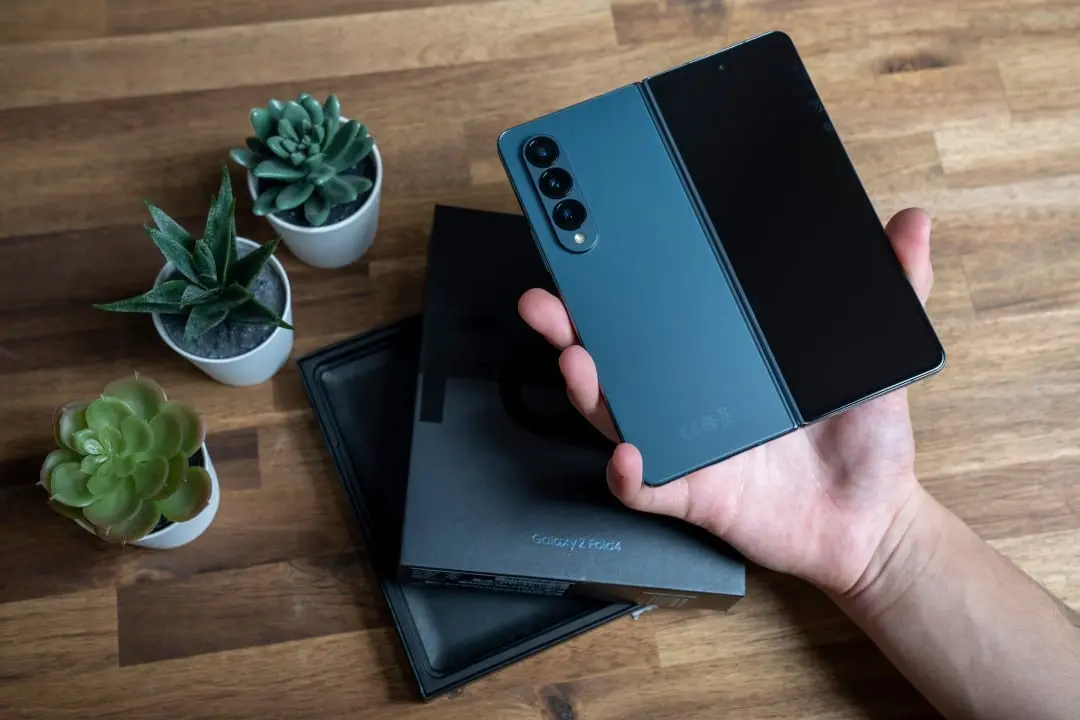
Samsung is preparing to launch its latest innovation in the foldable smartphone market, the Galaxy Z Fold 8 series, which promises to redefine the user experience with flexible technology. The new devices, which include the Galaxy Z Fold 8 and the Galaxy Z Fold 8 Ultra, are already generating great expectations among consumers and experts, driven by leaks and official teasers that reveal design details and features. With this line, the South Korean giant seeks to reinforce its leadership and consolidate itself as a reference in devices that fold.
The announcement of new models, especially the Ultra version, intensifies curiosity about which improvements justify the differentiation and the high price. Screen improvements, durability and performance are focal points, but the real distinction of the Ultra model in relation to the standard is the center of discussions. Understanding Samsung’s innovations and strategies is crucial for anyone who follows the high-end mobile phone segment.
Unveiling the new models and improved design
Samsung has applied careful design updates to the Galaxy Z Fold 8 series, prioritizing both usability and aesthetics to optimize the overall user experience. The Galaxy Z Fold 8 model features a wider internal screen, delivering an enhanced, immersive view. Its more refined shape seeks to improve ergonomics, making handling more comfortable compared to its predecessors.
On the other hand, the Galaxy Z Fold 8 Ultra maintains much of the design language seen on the Galaxy Z Fold 7, receiving small adjustments. These modifications aim to increase the durability and visual appeal of the device. However, the differences between the Ultra and standard versions remain subtle, raising questions about the true need for the “Ultra” label in such a competitive market.
Significant advances in foldable screens and durability
Samsung’s leadership in the foldable display market remains strong with the significant improvements introduced in the Galaxy Z Fold 8 series. The updates address frequent user concerns while improving the overall visual experience. Both models arrive with higher pixel density, which results in sharper images and reduced visibility of the central crease, a common problem in previous versions of foldables.
Additionally, the ultra-thin glass (UTG) has been thickened, increasing the devices’ durability and ability to withstand daily wear and tear. Both internal and external displays now offer higher resolutions, providing more vibrant colors and greater clarity for multimedia consumption and productivity tasks. These advancements not only elevate the visual experience, but also reinforce Samsung’s reputation for innovative display technology.
Power and efficiency: Galaxy Z Fold 8 series performance
The Galaxy Z Fold 8 series comes equipped with robust hardware designed to handle the most demanding tasks, ensuring a fluid experience. Users who rely on their devices for multitasking, gaming, and productivity will find cutting-edge performance.
Qualcomm’s Snapdragon 8 Elite Gen 5 processor powers both models, delivering superior performance and high energy efficiency. Complementing this capacity, the devices have 12 GB of RAM and 256 GB of internal storage, enough space for applications, files and media. A 4,800 mAh battery with support for 45W fast charging promises to reduce downtime. In photographic terms, the series has two 10 MP selfie cameras and a 50 MP main camera with ultra-wide capabilities, capable of capturing high-quality images and videos in various lighting conditions.
Advanced connectivity and future-proof features
Samsung designed the Galaxy Z Fold 8 series with features that align with modern connectivity standards and consumer expectations. This ensures devices remain relevant in an ever-evolving technology landscape.
The devices support several technologies, including 5G, Wi-Fi 7, Bluetooth 6.0, ultra-wideband (UWB), NFC and USB Type-C. This broad compatibility ensures integration with current and emerging technologies. The IP48 water resistance certification provides additional durability, providing users with greater peace of mind in different environments. Additionally, stereo speakers deliver immersive audio quality, and a side-mounted fingerprint reader provides secure and convenient smartphone access.
The Galaxy Z Fold 8 Ultra dilemma: is it worth the extra investment?
One of the most discussed points at the launch of the Galaxy Z Fold 8 series is the real justification for the existence of the Ultra model, especially considering its high price. While Samsung has pushed improvements across the board, the distinctions between the standard Z Fold 8 (also called Wide) and the Ultra version seem incremental. For the consumer, the big question is whether these small differences really justify the additional cost.
To help guide this decision, a comparative analysis of rumors about specifications can be very useful. The differences, although existing, may not be crucial for all usage profiles, requiring careful assessment of individual priorities.
Below is a summary of the main leaked specifications for each model, highlighting areas of divergence:
- Inner Screen:
- External screen:
- Rear camera system:
- Battery:
- Wireless Charging:
- Thickness (unfolded):
- Weight:
- Estimated base price:
* Galaxy Z Fold 8 Wide: 7.6-inch LTPO OLED, 4:3 aspect ratio (squarer), 120Hz, 2600 peak nits.
* Galaxy Z Fold 8 Ultra: 8.0-inch LTPO OLED, taller book-style form factor, rumored significantly higher resolution.
* Galaxy Z Fold 8 Wide: 5.4 inches LTPO OLED (4.7:3 aspect ratio).
* Galaxy Z Fold 8 Ultra: 6.5-inch LTPO OLED.
* Galaxy Z Fold 8 Wide: Dual camera (Main 50 MP f/1.8 with OIS and 50 MP Ultrawide). It does not have a telephoto lens.
* Galaxy Z Fold 8 Ultra: Triple camera (200 MP f/1.7 Main with OIS, 50 MP Ultrawide and 10 MP Telephoto with 3x optical zoom).
* Galaxy Z Fold 8 Wide: Approximately 4,800 mAh.
* Galaxy Z Fold 8 Ultra: Approximately 5,000 mAh.
* Galaxy Z Fold 8 Wide: 15W.
* Galaxy Z Fold 8 Ultra: 25W.
* Galaxy Z Fold 8 Wide: 4.3 mm.
* Galaxy Z Fold 8 Ultra: 4.1mm to 4.5mm.
* Galaxy Z Fold 8 Wide: About 201 grams (focus on light weight).
* Galaxy Z Fold 8 Ultra: About 215 grams.
* Galaxy Z Fold 8 Wide: $1,799 – $1,999.
* Galaxy Z Fold 8 Ultra: $1,999 – $2,100.
This information shows that the Ultra’s biggest distinctions lie in the slightly larger internal screen with higher resolution potential, a more advanced camera system with a 200MP telephoto lens, and a larger capacity battery. The decision to opt for the Ultra version will therefore depend on the importance that the consumer attributes to these specific features and whether the price differential aligns with their expectations of added value.
Official launch and pre-order details
Samsung has scheduled the official launch of the Galaxy Z Fold 8 series for July 26, 2026, with initial availability starting on August 7, both in South Korea and other key markets. The pre-registration period will be shorter than in previous years, which could intensify the race for advantages.
The expectation is that the company will offer attractive bonuses for first-time buyers, as a strategy to encourage sign-ups. These incentives can include storage upgrades or exclusive accessories, making the Galaxy Z Fold 8 series even more inviting for those looking for new features with additional benefits.
The Galaxy Z Fold 8 and its Ultra version represent an important step in the evolution of foldable smartphones, with Samsung reaffirming its commitment to innovation and refinement. Detailed analysis of the specifications and the debate surrounding the value of the Ultra model will be crucial to the success of the line in the global market. The final choice, as always, will be up to the consumer, who will have two high-tech options to consider.