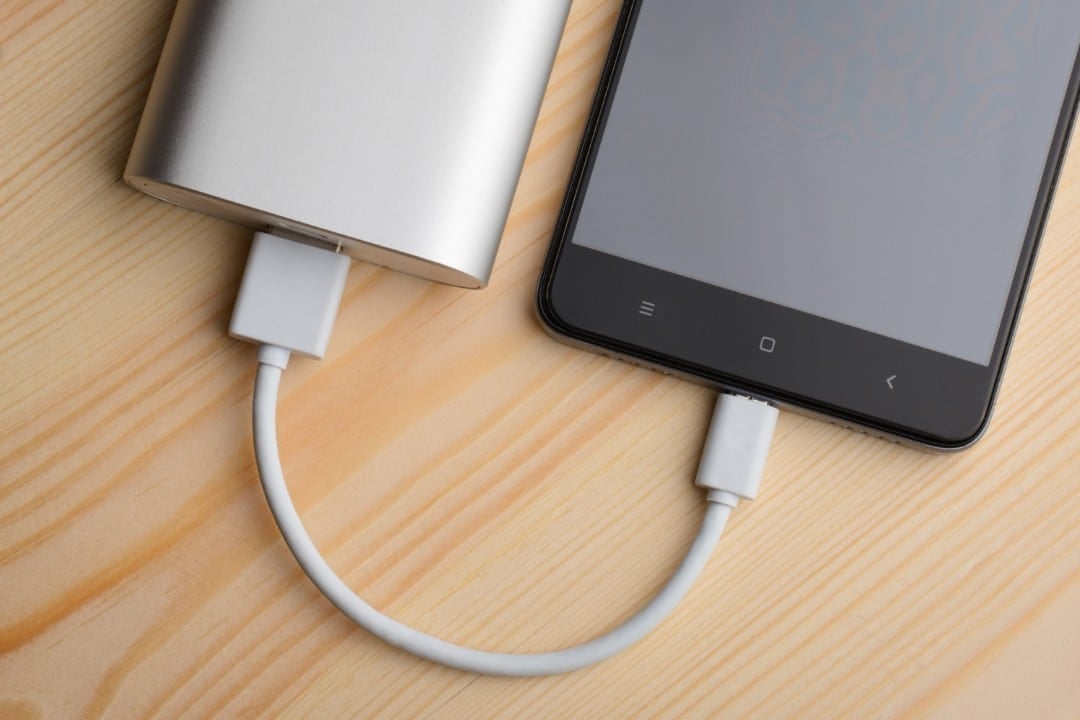
Having your smartphone discharged in the middle of the street has become one of the biggest fears of contemporary digital life. Whether during an intense workday, long trips or event coverage, relying on fixed takes is a thing of the past. The external battery has taken on a leading role in Brazilians’ bags, but choosing the ideal equipment requires a careful analysis of variables such as weight, energy transfer speed and available connections.
Current overview of mobile charging equipment
To facilitate this search, we created a detailed survey of seven portable batteries that dominate the current market, covering different usage profiles. The catalog ranges from pieces focused on cost-benefit, such as the Basike B-078E sold in the R$75 range, to cutting-edge hardware such as the Anker A1664, which costs more than R$420 and delivers a sophisticated finish with cutting-edge technologies.
These accessories provide essential survival for consumers who demand the most from their devices away from home. Considering that modern cell phones in 2026 have average batteries of 5,000 mAh, the selection below was structured based on the real performance reported by buyers on the country’s main e-commerce platforms, ensuring that the promised capacity translates into real recharges.
Discover the Basike B-078E and its proposal for built-in cables for everyday life
Delivering a 20,000 mAh tank and providing up to 22.5 W of power via the USB-A connection, this model attracts those who need abundant energy for a low price. The accessory’s greatest asset is that it has Lightning and USB-C wires already attached to the structure, eliminating the need to carry loose cables. A small light panel tells you exactly how much charge is currently available.
The equipment itself is supplied via a USB-C port with a limit of 18 W, while an internal safety system prevents short circuits and temperature spikes. Weighing 280 grams and measuring 149 x 69 x 19 mm, the product is certified by Anatel and approved for boarding on commercial flights. Found on Mercado Livre for around R$75 and boasting a rating of 4.9, the device wins points for the durability of the connections and the ability to fill a phone’s battery up to five times.
On the other hand, the physical volume of the piece appears as the main complaint in online reviews, as many consumers find the item too heavy to be transported in small compartments.
- Advantages: excellent relationship between price and cargo volume; embedded wires; digital display; approval from the national regulatory agency.
- Disadvantages: heavy structure; slow to restore energy to the tank itself.
i2GO I2GBAT011’s ultra-thin profile makes it easy to carry in tight pockets
Positioning itself as the most compact alternative in this guide, the I2GBAT011 is just 15 millimeters thick and weighs 222 grams on the scale. Its 10,000 mAh storage is distributed over three output paths, two in traditional format and one type C, ensuring the operation of three electronics simultaneously. A smart chip reads the connected device and calibrates the exact amperage to prevent damage.
Power replenishment can be done via micro USB or type C ports, taking approximately five hours at the socket, according to the manufacturer. Built with highly durable cells, the hardware carries international and national security seals. Costing from R$79 on Mercado Livre and with a 4.8 star rating, the item is successful due to its discreet format and the feature that allows you to charge your cell phone while the power bank itself is connected to the wall.
However, criticism focuses on the delay in transferring energy to high-end smartphones, in addition to reports pointing out that the real reserve lasts less than the advertising suggests.
- Advantages: extremely thin chassis; powers three gadgets at once; continuous charging system; security seals.
- Disadvantages: energy transfer considered slow; practical performance lower than the technical data sheet.
Geonav PB20K20WSG bets on universal fast charging protocols
Bearing the seal of a strong company in the national market, this 20,000 mAh block focuses on flexibility of use. The hardware guarantees 20 W in the Power Delivery standard through the type-C input and 18 W via Quick Charge through the conventional outputs, operating with high quality lithium polymer cells that ensure a yield of over 65%. A digital display not only shows the percentage remaining, but also notifies you when turbo mode is activated.
With 312 grams and dimensions of 109 x 68 x 28 mm, the manufacturer projects a useful life of 300 complete cycles, working perfectly in the Apple and Google ecosystems. To fill the accessory’s tank, the user will need to leave it plugged in for around seven hours. Offered at Magazine Luiza for R$152 and rated 4.9, the model is praised for guaranteeing up to six full recharges quickly.
The caveats are due to the heavy weight for those who walk a lot, in addition to occasional cases where the battery swelled after a year of use and failures in reading the light panel.
- Advantages: support for Power Delivery and Quick Charge; accurate informative screen; premium lithium cells; wide compatibility.
- Disadvantages: considerable physical mass; long-term history of swelling; Unstable charge meter on some units.
Basike BA-POW205’s magnetic technology eliminates wire dependency
Designed for fans of minimalism, this equipment combines a 15 W induction base with a type-C wire attached that reaches 22.5 W. Its 10,000 mAh reserve fits in a chassis measuring 103 x 73 x 13 mm, sticking perfectly to the back of iPhones from the twelfth generation onwards, in addition to powering the Galaxy S line and other devices with the Qi standard. The weight of 218 grams makes transport comfortable, while an eight-fold security system shields the circuit.
Sold on Amazon for R$164 and boasting a rating of 4.6, the product pleases those who need energy while walking, thanks to the strong magnetic attachment. The reported negative points involve loss of magnet strength depending on the case used, lack of Lightning connection for old Apple cell phones and premature defects in specific batches.
- Advantages: fast wireless transfer; perfect magnetic alignment; built-in cable; pocket format.
- Disadvantages: magnet strength drops with thick covers; early failures recorded by some customers.
Extreme power of the Hrebos PB-958 suits notebooks and portable consoles
Standing out as the giant of this comparison, this model houses a colossal 30,000 mAh and releases up to 65 W of power, making it the right choice for keeping laptops, tablets and video games like the Steam Deck running. The panel has two input ports and two output ports in standard C, accompanied by a numeric display. Despite supporting robust equipment, the box does not come with any factory cable.
Costing R$242 on Mercado Livre and maintaining an average of 4.8 stars, the accessory impresses buyers by holding up to eight charge cycles on a regular phone and really handling portable computers. The downside is the excessive weight in the backpack and the requirement for a very powerful wall charger to avoid spending a whole day recharging your own power bank.
- Advantages: massive energy storage; enough strength for laptops; multiple simultaneous connections.
- Disadvantages: very heavy equipment; connected to the socket for a long time to recharge the battery.
Robustness and speed define the Anker A1383’s performance on travel
Belonging to the PowerCore family, this hardware focuses on extreme agility for multiple devices. With 20,000 mAh and the capacity to deliver 87 W between its three ports, the manufacturer guarantees that it is possible to fill more than half the battery of a MacBook Air or an iPhone 15 Pro in just half an hour. The main output reaches 65W alone, and the integrated wire has been tested to withstand thousands of twists without breaking.
The block weighs 430 grams and measures 15.75 x 7.35 x 2.6 cm, being permitted in airplane cabins, although the lack of visible amperage marking on the housing can cause headaches in airport security. Sold on Amazon for R$398 with a rating of 4.6, the item receives applause for the impeccable construction typical of the brand and the speed of cargo transfer.
The complaints focus precisely on stress during flight inspections due to the lack of printed specifications, in addition to fluctuations in speed when plugging in older Apple cell phones.
- Advantages: 87 W peak power; highly durable embedded wire; powers computers; cleared to fly.
- Disadvantages: lack of technical data on the housing; uncomfortable weight; instability in old devices; high cost.
Sophistication of the Anker A1664 brings Qi2 certification and advanced thermal control
Top of the line on the list is an ultra-thin 10,000 mAh magnetic accessory that embraces the new Qi2 standard. With just 14.8 millimeters and 199 grams, the device sticks to the back of smartphones