Bowhead whale: CIRBP protein is seen as key to more than 200 years of life and fighting cancer

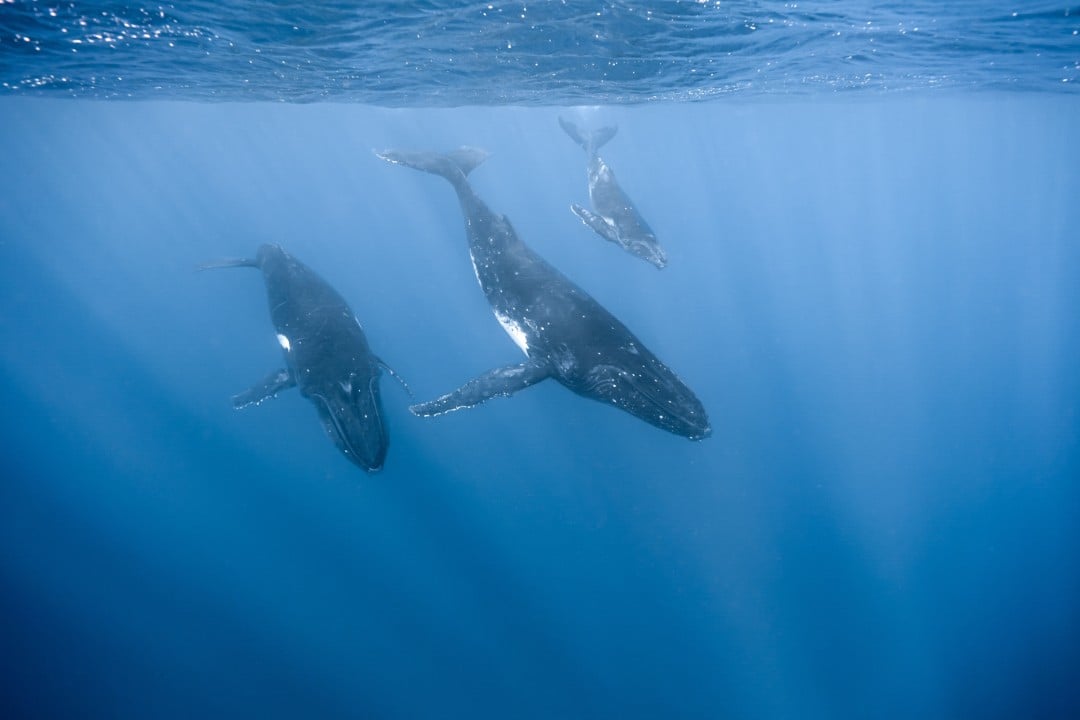
New research, published in the renowned journal Nature, reveals the mechanism behind the extraordinary longevity and surprising cancer resistance of the bowhead whale (Balaena mysticetus). These ocean giants, which can live for more than two centuries, defy known biological laws, and the study points out that their ability to repair their own DNA in an enhanced way is the crucial factor for this unique characteristic. The discovery paves the way for new approaches to treating diseases and studying aging in humans.
A look at the bowhead whale’s resistance to severe disease
The bowhead whale is one of the oldest and most robust mammals on the planet, with records of individuals exceeding 200 years of age. Despite their colossal size and prolonged lifespan, the incidence of cancer among these animals is remarkably low. This incongruity has intrigued scientists for decades, who have sought to understand how a species with such a high number of cells and an extensive life cycle manages to avoid the uncontrolled proliferation of tumors, which is a common risk in larger and longer-lived organisms.
Unraveling the mystery of the “Peto Paradox” in giant mammals
The “Peto Paradox” describes the observation that species with a greater number of cells or a longer lifespan do not necessarily have higher rates of cancer. Elephants, for example, despite being much larger than humans, have a lower incidence of cancer due to extra tumor suppressor genes. However, the bowhead whale does not follow the same strategy as elephants. The new study demonstrated that bowhead whale cells require no more genetic “attacks” (mutations) to become malignant than human cells, contradicting the idea that they have additional layers of protection through tumor suppressor genes.
DNA repair mechanism: the bowhead whale’s unique strategy
The real breakthrough in bowhead whale defense lies in its superior ability to repair DNA damage. Instead of prioritizing the elimination of damaged cells (as happens in many species, including humans, through apoptosis or senescence), the whale focuses on faithfully correcting genetic errors. This “conservative” approach ensures that the integrity of the genome is maintained, preventing the accumulation of mutations that could lead to cancer or accelerate aging.
- Cellular analyzes revealed that:
- Bowhead whale cells exhibit significantly enhanced DNA double-strand break (DSB) repair capacity and fidelity.
- The mutation rate in these cells is notably lower compared to other mammals studied.
- The formation of micronuclei, indicators of chromosomal instability, is reduced after irradiation.
- Non-homologous end joining (NHEJ) repair in the bowhead whale is more accurate.
The CIRBP protein: guardian of genetic integrity and prolonged life
One of the most important findings of the research is the high expression of the protein CIRBP (cold-inducible RNA-binding protein) in bowhead whale cells and tissues. This protein is a crucial factor for the efficient DNA repair observed. CIRBP has been shown to be able to enhance both NHEJ repair and homologous recombination (HR) in human cells, reduce the formation of micronuclei, protect DNA ends, and stimulate end ligation in vitro. The study suggests that CIRBP acts by concentrating repair factors and stabilizing DNA ends.
The high abundance of CIRBP in bowhead whales appears to be an evolutionary adaptation, with differences in its amino acid sequence and greater translation efficiency of the RNA encoding it compared to the human version of the protein. Tests on fruit flies (Drosophila) that had CIRBP overexpressed showed an increase in life expectancy and greater resistance to radiation, confirming the protective role of the protein.
Impacts of research for cancer treatment and human aging
The implications of this discovery transcend marine biology. Previously, it was believed that DNA repair would be difficult or impossible to significantly improve. However, the bowhead whale offers living proof that this notion may be mistaken. This mammal’s evolutionary strategy of enhancing cellular repair rather than eliminating damaged cells presents a new horizon for medicine.
The study suggests that future therapies could be based on increasing the activity or abundance of proteins like CIRBP in humans. This could be crucial for patients with a genetic predisposition to cancer or for aging populations at higher risk of developing the disease. Genome stabilization, through more efficient DNA repair, could become a modifiable risk factor, opening the door to innovative and preventive treatments against cancer and cellular aging.
New horizons in the science of longevity and health
Although the research represents a significant advance, scientists recognize that the road to fully unraveling longevity and cancer resistance is still long. It will be necessary to determine the precise mechanisms by which CIRBP promotes NHEJ and HR, and how these insights can be translated into safe and effective therapeutic strategies for humans. The bowhead whale, with its remarkable capacity for biological self-defense, continues to inspire and guide the search for solutions to some of the greatest challenges in human health.