

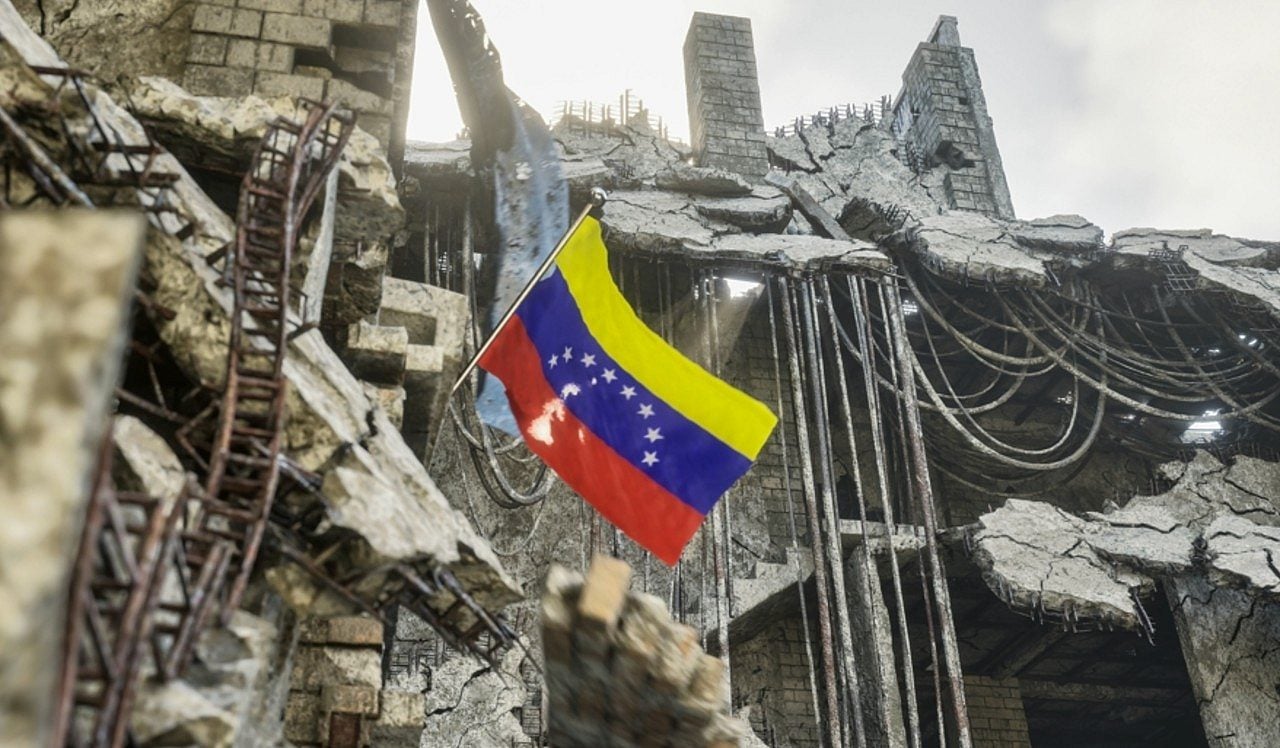
Rescue teams, including volunteers and international rescuers, maintain a tireless search for survivors in Venezuela, which this Monday (29) marks the fifth day since the devastating earthquakes. With a UN estimate of 50,000 people missing and at least 1,450 dead, the hope of finding more lives under the rubble diminishes by the hour, although some miracles still occur amid the scene of destruction.
The dramatic scenario: the race against time to rescue victims
Venezuela was hit last Wednesday (24) by two powerful earthquakes, of magnitudes 7.2 and 7.5, which triggered an unprecedented humanitarian crisis. Coastal cities, especially La Guaira, were the most severely affected, with buildings collapsed and infrastructure compromised. The rescue effort has become a desperate race, involving thousands of professionals and volunteers, who face extreme conditions in search of signs of life.
- The tragedy figures are alarming:
- Confirmed deaths:At least 1,450 lives lost.
- Missing:Around 50 thousand people have not yet been located, according to estimates by the United Nations (UN).
- Affected structures:More than 770 buildings partially or completely collapsed, including homes, businesses and dozens of hospitals, worsening the health crisis.
- Impacted population:Up to 6.8 million of the country’s nearly 30 million inhabitants were directly affected by the tremors.
Crucial window into life: why the first hours are decisive
Natural disaster experts emphasize that the first 48 to 72 hours after a seismic event are the “golden window” for rescuing survivors. During this period, the chances of finding people alive are significantly greater due to factors such as access to air, hydration and the lower incidence of secondary fatal injuries. As time passes, dehydration, exhaustion, and worsening injuries such as crush syndrome make survival increasingly unlikely.
Advancing to the fifth day, the search teams’ task evolves from rescue to, primarily, recovering bodies. The challenge increases exponentially, as the instability of structures, the accumulation of debris and adverse weather conditions require specialized techniques and robust equipment. Hope remains, but every minute drastically reduces the chances of new miraculous discoveries.
Rescue challenges: logistics, heat and frustration in La Guaira
Rescue operations in Venezuela are complex and require exhausting manual work, which has been intensified by the strong heat. Rescuers report that the smell of decomposing bodies becomes increasingly intense, adding a layer of suffering to the already arduous work. Professionals of different nationalities, including a thousand foreign rescuers, joined the Venezuelan efforts, bringing essential experience and resources.
In La Guaira, the state neighboring the capital Caracas and the epicenter of the destruction, the mass arrival of international rescue missions on Sunday was a welcome relief. However, residents expressed frustration and outrage at the government’s initial response, which was reportedly slow and ineffective, leaving initial relief efforts in the hands of civilian volunteers. The area remains blocked from access and requires special permits for entry, in an attempt to organize the response and prevent further looting, which has been reported at pharmacies and supermarkets.
Stories of overcoming and the harsh reality beneath the rubble
On Sunday, a moment of emotion took over La Guaira, when a crowd applauded the rescue of a father and his son. They were pulled from a crack in the concrete by teams from the United States, France and Venezuela, amid applause and tears of relief. The rescue symbolized a breath of hope in the midst of the tragedy, showing the human resilience and dedication of the rescuers.
However, the brutal reality of disaster also manifests itself in difficult decisions. Helen Guedez and her mother experienced a similar drama, trying to save Jesús, her father, trapped in an apartment. Despite confirmation that he was alive, American teams considered the structure too unstable for safe intervention. They did not give up and are now counting on civilian volunteers and local miners to attempt the rescue, demonstrating unwavering determination.
Reconstruction and future risks: the path after the tragedy
The interim president, Delcy Rodríguez, requested the continuation of search operations and announced plans to assist people who lost their homes. Thousands of homes were destroyed or damaged, requiring a massive reconstruction effort and housing assistance. In addition to the immediate challenges of rescue and support, the country remains at risk of further damage.
Aftershocks, such as those of magnitude 4.2 and 4.5 recorded on Sunday morning, persist, keeping the population on alert and making it difficult to stabilize damaged structures. The mobilization of more than 14,000 military and police personnel to patrol La Guaira aims to ensure security and order as the nation deals with the consequences of one of the biggest natural catastrophes in its recent history. The road to recovery will be long and will require a joint and continuous effort.




