
French store launches compact LDLC PC STIM computer to displace Valve’s Steam Machine
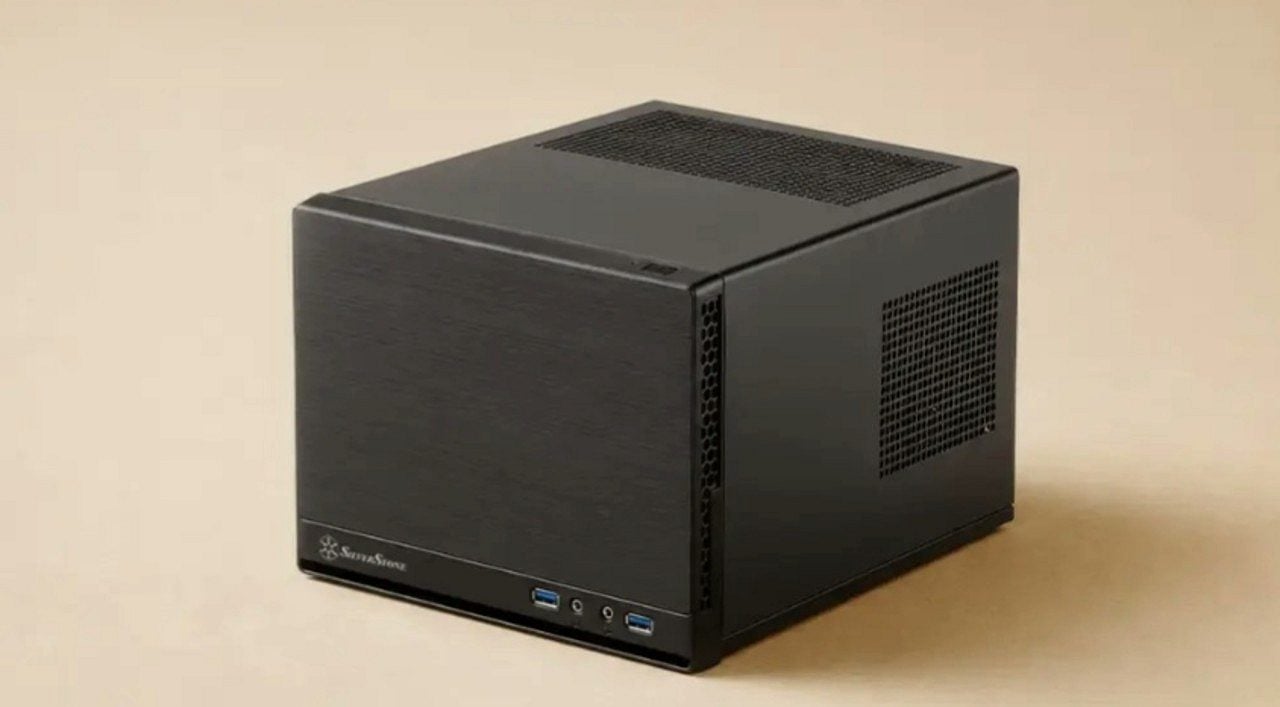
European consumers gained a new strong alternative in the segment of compact gaming computers, going head to head with Valve’s proposal. French retailer LDLC has officially announced the LDLC PC STIM, affectionately nicknamed Stim Machine, a desktop assembled in a small form factor. The equipment arrives with the promise of delivering superior graphical performance to the SteamOS ecosystem, charging an equivalent amount, although it brings some caveats in its physical structure and daily use.
Store marketing strategy focuses on direct comparisons with Valve
To convince the gaming public, the company responsible for the project released a detailed table that places its launch side by side with the Steam store owner’s desktop console. In the advertising piece, the brand uses positive visual markers to highlight the superior specifications of its machine, with the clear objective of capturing the attention of enthusiasts looking for maximum frame rates per second.
The initial investment to purchase the new product starts at 999.99 euros, which represents around R$5,895 in direct conversion, delivered in a do-it-yourself kit format with all the parts loose. If the customer prefers to receive the cabinet fully assembled and tested by the store’s technicians, the price increases to 1,039.99 euros, approximately R$6,130. This price tag for the ready version matches exactly the cost of the 500 GB Steam Machine sold in Europe without the controller, or is slightly below the complete package of 1,108 euros that includes the official joystick. Choosing to assemble the components at home guarantees a modest saving of 4% on the final budget.
Technical specifications feature an AMD processor and state-of-the-art memories
The entire processing base of the new computer was structured with off-the-shelf parts that are easy to find in traditional retailers. The brain of the operation is the AMD Ryzen 5 8400F processor, which delivers six cores and twelve processing threads, mirroring the Zen 4 architecture used in competing hardware. To ensure fluid multitasking, the set features 16 GB of DDR5 standard RAM, leaving the door open for robust upgrades that can reach up to 128 GB in the future.
Primary storage is a fast NVMe SSD with 500 GB of capacity. A major difference in the project is the choice of the motherboard with the B650 chipset, which offers two completely free SATA ports for installing additional hard drives or SSDs, overcoming the limitation of the Valve device that only accepts microSD cards for expansion. All this hardware is housed inside a Mini-ITX case model SilverStone Sugo SG13B-Q, which leaves the factory with native support for Wi-Fi network connections.
The real asset of the French computer lies in its image rendering capacity. While the official SteamOS machine uses a customized graphics chip from AMD based on the RDNA 3 architecture with 28 computing units, the LDLC model relies on a dedicated, state-of-the-art graphics card: the recently launched 8 GB Radeon RX 9060 XT, built under the RDNA 4 architecture. This direct competition in the small format PC market forces the industry to innovate, providing gamers with much stronger options without inflating the price list.
Even though both platforms share the same amount of video memory, the dedicated Radeon RX 9060 XT card guarantees considerably more raw firepower. In practice, this performance leap translates into much higher frame rates when running heavy titles at their original resolutions. In addition to the natural gain due to the generation change, AMD’s new line of cards introduces native support for FSR 4, a scaling technology that uses artificial intelligence to multiply performance without sacrificing visual quality.
Possibility of exchanging parts overcomes the limitations of closed hardware
The longevity of the investment is a crucial factor for PC gamers, and the desktop assembled by LDLC allows the graphics card to be easily replaced for years to come. This freedom of customization is non-existent in the closed ecosystem created by Gabe Newell’s company. On the official console, even a simple attempt to increase RAM memory turns into a technical headache, requiring the risky disassembly of soldered or difficult-to-access components.
On the other hand, all this technical superiority takes a heavy toll on the space occupied on the living room bookshelf. The SilverStone SG13B chassis has an internal volume of 11.5 liters, contrasting sharply with the Steam Machine’s diminutive 3.8 liters. At the tip of the pencil, the French alternative is practically three times as bulky, losing a lot of its charm for those looking for a discreet device to place next to the television.
Thermal challenges and lack of user-friendly operating system keep laypeople away
The case’s small size also raises valid questions about the design’s heat dissipation and acoustics, especially when housing a powerful graphics card like the RX 9060 XT in such a confined space. Specialists in compact assemblies know that the accumulation of hot air in this type of chassis requires fans operating at maximum speed, generating excessive noise. On the other hand, Valve’s original hardware is praised worldwide for maintaining silent operation, even when running today’s most demanding games.
When it comes to user experience, the giant owner of Steam maintains an unquestionable leadership. The official system offers luxuries such as instant suspension and resumption of games, as well as perfect integration with televisions via HDMI CEC. The LDLC computer arrives in the buyer’s hands without Windows installed, forcing the customer to follow a long tutorial on the internet to configure SteamOS on their own, a barrier that will certainly scare consumers who are not computer literate.
Ironically, the emergence of such strong competitors ends up working in favor of the creator of Half-Life itself. By encouraging the installation and popularization of SteamOS on third-party machines, the operating system’s user base grows organically, attracting more customers to the digital games store, which continues to be the true gold mine and the central focus of the company’s business.
Closely following the movement of this niche, Valve’s hardware engineers, Pierre-Loup Griffais and Yazan Aldehayyat, let it slip in recent interviews that the company is already working on the future of the platform. According to the developers, the next iteration of the brand’s desktop console should hit shelves long before we see an official successor to the popular Steam Deck handheld.
Specifications summary of the new LDLC PC STIM compact computer
- Central processor: AMD Ryzen 5 8400F (equipped with 6 cores and 12 threads).
- Graphics processing: AMD Radeon RX 9060 XT (with 8 GB of VRAM and RDNA 4 architecture).
- System memory: 16 GB DDR5 standard (with support for expansion up to 128 GB).
- Internal storage: 500GB NVMe SSD (B650 motherboard with two extra SATA ports available).
- Case: SilverStone Sugo SG13B-Q (Mini-ITX format, taking up 11.5 liters of space).
- Network connections: Factory built-in Wi-Fi card.
- Base software: Shipped without Windows (comes with a step-by-step guide for manual installation of SteamOS).


