
Rarity in psychiatry: five unusual syndromes, such as the condition where patients see themselves dead


While many are aware of common psychiatric disorders such as schizophrenia and bipolar disorder, there are conditions so unique that most psychiatrists may never encounter a single case during their professional career. Psychiatry records some of the rarest and most peculiar syndromes ever identified, challenging our understanding of the human mind.
The distorted perception of identities in Fregoli Syndrome
An uncommon condition is Fregoli syndrome, where the individual holds the belief that different people are actually the same person, just with a change in appearance. Individuals affected by this syndrome often report feeling persecuted by those they believe are in disguise. The disorder is named after Leopoldo Fregoli, a renowned Italian theater actor, known for his impressive ability to quickly transform visually on stage.
Fregoli syndrome usually manifests itself alongside other psychiatric conditions, such as bipolar disorder, schizophrenia and obsessive-compulsive disorder. Furthermore, it can be triggered by brain injuries or the use of the medication levodopa, used to treat Parkinson’s disease.
Although a 2018 review found fewer than 50 global cases documented since its first description, a more recent 2020 study indicated an incidence of 1.1% in post-stroke patients, suggesting that the true number is much higher, but still quite rare. There is currently no definitive cure for Fregoli syndrome, but taking antipsychotic medications can help mitigate symptoms.
The disturbing Cotard Syndrome, where patients believe they are dead
Also known as “walking corpse syndrome”, Cotard syndrome is a condition in which patients experience the illusion that they are dead and that their own existence has ceased. Others may express the belief that parts of their bodies are missing or do not belong to them.
The syndrome got its name from the 19th century French neurologist Jules Cotard, who was the first to describe this particular condition in 1882.
Disorders such as schizophrenia, depression and bipolar disorder are recognized as risk factors for the development of Cotard syndrome. However, the condition has also been documented as a rare side effect of the antiviral drug acyclovir in some patients.
Scientists believe that the origin of the syndrome lies in a disconnection in the brain areas responsible for facial recognition and the association of emotional content with this visual perception.
This rare clinical condition is typically managed with antidepressants, antipsychotics and mood stabilizers, complemented in some cases by electroconvulsive therapy.
When the body moves on its own: Alien Hand Syndrome
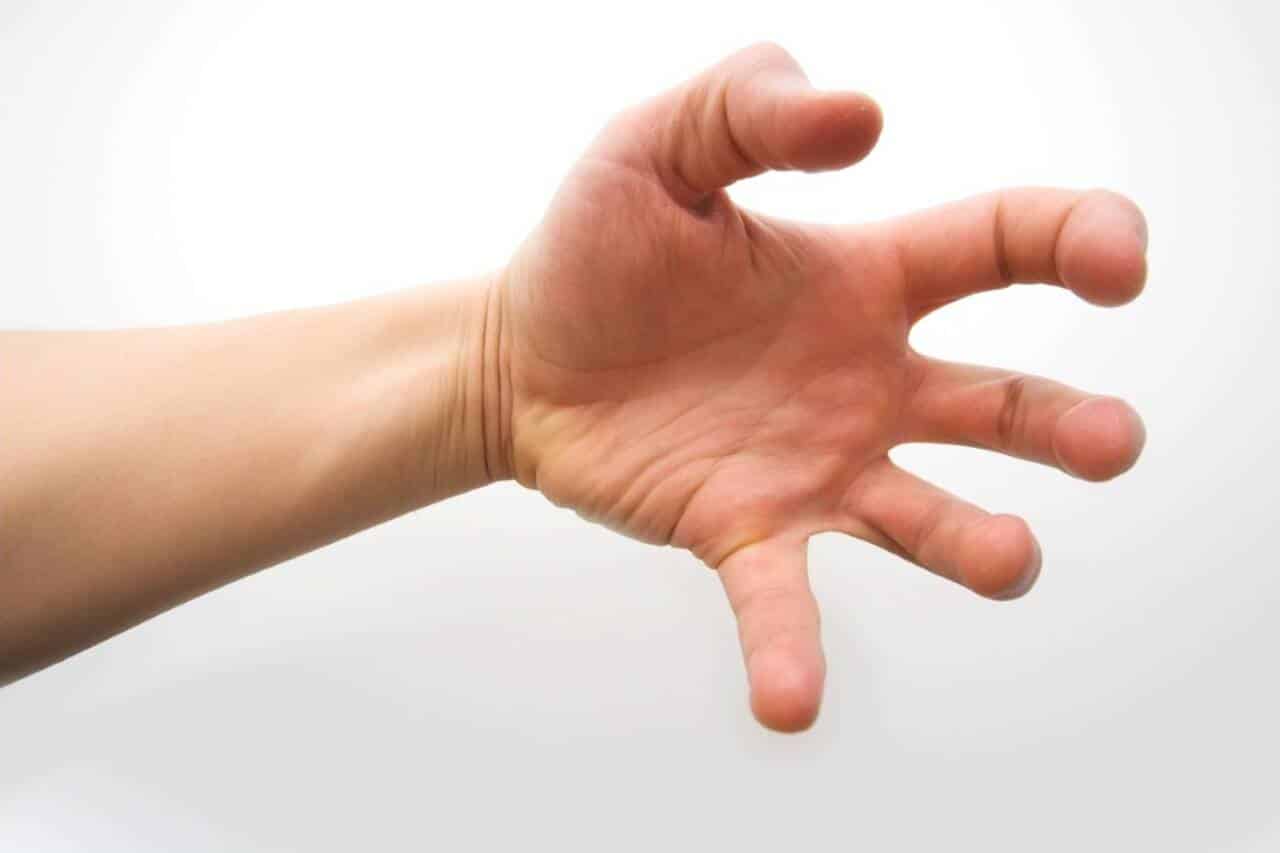
Among the most intriguing neurological diseases is alien hand syndrome, in which one of a person’s hands appears to take on a life of its own, acting independently and causing the patient to feel that the hand does not belong to them.
First identified in 1908, the syndrome was only clearly defined in the early 1970s. The term “alien hand syndrome” was coined by American neurophysiologist Joseph Bogen to describe the curious and erratic movements occasionally observed during recovery from certain brain surgical procedures.
Individuals suffering from alien hand syndrome often exhibit disturbances in sensory processing and a dissociation towards actions performed by their own hand. Research indicates that patients with this syndrome tend to personify the hand, even believing that it is in the possession of a spirit or some form of extraterrestrial life.
Among the causes associated with the syndrome are dementia, cerebrovascular accidents (CVAs), prion disease (a lethal brain disease), tumors and seizures. Cases of alien hand syndrome have also been recorded in patients who have undergone surgery to separate the left and right cerebral hemispheres, a procedure used to treat severe epilepsy.
This is an extremely rare syndrome. A 2013 review was able to identify just 150 cases reported in medical journals.
Although there is no cure for alien hand syndrome, the symptoms can be managed and controlled to some extent by keeping the affected hand busy with some task, such as holding an object. Other therapeutic approaches include botulinum toxin injections and mirror box therapy, which uses optical illusions to “trick” the brain. Patients who had the syndrome after a stroke seem to respond better to treatments.
This therapy uses the reflex to create the illusion of control over the affected limb.
The feeling of parasite infestation in Ekbom Syndrome
Ekbom syndrome manifests as a tactile hallucination where patients believe they are infested with parasites, often perceived as insects crawling under the skin.
The condition is named after Karl Ekbom, a Swedish neurologist who provided the first detailed description of the syndrome in the late 1930s.
The exact number of people affected by this syndrome remains uncertain, but a survey showed around 20 new diagnoses annually in a large reference clinic in the United States.
A meta-analysis of 1,223 cases of Ekbom indicated that the syndrome is more prevalent in women, accounting for two-thirds of cases, and generally affects individuals over the age of 40. Symptoms usually persist for a period of three to four years.
Ekbom syndrome is linked to several conditions, including paranoid schizophrenia, organic brain diseases, neurosis, and paranoid personality disorder. It has also been observed in people experiencing alcohol withdrawal, in cases of cocaine abuse, after strokes, in patients with dementia and in lesions in a region of the brain known as the thalamus.
It is common for patients with Ekbom syndrome to show resistance to psychological treatments, as they are firmly convinced that their problem demands medical and physical intervention, given the nature of their hallucinations.
Perceptual disorders in Alice in Wonderland Syndrome
Also known as Todd syndrome, Alice in Wonderland syndrome is characterized by a distortion in bodily, visual, auditory, tactile and spatio-temporal perception. Individuals with this condition often see objects as smaller than they are, while people appear larger. The opposite can also occur, with objects appearing larger and people appearing smaller. These experiences are often accompanied by feelings of paranoia.
Little information is available about the exact prevalence of this disorder. However, it is more commonly identified in children and people who suffer from migraines.
Patients with this syndrome may experience fear and panic attacks, which means that effective treatment often includes rest and relaxation techniques. In most occurrences, the condition is relatively transient. A recent review of Alice in Wonderland syndrome revealed that approximately half of patients achieve successful treatment.





