
Apple announces new smartphone with transparent back and extended battery on the global market

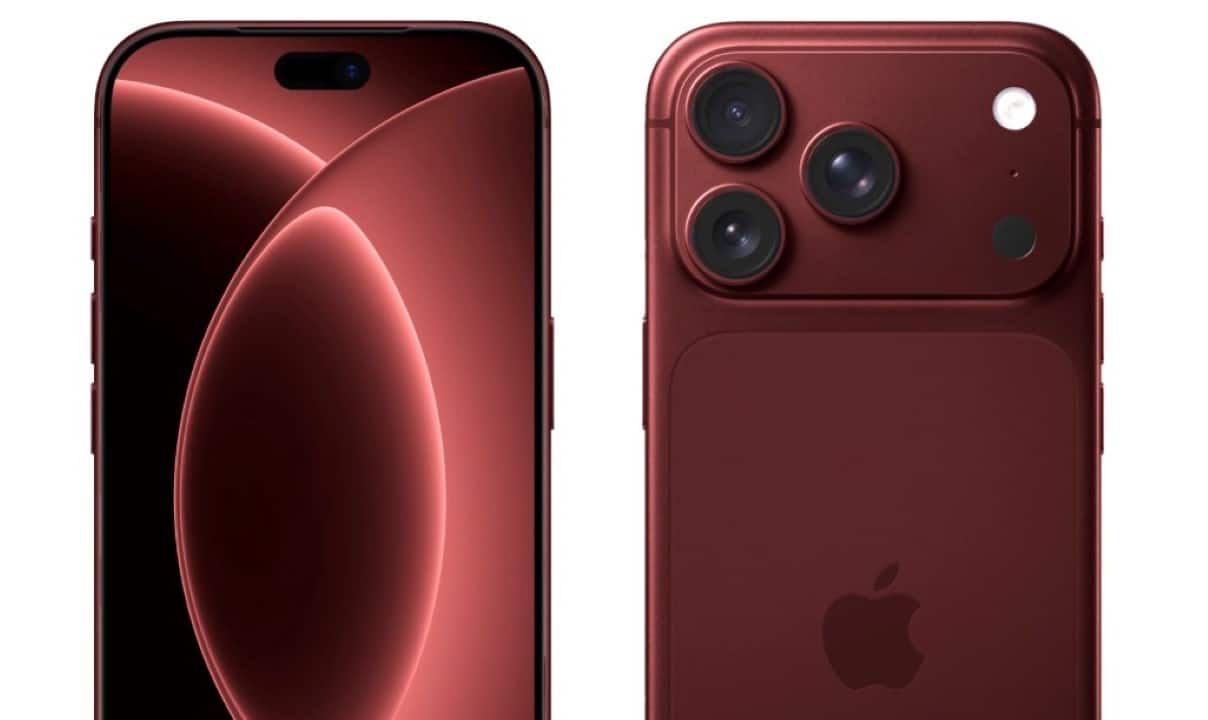
The Cupertino giant defined its new strategy for foreign trade with the announcement of a special edition of its latest mobile device. The manufacturing plant underwent severe adaptations to deliver an unprecedented aesthetic standard, combining a translucent rear panel with a titanium finish, reminiscent of the visual boldness of the classic 1998 iMac G3. The official schedule foresees a simultaneous arrival in dozens of countries. To prevent the leakage of industrial images, the company imposed extreme security protocols during the engineering phase. Manufacturing hubs in North America focused on the development of ultra-high fidelity audio processing technologies. Meanwhile, industrial plants in Asia are already operating in the final stages of assembly, preparing the ground for global distribution through a high-precision logistics network.
Innovations applied to the physical structure and choice of premium materials
The device’s biggest aesthetic difference lies in the rear panel made entirely of crystal clear sapphire glass. Complex engineering decisions allowed the internal circuits to be fully visible, a paradigm shift in the brand’s main telephone line. The logic board has received a unique redesign just below the transparent surface, ensuring a symmetrical and technologically attractive look. The manufacturer applied a special anti-reflective coating to the piece to ensure that the internal structure shines under any lighting condition. Before final approval, prototypes faced rigorous tests in independent laboratories to certify resistance against accidental drops and deep scratches.
The edges of the equipment use aerospace-grade titanium, a metallic alloy famous for combining extreme lightness and very high durability against direct impacts. The metallic coloring comes from an anodic oxidation process, resulting in a matte texture that repels fingerprints and sweat. This reinforced chassis also acts as a passive heat sink, helping to cool the phone during heavy application use. The volume buttons and alert key share exactly the same material, delivering a cohesive and ergonomically superior tactile sensation to the user’s touch.
To accommodate the new visual identity, the cell phone’s internal structure had to be redone from scratch. This architectural change optimizes the space allocated to electronic components, preserving heat exchange efficiency. High-precision robotic arms were installed on the assembly lines specifically to align the rear glass to the titanium rim with zero tolerance. The sealant used to close the device consists of a customized industrial polymer, which guarantees maximum certification against the ingress of water and fine dust.
Advanced thermal management and leap in energy capacity
The interior of the equipment houses a 5,200 mAh energy cell, consolidating itself as the largest battery tank ever implemented by the company in this product category. The physical dimensions of this component required a complete redesign of the printed circuit board. The model underwent simulations in extreme heat environments to confirm the safety of the new lithium-ion battery, which had its density improved using new chemical compounds. This evolution allows for much faster recharge cycles without adding excessive weight to the consumer’s pocket. A unique vapor chamber-based cooling mechanism works together to hold the load for prolonged periods of maximum demand.
Controlling the heat generated by the giant battery and the central processor depends directly on this large vapor chamber installed in the chassis. The cooling system encompasses a considerable area of the motherboard, ensuring that the temperature remains stable during heavy gaming sessions or video rendering. When the phone reaches peak processing, this advanced thermal management prevents a sudden drop in performance, a phenomenon known in hardware engineering as throttling. Internal test reports indicate that the device operates at lower degrees Celsius than previous generations, even after hours of screen time. This efficient dissipation also slows chemical degradation, extending long-term battery life.
Computational power focused on generative artificial intelligence
The brain of the smartphone is a chip manufactured using 2-nanometer lithography, a historic milestone in the evolution of commercial semiconductors. The transition to this tiny node makes it possible to pack billions of additional transistors into the same physical space as before. The processor was specifically designed to run artificial intelligence models natively and highly efficiently. The neural engine cores doubled in number, absurdly accelerating tasks such as simultaneous translation and image editing. The hardware has 12 GB of RAM, an essential volume to support intelligent functions running silently in the background. The operating system was rewritten to allocate these resources dynamically, monitoring the device’s health and usage habits to deliver fluid navigation.
The union of this latest generation silicon with optimized software results in a noticeable jump in speed in everyday tasks. The cell phone can perform several specific functions based on neural networks:
- Instant voice and text translation into dozens of languages without the need for an internet connection.
- Complex photo editing with the ability to generate video frames in very high resolution.
- Smart replies and predictive typing natively integrated into third-party messaging apps.
- Automatic adjustment of system settings based on geographic location and time of day.
The brute force of these computational resources ensures that actions occur in fractions of a second. Machine learning algorithms operate completely locally, shielding the privacy of the owner’s data. A dedicated processing unit accelerates the complex mathematical calculations required by generative AI models. After mapping daily usage patterns, the software builds an encrypted and personalized profile to anticipate the needs of whoever is holding the device.
Expanded display footprint and invisible biometrics
The dimensions of the front panel have grown substantially in this update, jumping from 6.3 inches in the base version to a massive 6.9 inches in the most expensive model. The displays adopt cutting-edge OLED technology, delivering absolute contrast ratios and a peak brightness capable of outshining sunlight in outdoor environments. Ultra-thin edges around the glass create an immersive viewing experience that goes from edge to edge. The industrial design team managed to squeeze the bezels to the physical limit, expanding the touch area without turning the phone into an uncomfortable brick for the hands. The internal cable routing and display connectors needed to be relocated to achieve this clean aesthetic.
The facial recognition and ambient brightness sensors were hidden beneath the pixel matrix, completely eliminating the top cutout of the screen. This maneuver required a very deep integration between the reading hardware and the display’s light emission. Proprietary image processing algorithms work hard to compensate for light loss caused by overlapping glass layers. The system uses an advanced pixel mapping technique to ensure biometrics work with military precision. Reading failures were practically eliminated thanks to the continuous sending of software updates focused on calibrating the invisible sensors.
Professional photographic module and satellite communication
The rear camera block sports three robust lenses and a LiDAR scanner, taking direct aim at the photography and mobile cinema audience. The main lens introduces a variable aperture mechanism, allowing physical control of the amount of light reaching the sensor. The lens glass has been coated with an anti-reflective optical coating that eliminates ghosting and unwanted flare when shooting against the sun. The 2-nanometer chip devours the raw image data, applying computational photography corrections in real time. Video capture has been unlocked to support ultra-high frame rates at cinematic resolutions. Direct processing of sensor data results in superior dynamic range and an almost complete absence of digital noise in dark scenes.
Thinking about borderless connectivity, the hardware supports a gigantic spectrum of satellite communication bands. The new antenna arrangement was designed to retain the network signal even in rural regions with poor operator coverage. The phone can switch between different transmission towers invisibly, ensuring that the call does not drop. Deep integration with satellite networks allows text messages to be sent asking for help when the user is completely outside the cellular coverage area. The new modem lines have undergone exhaustive tests to confirm compatibility with the main telecommunications companies on the planet.
The factory machinery is operating at capacity to meet the projected demand for the first weeks of sales. The conveyors in assembly plants do not stop for even a second to meet production quotas. The logistics network has already started chartering cargo planes to flood global markets with initial batches on the same day. Fully automated inspection systems check the millimeter alignment between the transparent chassis and the titanium frame. Ultra-high-resolution cameras scan each unit that passes through the final line, seeking to detect any microscopic flaws in polishing or metal application before the product goes into the retail box.





