
Details of iPhone 18 Pro and A20 Pro chips leak from Indian supplier, prompting immediate response from Tata Electronics and Apple

A major data breach affecting Apple’s key Indian partner Tata Electronics has been confirmed and now reveals sensitive information. Initial reports indicated a massive volume of data, with hackers reportedly offering more than 630GB, but the specific details of the leaked material remained unclear.
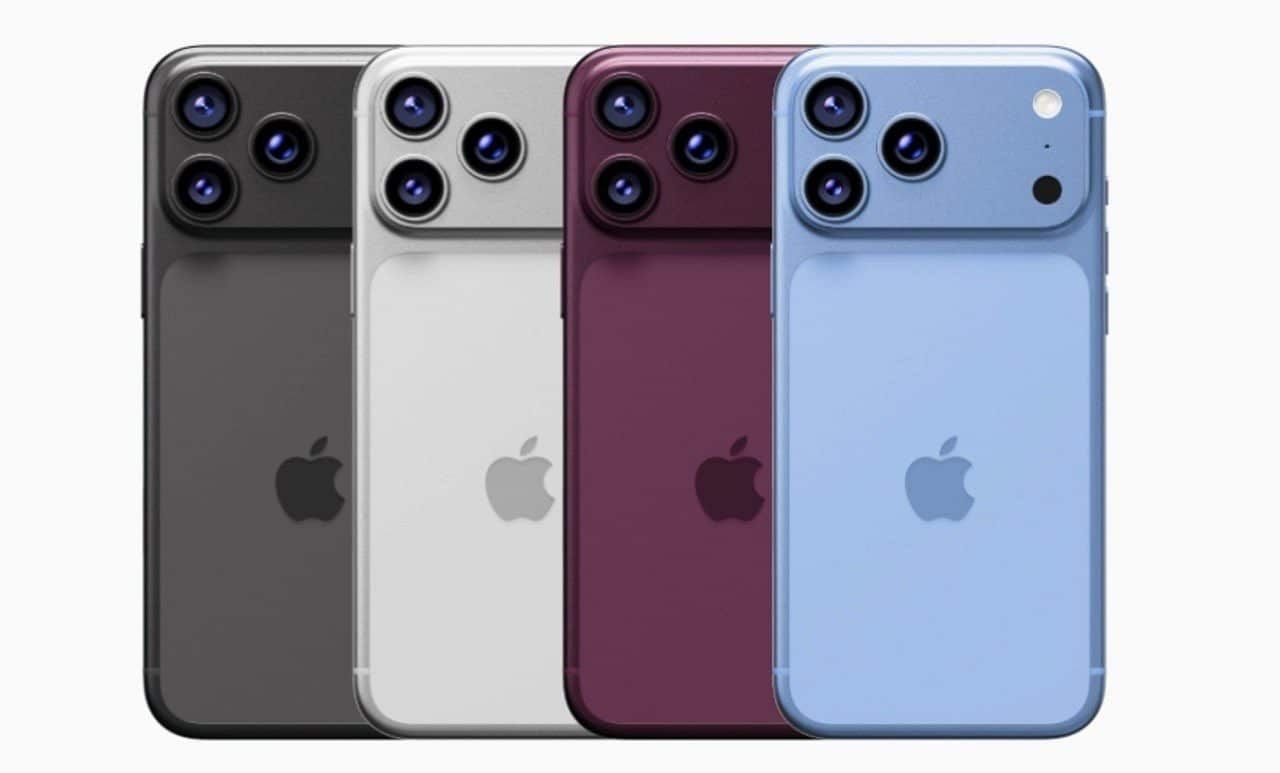
New information details the exact content of this invasion. The compromised files include detailed schematics of the “iPhone 18 Pro” and “iPhone 18 Pro Max” logic boards. In addition, the technical data sheets for Apple processors that have not yet been released, such as the “A20 Pro” and the “C2” modem, were revealed, along with documentation of internal codes for the components of the next iPhones.
The leaked documentation focuses mainly on iPhone models that are rumored to hit the market in September, with a single mention of an “iPhone Ultra”, identified by the codename V68. Information about Apple’s next generation of smartphones corroborates the expectation of an update that approaches the standard, displaying the precise design of its boards from different angles, with the new chips and modems being relevant parts of the unduly exposed content.
Regarding the “A20 Pro” chip, known internally as Borneo, the information released indicates an advance beyond the expected increase in performance. Apple’s new component will feature a dedicated image signal processor (ISP), specialized hardware for converting raw sensor data into high-quality images and videos. The “C2” modem, codenamed Ganymede, is scheduled to be officially launched with the “iPhone 18 Pro” line.
The illegally obtained documents cover several areas, including quality control, hardware testing procedures and “non-UI” builds of the iOS system. There is also data on assembly lines and other internal processes in the production chain. However, more visual materials, such as high-quality images and videos of device drop tests, refer to previous generations of iPhones.
One peculiar aspect of the data revealed is that all listings containing color options for individual components have been censored. This measure likely stems from strict confidentiality agreements — a level of secrecy that Apple typically does not impose even on Foxconn, its main global supply chain partner.
Tata Electronics begins investigation and strengthens security after leak
In response to the incident, Tata Electronics acted promptly, restricting internal access to its most sensitive systems while the investigation progresses. The company also hired an international consultancy specializing in forensic auditing and communicated the incident to the Indian government and its clients, as revealed by an internal source.
After identifying the breach, the Indian supplier intensified its internal security protocols across all its facilities and offices. Remote access to internal tools considered sensitive, such as those used to issue purchase orders, has been severely limited and is now only granted to a select group of employees.
Previously, permission to operate these internal tools was broader, but now it has been drastically reduced to a restricted number of collaborators. These changes cover Tata’s entire operation, not just restricted to some specific factories of the company.
An industry executive added that the new, stricter control measures include stricter regulation for access to Tata’s official network. This is especially true when employees attempt to connect to the corporate network from locations outside the company’s physical facilities.
Apple’s security team is working closely with Tata, providing ongoing support in implementing short- and long-term security measures following the incident. This joint effort aims to mitigate the impacts of the breach and strengthen data protection.





