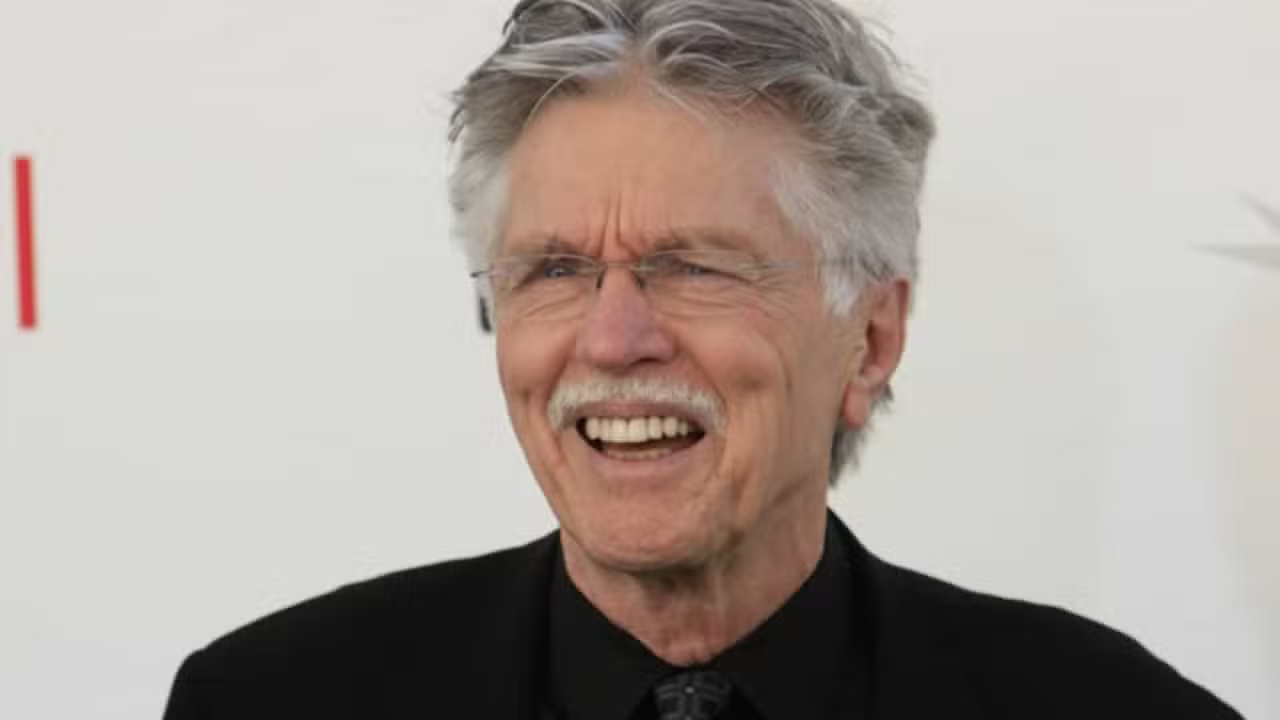
Max Verstappen has expressed concerns about the energy management of Formula 1 cars for the upcoming British Grand Prix. Despite recent changes to mitigate criticism of the system, the three-time Red Bull Racing world champion predicted that battery challenges could resurface heavily this weekend at Silverstone. Discussions over the autonomy of power units have been a crucial point since the start of the 2026 season, with drivers expressing discomfort about the need to focus on recharging during the race.
The Dutch driver shared his experience in the Silverstone simulator, where he noticed very different track dynamics. “I love the Silverstone track, but I did a few laps in the simulator and started laughing,” commented Verstappen, highlighting that the layout with long straights followed by high-speed corners makes it difficult to recover energy. Unlike the Austrian GP, which allows more recharging due to the large braking zones, Silverstone does not offer the same opportunities, making the race potentially more complicated for battery management.
Drivers’ growing concerns and F1’s rules for energy management
In June, the International Automobile Federation (FIA) made it official that the transition in the power distribution of Formula 1 power units will be implemented progressively until 2028. This decision responds to criticism from drivers, who expressed strong opposition to the excessive focus on managing the energy of the electric motor and battery of vehicles under the 2026 regulations.
Currently, the power of F1 cars is distributed approximately 47% by the MGU-K – the electric motor that captures kinetic energy from movement – and 53% by the internal combustion engine (ICE). To maintain optimal performance, drivers must use specific driving techniques to recharge the MGU-K’s battery during the race, adding an extra layer of complexity and concern to driving.
Failure to efficiently manage the battery can result in sudden loss of power at crucial moments in a fight. Em situações mais graves, essa deficiência pode causar uma inesperada redução de velocidade, expondo os pilotos a riscos significativos de acidentes na pista, como o que ocorreu com Oliver Bearman no GP do Japão. A colisão, que aconteceu a mais de 260 km/h, intensificou os apelos dos atletas por ajustes nas normas.
Verstappen reiterated his frustration with the current demands, describing the driving as “less natural” than in previous years. “Half the time you can’t use the gears that would be natural,” he said. He described the scenario as “incredibly complicated” this season, with incidents such as his car stopping unexpectedly as he exited the pits causing him to “count to 10, or actually 100” to remain calm.
It is important to highlight that the Dutch driver was one of the biggest critics of the 2026 regulatory innovations in F1. His dissatisfaction with what he and other competitors considered “artificial” races and disputes went so far as to publicly suggest the possibility of retiring.
Verstappen achieved his second podium of the season, securing second place in the Austrian GP last Sunday. He and the other competitors in the category are preparing for the British GP, with the start of the race scheduled for next Sunday, July 5th, at 11am Brasília time.